

UK Investigators Link Driver's Fatal Level Crossing Crash to Misleading Green Light, Lack of Safety Upgrades
Investigators say unclear instructions, inadequate training and limits on further safety upgrades contributed to the death of Brandon Hatcher at Bax crossing
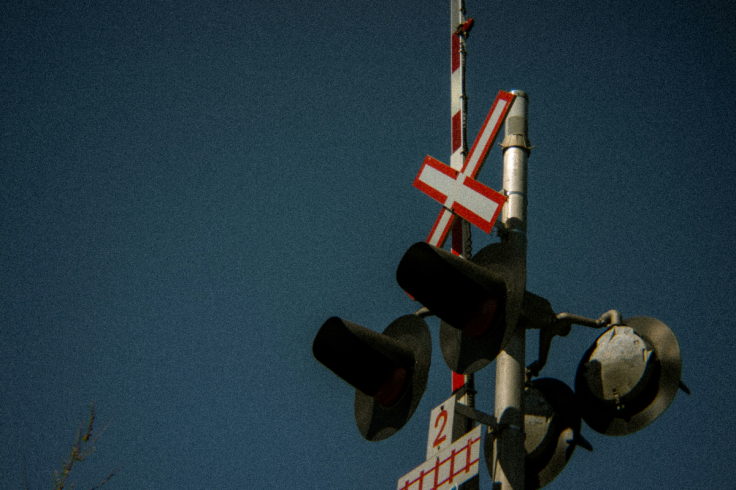
A delivery driver was killed after a green light at a Kent level crossing almost certainly led him to believe it was safe to proceed, investigators have found. The Rail Accident Investigation Branch (RAIB) also identified inadequate instructions and barriers to further safety upgrades as factors in the risks at the crossing.
The RAIB published its findings on 9 November 2026, following a collision on 13 July 2025, when a passenger train struck Brandon Hatcher's stationary van at Bax user-worked crossing near Teynham.
The BBC reported that Hatcher, 23, died at the scene on Lower Road. The train, travelling from Ramsgate to London Victoria, was moving at approximately 71mph (114km/h), according to investigators.
Why the Green Light Was Misleading
Bax is a private, user-worked level crossing with gates on both sides of the railway. Its miniature stop lights show green when no trains are approaching, then change to red and sound an audible warning when a train is detected.
Signs tell users to check that the light is green before opening both gates, before crossing with a vehicle and again before closing both gates. The instructions therefore require users to check the signal at several stages of the crossing procedure.
Investigators concluded that the green signal almost certainly led Hatcher to believe he could enter the crossing after opening the entry gate, even though the exit gate remained closed. The signs and absence of road markings did not guide him effectively through the required procedure.
The investigation also found that a project to introduce new signs at private crossings had not adequately considered how different sources of information could influence users' behaviour. It identified the need for instructions and signals to be considered together, rather than in isolation.
Safety Upgrades and Training Fell Short
The RAIB identified a wider problem with crossing improvements: once Network Rail had installed miniature stop lights, additional safety upgrades became unlikely. Safe operation therefore continued to depend on users understanding and following the signs.
Hatcher was self-employed and working on behalf of logistics company GG Logistix, according to the BBC. Investigators found that the training and guidance provided to him had not prepared him to use the crossing safely.
Separately, the investigation found inconsistent interpretations of who qualified as an 'authorised user' in railway processes for identifying and assessing crossing risks. It explicitly stated that this issue was not linked to the collision.
A 19th Century System Meets Modern Deliveries
Andrew Hall, chief inspector of rail accidents, described private user-worked crossings as 'a 19th century concept operating in a 21st century world.'
He pointed to faster, more frequent trains, increased rural housing and widespread home deliveries. Many motorists, he said, were unfamiliar with these crossings and how to use them safely.
Hall also highlighted the death of another delivery driver at a user-worked crossing in Lancashire in August 2026 and a serious injury to a delivery driver at Frognal Farm, Kent, in October 2017.
Eight years after the Frognal Farm report, Hall urged railway industry duty holders, the domestic delivery industry, regulators and the Government to address the risks before another tragedy. He repeated his predecessor's call for a fresh approach.
Four Recommendations Seek Wider Changes
The RAIB made four recommendations. It asked Network Rail to review user-worked crossing designs to reduce risks to users.
It also recommended that the Department for Transport update the legal framework and road-user guidance for these crossings, in consultation with the Office of Rail and Road and relevant railway industry bodies in Great Britain.
The RAIB further recommended that the Health and Safety Executive review guidance for organisations employing people to drive or ride for work, including those engaging self-employed workers. The fourth recommendation asks Network Rail to review how its staff guidance explains the role of authorised users.
© Copyright IBTimes 2026. All rights reserved.