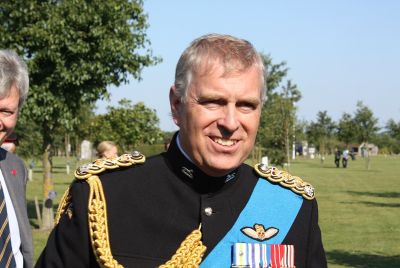
How Was Andrew Treated in Police Custody? Searches At Royal Addresses Following Historic Misconduct Arrest
Andrew Mountbatten-Windsor has been released under investigation after an arrest on suspicion of misconduct in public office, police said.
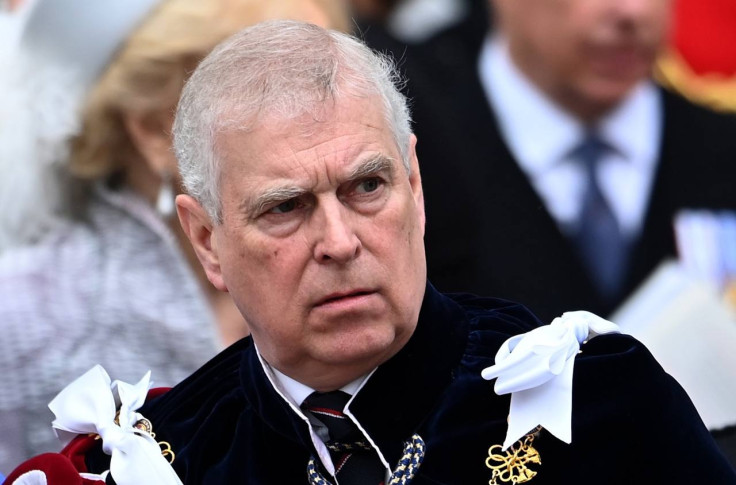
Andrew Mountbatten-Windsor has been arrested on suspicion of misconduct in public office and is being held in police custody while investigators carry out searches at addresses in Berkshire and Norfolk, Thames Valley Police said.
The arrest draws the King directly into a fast-moving criminal investigation involving his brother, while also raising practical questions about how long a suspect can be detained and what conditions they can expect in a police custody suite.
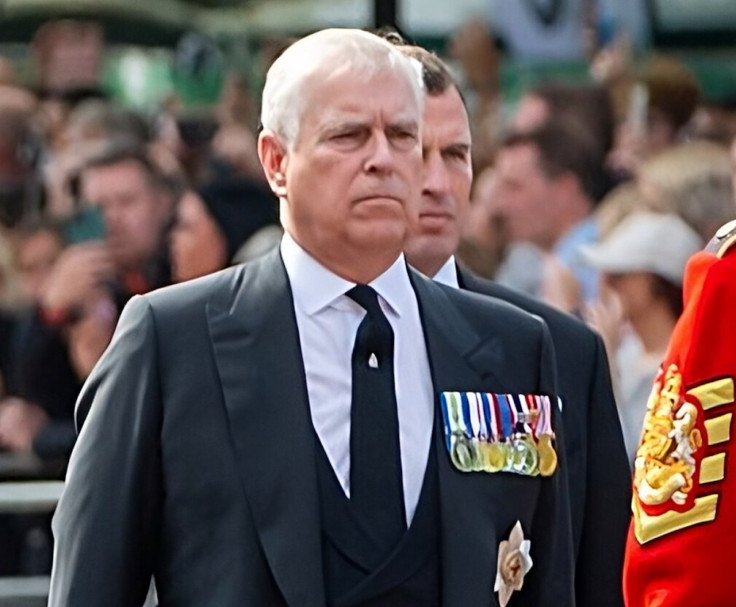
Andrew Mountbatten-Windsor Held As Police Conduct Searches
Thames Valley Police said that 'as part of the investigation' officers arrested 'a man in his sixties from Norfolk' on Thursday 19 February and were 'carrying out searches at addresses in Berkshire and Norfolk.' The force added that the man 'remains in police custody at this time,' and said it would not name the arrested person 'as per national guidance.'
In the same statement, police warned that the case was now 'active' and urged care with publication 'to avoid being in contempt of court.' The Tab reported that Andrew Mountbatten-Windsor was taken into custody at Sandringham in Norfolk and that six police cars were seen around the estate earlier in the day.
It is not yet clear where he is being held, according to The Tab, which said details were still emerging about the custody location as police prepared to interview him. The outlet also noted that Andrew has long denied wrongdoing and that an arrest does not, in itself, amount to a finding of guilt.
Andrew Mountbatten-Windsor Allegedly Faces Up To 96 Hours In Custody
Danny Shaw, described as a policing commentator, told BBC Radio 5 Live that the 'absolute longest' a suspect can be held is 96 hours, but only if multiple extensions are authorised by senior police officers and a Magistrates' Court. Shaw added that, in most cases, suspects are detained for 12 or 24 hours before they are either charged or released pending further investigation.
The Tab reported that Andrew would receive 'no special treatment' while in custody. It said he would be placed in 'a cell in a custody suite' with only 'a bed and a toilet' while he waits to be interviewed.
Police did not set out a timetable for any interview, nor did they indicate when a charging decision might be made. Under the Police and Criminal Evidence Act, detention time limits and extensions are tightly controlled, with suspects either released, charged, or held under further authority where the legal threshold is met.

In a separate development, The Tab reported that the King issued a statement after news of the arrest became public. 'I have learned with the deepest concern the news about Andrew and suspicion of misconduct in public office,' the King said, according to the outlet.
He added that what follows is 'the full, fair and proper process' to be handled by 'the appropriate authorities,' and said they would have full and wholehearted support and co-operation. 'Let me state clearly: the law must take its course,' the statement continued, before the King said it would not be right to comment further while the process continues.
The police statement did not provide further details on the allegation underpinning the investigation. Thames Valley Police said only that the arrest was on suspicion of misconduct in public office and that searches were continuing in Berkshire and Norfolk.
© Copyright IBTimes 2025. All rights reserved.
- Recommended For You