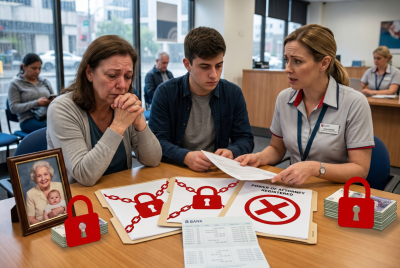
One Simple Retirement Account Mistake Could Turn Your Heirs' Inheritance Into a Financial Nightmare
An outdated or missing beneficiary form can delay inheritances, increase tax burdens, and complicate estate planning


For many people, retirement planning focuses on savings goals, pension contributions and long-term investments. Yet financial advisers and estate lawyers often point to one overlooked detail that can create major problems for families after death.
Failing to name a beneficiary on a retirement account may appear a small detail. However, the consequences can be significant. Missing or outdated beneficiary details can delay access to inherited money, increase tax liabilities and push retirement assets into probate.
Across the US, millions of people hold retirement savings in employer-sponsored plans and individual retirement accounts. Many complete beneficiary paperwork only once and never review it again, even after major life changes such as marriage, divorce or the birth of children.
Why Beneficiary Forms Matter
A beneficiary designation determines who receives the money held in a retirement account after the account holder dies. When the information is current, assets usually transfer directly to the named beneficiary without going through probate. Probate is the legal process used to validate a will, settle debts, and distribute assets from an estate. That process can take several months. In more complex cases, it may take considerably longer.
For families relying on inherited funds to cover immediate expenses, delays can create financial strain during an already difficult period. Probates can also increase costs. Court fees, legal expenses, and administrative charges may reduce the total value eventually passed on to heirs.
Employer Retirement Plans Can Face Delays
The rules surrounding retirement accounts vary depending on the type of plan involved.
For employer-sponsored accounts such as 401(k)s and 403(b)s, beneficiary designations often determine whether the assets transfer smoothly after death. If a valid beneficiary is listed, the account can generally pass directly to that individual. If no beneficiary exists, the funds may instead become part of the estate and enter probate proceedings.
This issue can also affect self-employed workers who hold Solo 401(k)s or similar retirement arrangements. In many retirement plans, beneficiary designations override instructions contained in a will. As a result, outdated paperwork can create unintended outcomes. In some cases, former spouses remain listed as beneficiaries years after a divorce because account holders never updated the documents.
IRA Rules Can Create Tax Complications
Traditional and Roth IRAs present separate challenges when no beneficiary has been named. If an account holder dies without a living beneficiary on file, the IRA custodian usually follows a default beneficiary process outlined in the account agreement. A surviving spouse is commonly first in line, although policies vary between providers.
Some custodians allow children or relatives to inherit automatically. Others transfer the IRA directly into the estate.
Once an IRA becomes part of the estate, the tax treatment can change significantly. Named beneficiaries are generally allowed to withdraw inherited retirement funds over a 10-year period. However, when the IRA passes into the estate, the account may instead fall under a five-year withdrawal rule. This means the funds must be liquidated more quickly, potentially pushing heirs into higher tax brackets and creating larger tax bills. Assets placed within the estate may also become subject to creditor claims. Although most families will not face federal estate taxes due to current exemption thresholds, accelerated withdrawals can still produce unexpected financial liabilities.

Major Life Events Can Leave Accounts Outdated
One of the most common problems is that retirement account paperwork is rarely reviewed after it is first completed. Life events such as marriage, divorce, remarriage, and the birth of children can all change inheritance intentions. Yet many retirement accounts continue carrying outdated beneficiary information for years.
Beneficiary details should be reviewed after major life events and checked regularly to ensure they remain accurate. Updating the information is usually straightforward. Account holders can contact the retirement plan administrator or IRA custodian and request a beneficiary designation form. People may also choose to name:
- a primary beneficiary
- a contingent beneficiary
- multiple beneficiaries for the same account
A contingent beneficiary receives the assets if the primary beneficiary dies before the account holder.
© Copyright IBTimes 2026. All rights reserved.
- Recommended For You