What Is the 70-20-10 Budget Rule? Why This Simple Budgeting Trick Is Gaining Popularity Among Burnt-Out Savers
The budgeting method is gaining traction online for providing a flexible way to balance spending, savings, and debt repayment

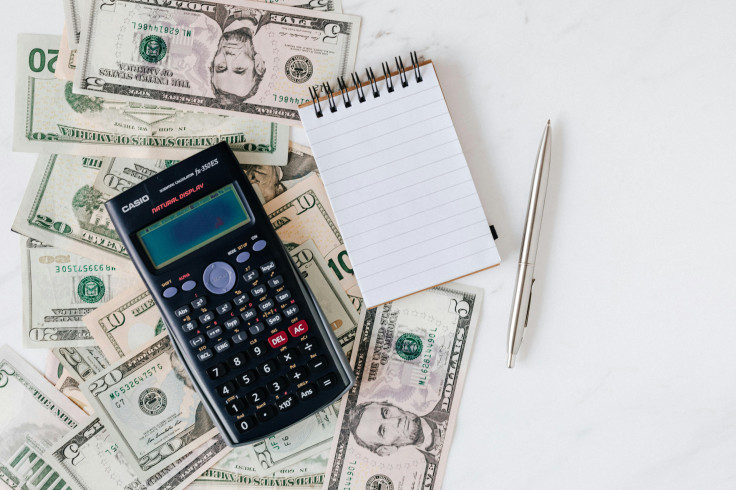
For many people, budgeting begins with good intentions and ends in frustration. Detailed spreadsheets, spending trackers, and strict financial targets can quickly become difficult to maintain, particularly at a time when living costs continue to rise across many parts of the world.
As households search for simpler ways to manage money, one budgeting formula has rapidly gained popularity online. Known as the 70-20-10 budgeting rule, the method divides a person's after-tax income into three broad categories: spending, savings, and debt repayment or financial goals.
Rather than tracking every individual purchase, the system focuses on broader financial habits. For people overwhelmed by complex budgeting plans, that approach appears to be resonating.
What Is the 70-20-10 Budget Rule?
The 70-20-10 budgeting rule divides net income into three sections. Seventy per cent is allocated towards everyday expenses. This includes housing, groceries, transport, utility bills, and discretionary spending. Twenty per cent goes towards savings and investments, such as emergency funds, pensions, or long-term financial planning.
The remaining 10 per cent is directed towards debt repayment, charitable giving, or other financial priorities. The method has attracted attention partly because it removes the need for highly detailed budgeting categories. Instead of monitoring dozens of expenses separately, users organise their finances into larger groups that may feel easier to manage over time.
Jack Howard told Yahoo Finance that the system can serve as a practical starting point for people seeking balance between daily expenses and long-term financial goals. Howard also noted that individual circumstances, including housing costs and regional living expenses, may require adjustments to the percentages.
Why the Method Is Becoming Popular
The growing interest in the 70-20-10 rule reflects broader concerns about financial pressure and budgeting fatigue. Many traditional budgeting systems require users to closely monitor every transaction. While effective for some, that level of detail can become difficult to sustain.
The 70-20-10 model takes a different approach. It prioritises structure without requiring constant tracking. For younger workers and families managing rising costs, the flexibility of the method appears to be part of its attraction. Users can still allocate money towards leisure activities or personal interests while maintaining savings targets and debt repayments.
Financial planners often note that budgeting systems are more effective when they are realistic enough to follow consistently. In that respect, the 70-20-10 method may feel less restrictive than stricter budgeting frameworks.
How People Are Applying It
Implementing the system typically begins with reviewing monthly income and expenses. Users sort spending into three categories: daily expenses, savings and investments, and debt repayment or financial goals. In some cases, this process highlights areas where spending may be higher than expected.
The percentages are not always followed exactly. Someone living in a city with high housing costs, for example, may spend more than 70 per cent on essential expenses alone. Others without significant debt may redirect the 10 per cent category into additional savings or investments.
Automation has also contributed to the method's popularity. Many banks and financial services allow users to schedule automatic savings transfers and recurring debt payments, reducing the risk of missed payments.
How It Differs From the 50-30-20 Rule
The 70-20-10 rule is often compared with another widely used budgeting system known as the 50-30-20 rule. Under that method, 50 per cent of after-tax income is allocated towards needs, 30 per cent towards wants, and 20 per cent towards savings and debt repayment.
The key difference is how spending categories are organised. The 50-30-20 model separates essential and discretionary spending more clearly, while the 70-20-10 system combines most day-to-day expenses into a single category.
For some users, the broader structure of the 70-20-10 rule may feel easier to maintain because it involves fewer spending distinctions. Both methods are designed to encourage intentional spending and reduce reliance on pay-to-pay living.
A Simpler Approach to Budgeting
The popularity of the 70-20-10 budgeting rule highlights a growing demand for financial systems that are easier to sustain in everyday life. Rather than focusing on strict spending limits, the method encourages users to balance current expenses with long-term financial priorities. For many households facing continued economic pressure, the simplicity of the system appears to be part of its appeal.
© Copyright IBTimes 2026. All rights reserved.
- Recommended For You