

Jay-Z Named In Expanding Epstein Files Probe As Lawmakers Weigh Congressional Questioning
Congressional scrutiny intensifies as Jay-Z's name is mentioned in connection with the Epstein investigation.
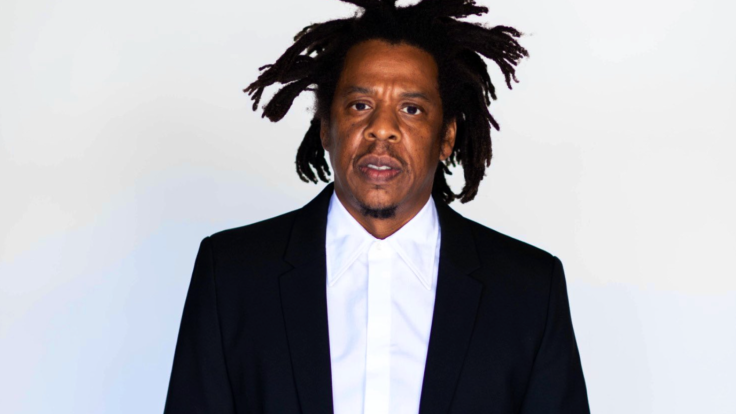
A social media post by a sitting member of Congress has unexpectedly thrust Shawn Carter, known globally as Jay-Z, into the widening political and legal storm surrounding the Jeffrey Epstein files, sharpening a debate that mixes celebrity, congressional power and unresolved questions about accountability. What might once have remained a closed‑door dispute over sealed records has instead spilled into public view, with Carter's name now circulating in the same breath as one of the most notorious criminal cases of the past decade.
On 3 March 2026, Representative Nancy Mace published a statement on X asserting that new material reviewed in connection with the federal Epstein investigation referenced the music mogul by name. The claim, made without accompanying documentary exhibits, has intensified calls on Capitol Hill for further disclosures and potential congressional questioning of high‑profile figures.
Congressional Scrutiny And Political Fallout
Mace's intervention comes amid mounting bipartisan pressure to accelerate the declassification and release of documents connected to Epstein's criminal enterprise. The late financier was arrested on federal sex trafficking charges on 6 July 2019 and died in custody at the Metropolitan Correctional Center in New York on 10 August 2019, according to the criminal docket in United States v Jeffrey Epstein, Case No 19 Cr 490, filed in the United States District Court for the Southern District of New York.
In her 3 March 2026 post, Mace wrote that 'the American people deserve transparency' and signalled that further congressional action could follow if federal agencies fail to provide what she described as complete records. The post did not attach sworn affidavits, transcripts, or exhibits from court proceedings.
Carter has not been charged with any crime related to Epstein, and no publicly filed indictment, superseding indictment, or plea agreement in the SDNY docket names him as a defendant or co‑conspirator. A review of the primary criminal case file, including the July 2019 indictment and subsequent filings before Epstein's death, shows no reference to Carter in the charging instruments.
Still, the political implications are substantial. Senior members of the House Oversight Committee have indicated informally that additional witnesses could be called if documentary evidence supports further lines of inquiry. As of 5 March 2026, no formal subpoena has been issued to Carter.
Mr. Chairman, this is a solid start. The Oversight Committee, however, needs to bring in more individuals to more thoroughly continue the Epstein investigation. Here is my initial list - including your 7 - but not including those already deposed:
— Rep. Nancy Mace (@RepNancyMace) March 4, 2026
Heywood Allen (Woody)
Peter… https://t.co/o6COcsu0ru
The Legal Record And Civil Litigation Trail
The Epstein matter has generated thousands of pages of sealed and unsealed filings, particularly in civil litigation arising from allegations of sex trafficking and abuse. Among the most significant cases is Giuffre v Maxwell, Case No 15 Civ 7433, in the SDNY, which resulted in the unsealing of extensive deposition transcripts and exhibits in January 2024 following judicial review.
The court's unsealing orders, issued by Judge Loretta Preska, released portions of depositions involving associates of Epstein and Ghislaine Maxwell. Maxwell was convicted on 29 December 2021 in United States v Ghislaine Maxwell, Case No 20 Cr 330, on federal sex trafficking and conspiracy charges, according to the SDNY docket.
A detailed examination of the unsealed Giuffre materials does not, as of the latest publicly available batch, identify Carter as a participant in alleged criminal conduct. However, the sheer volume of exhibits, including flight logs, contact books and witness depositions, has fuelled ongoing public and political speculation.
Lawmakers advocating for expanded disclosure argue that references in ancillary documents, including contact lists or scheduling logs, may warrant clarifying testimony even absent criminal allegations. Legal experts note that appearing in a contact book or on a flight manifest is not, in itself, evidence of wrongdoing.
BREAKING: The House Oversight Committee is set to bring Shawn Carter (Jay-Z) in for questioning as part of the expanding Jeffrey Epstein investigation, Nancy Mace proposed names.
— PopPulse (@PoppPulse) March 4, 2026
What could this mean for Jay-Z and Jeffrey Epstein's relationship? pic.twitter.com/aWGpF36KcI
Public Silence From Carter's Camp
Carter, founder of Roc Nation and husband to Beyonce, has not publicly addressed Mace's statement as of 5 March 2026. Roc Nation did not respond to a request for comment sent to its publicly listed press contact.
Carter has previously spoken about systemic injustice within the criminal justice system, including in interviews aired on major US networks and streamed on YouTube. In a 2018 CNN interview discussing prison reform initiatives, he stated that 'we have to have uncomfortable conversations if we want real change'. That interview, available on CNN's verified YouTube channel, did not reference Epstein or any related matter.
The absence of a direct response has not stemmed online speculation. Social media platforms have seen a surge in posts linking Carter's name to unverified claims, underscoring the reputational risks that can arise from high‑profile association with an unresolved investigative record.
Legal analysts caution that the threshold for congressional questioning differs from that required for criminal indictment. Congress may seek testimony for informational purposes, particularly where lawmakers argue that broader institutional failures allowed Epstein's crimes to persist for years.
Transparency Demands And The Road Ahead
Epstein's original federal indictment alleged that he operated a sex trafficking scheme involving underage girls between 2002 and 2005 in New York and Florida. The indictment, filed 2 July 2019, detailed payments to victims and recruitment practices, but it did not charge unnamed co‑conspirators.
Following Epstein's death, prosecutors moved to dismiss the indictment on 29 August 2019, and the court granted the motion. The dismissal order clarified that the government's investigation into potential co‑conspirators remained ongoing.
Maxwell's subsequent conviction demonstrated that federal authorities were prepared to pursue associates where evidence met prosecutorial standards. Her sentencing memorandum and trial transcripts, publicly accessible via the SDNY docket, outline the evidentiary basis for her conviction but do not reference Carter.
The renewed congressional interest reflects broader public frustration over perceived gaps in accountability. Mace's 3 March 2026 post has intensified demands for the Department of Justice and the Federal Bureau of Investigation to clarify whether additional uncharged individuals are under review.
For now, Carter's name exists in the controversy through a political statement rather than a criminal filing. Whether that statement translates into formal congressional action will depend on what, if any, documentary evidence lawmakers choose to place on the public record.
The Epstein files continue to cast a long shadow over public life, and any expansion of the probe into globally recognised figures will test both the evidentiary standards of federal investigators and the political will of Congress to pursue uncomfortable questions wherever they lead.
In a case defined by secrecy, sealed records and shattered lives, transparency remains the most contested prize.
© Copyright IBTimes 2026. All rights reserved.