

Kenny Easley, 66: Undisclosed Cause of Death Prompts Focus on Severe Kidney Ailment From Ibuprofen Large Dose
His 1980s kidney ailment resurfaced online after news of his death broke
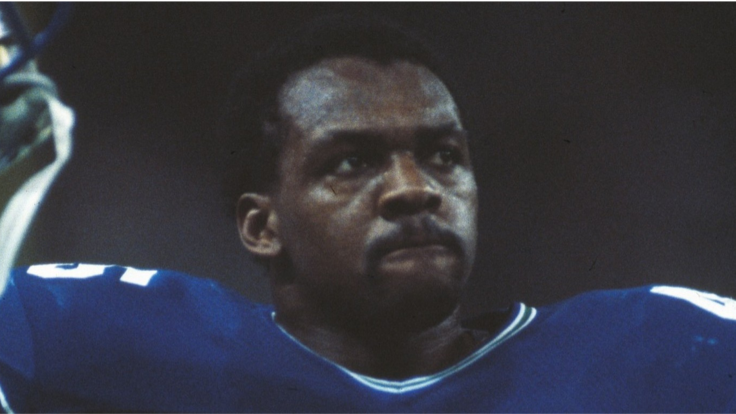
NFL great and Pro Football Hall of Famer Kenny Easley has died at the age of 66, his family confirmed through the Hall of Fame on Friday evening, 14 November, triggering an outpouring of tributes from across American football and renewed discussion around the serious health struggles that cut short his brilliant career.
No official cause of death has been released. However, following the announcement, attention has once again turned to Easley's long-documented kidney condition, which he previously linked to the use of high-dose ibuprofen during his playing days with the Seattle Seahawks.
The resurgence of interest reflects the lasting impact of one of the NFL's most high-profile player health controversies, a case that helped shape later conversations around medical oversight in professional sport.
Seahawks Lead Emotional Tributes
The Seattle Seahawks were among the first organisations to pay tribute, describing Easley as the embodiment of leadership and fearless competition.
'Kenny embodied what it meant to be a Seahawk through his toughness, intensity and fearlessness,' the team said in a statement. 'His intimidating presence and athletic ability made him one of the greatest players of all time.'
The Pro Football Hall of Fame also honoured Easley, praising his "rare intensity" and dominance at safety. Hall president Jim Porter said: 'Kenny Easley would have been a dominant safety in any era. If you carried the ball anywhere near him, you paid the price.'
Seattle updated the avatar on its official X account to display Easley's name alongside his iconic No. 45 jersey, which had been retired during his 2017 Hall of Fame induction.
Kidney Illness Casts Long Shadow
Easley's medical ordeal remains one of the most talked-about episodes in NFL history. His career abruptly ended after the 1987 season, when he was diagnosed with severe kidney disease at the age of just 28.
The former safety alleged that sustained high intake of ibuprofen, administered while playing for the Seahawks, contributed to the damage. In 1989, he filed a lawsuit claiming his team failed to properly warn him of the risks associated with prolonged use of the medication and allowed him to continue playing without fully informing him of his condition.
The case was eventually settled out of court, though no admission of wrongdoing was made.
While there is no indication that Easley's historic kidney problems were related to his death, the renewed public interest following his passing underlines how his experience became a reference point in athlete welfare debates.
His story has frequently been cited when discussing medical transparency, pain management, and player protection at a time when the NFL had fewer safeguards than those imposed today.
A Career Defined by Power and Precision
Selected fourth overall by the Seahawks in the 1981 NFL Draft following an outstanding collegiate career at UCLA, Easley made an immediate impact in the professional ranks.
Nicknamed 'The Enforcer', he transformed the role of strong safety with a combination of hard-hitting physicality and elite ball skills. Over seven seasons, he recorded 32 interceptions, including a league-leading 10 picks during the 1984 season, which saw him named AFC Defensive Player of the Year.
Easley earned five Pro Bowl selections and three First-Team All-Pro honours, cementing his status as one of the era's premier defensive players. He was also named to the NFL 1980s All-Decade Team, recognition of his sustained dominance.
Despite his shortened career, his on-field impact led to his induction into the Pro Football Hall of Fame in 2017, more than three decades after his premature retirement.
Reconciliation and Lasting Legacy
Relations between Easley and the Seahawks improved after former owner Paul Allen facilitated reconciliation in 2002. That same year, the team inducted him into its Ring of Honor. During the most recent offseason, Seattle again honoured him by naming him among the 50 greatest players in franchise history.
Easley often spoke of faith and resilience in later years, becoming a respected figure beyond football circles for his perseverance following medical hardship.
He is survived by his wife Gail and children Kendrick, Gabrielle and Giordanna.
While his extraordinary career ended too soon, Kenny Easley's presence on and off the field remains indelible. In death, he is being remembered not only as one of the game's fiercest defensive stars, but as a central figure in the ongoing conversation around player safety and medical accountability in professional sport.
© Copyright IBTimes 2026. All rights reserved.