

Leonid Meteor Shower 2026: When and Where to Watch the Peak Pre-Dawn Viewing Hours After Moonset
The best chance of seeing shooting stars comes after midnight and before dawn, once the Moon has set and skies are dark
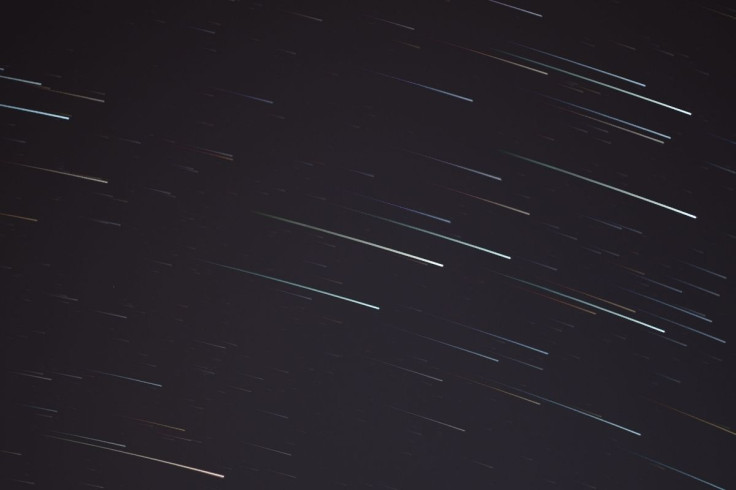
The Leonid meteor shower is reaching its annual peak on 17 and 18 November 2026, offering skywatchers across the UK, United States and other regions an opportunity to see shooting stars before sunrise.
NASA recommends watching during the early morning hours after the Moon sets, when darker skies improve visibility. Under ideal conditions, observers could see approximately 15 meteors per hour, although actual sightings may be considerably fewer.
When Is the Best Time to Watch the Leonids?
The strongest viewing opportunities fall overnight from 17 into 18 November, with the hours between midnight and dawn generally offering favourable conditions.
In the UK, observers should look to the sky after midnight GMT, especially in the hours before sunrise. Across the United States, the same midnight-to-dawn guidance applies in each local time zone, provided skies remain clear.
The Moon reaches its first-quarter phase on 17 November, meaning moonlight could initially obscure fainter meteors. However, its setting around midnight in many locations should leave darker skies during the most promising viewing period.
Exact moonset times vary geographically, making local astronomical forecasts useful when planning an observation session. Although the predicted maximum occurs around these dates, the shower remains active beyond its peak.
Where Can You See the Leonid Meteor Shower?
The Leonids are visible from both the Northern and Southern Hemispheres, although viewing conditions differ depending on location.
The meteors appear to originate from Leo, the constellation that gives the shower its name. However, NASA advises observers not to concentrate exclusively on Leo because meteors can streak across different parts of the sky.
Instead, viewers should choose an open location away from streetlights and buildings, allowing a wide view overhead.
NASA recommends lying comfortably with feet facing east and allowing approximately 30 minutes for eyesight to adjust to darkness. Telescopes and binoculars are unnecessary because they restrict the field of view needed to spot passing meteors.
Cloud cover, artificial lighting, and the height of Leo above the horizon can all influence the number visible.
How Many Shooting Stars Could Appear?
NASA's November skywatching forecast suggests the Leonids could produce around 15 meteors per hour under ideal conditions.
However, its dedicated meteor shower guidance provides a more conservative expectation of fewer than three visible meteors per hour under dark skies. These figures should not be interpreted as guaranteed sightings.
The Leonids originate from debris released by Comet 55P/Tempel-Tuttle, which completes an orbit around the Sun approximately every 33 years. As Earth encounters this material, particles enter the atmosphere at tremendous speeds, producing brief streaks of light.
The meteors travel at approximately 71 kilometres per second and can occasionally produce bright, colourful fireballs. Although the Leonids have historically generated spectacular meteor storms, no comparable outburst is predicted for 2026.
For anyone hoping to catch the display, the practical advice remains straightforward: wait until after moonset, find dark skies and watch patiently before dawn. Observers who miss the peak may still spot occasional Leonid meteors on subsequent nights, although activity generally declines.
Checking local weather forecasts and moonset times beforehand can help identify the clearest, darkest viewing window without requiring any specialised astronomical equipment.
© Copyright IBTimes 2026. All rights reserved.