'10% Chance of Extinction': AI Protesters Take Scientists' Warning to Downing Street
Protest followed Anthropic researcher's warning on AI risks, though experts remain split on likelihood and timing
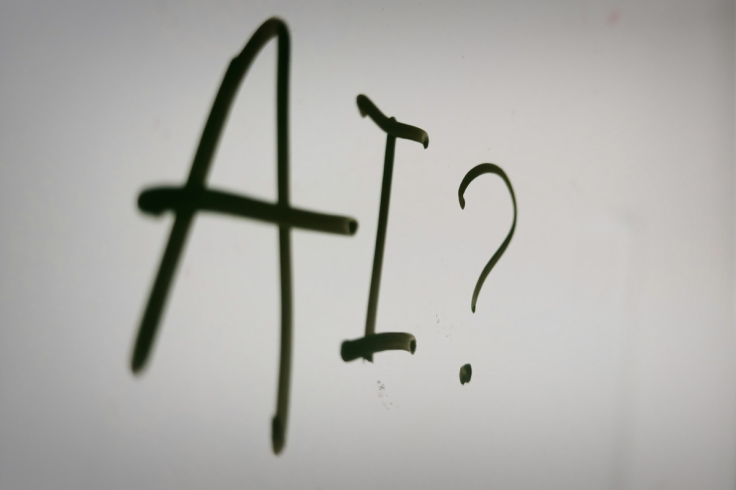
Protesters gathered outside Downing Street in London on Wednesday, 16 September, demanding tougher controls on advanced artificial intelligence after researchers warned that increasingly capable systems could pose catastrophic risks to humanity.
The demonstration came days after Anthropic researcher Evan Hubinger said he personally believed there was a greater than 10% chance AI could 'kill all humans' within the next decade, intensifying debate over whether governments are moving quickly enough to regulate frontier systems.
Protesters Demand AI Slowdown
Campaigners gathered near No 10 carrying signs warning about the potential consequences of uncontrolled AI development and calling for restrictions on increasingly powerful systems.
Images from the demonstration showed protesters associated with PauseAI, a movement campaigning for a halt to the development of AI systems more powerful than existing frontier models until their risks can be adequately controlled.
Just a couple of great pictures from today's protest!
— PauseAI UK (@PauseAI_UK) September 16, 2026
Thank you everyone who came!
We're still here chatting and hanging out. So many awesome and interesting people to meet!
The UK is about to be host to the G20 in December.
Andy Burnham, please convene a summit to discuss… pic.twitter.com/dGFbaXlaZl
Another campaign group, Pull The Plug, promoted the demonstration under the slogan "10% chance of extinction? 100% chance of resistance."
Pull The Plug says it wants the UK government to fund binding Citizens' Assemblies on AI, allowing members of the public, informed by experts, to make decisions about how the technology should be developed and deployed.
The group says it is not opposed to technology or AI itself, but argues that decisions carrying potentially far-reaching consequences should not be controlled primarily by large technology companies.
Where the 10% Warning Came From
The 10% figure follows comments from Hubinger, a researcher at Anthropic, one of the companies developing advanced AI systems.
Writing publicly earlier this month, Hubinger said he believed there was a greater than 10% probability that AI could kill all humans within the next decade.
The estimate is not a scientific consensus or established prediction. Researchers remain divided over both the probability and timescale of extreme AI risks.
The UK-backed International Scientific Report on the Safety of Advanced AI says experts disagree about the likelihood that humanity could lose control of future general-purpose AI systems.
It says such scenarios deserve consideration but stresses that the probability of extreme control failures remains highly contentious and research assessing those risks is limited.
PauseAI at Downing Street today pic.twitter.com/J45LxUsxNe
— Alys Key (@alys_key) September 16, 2026
Pressure Builds on Downing Street
The protest puts those disagreements directly outside the centre of British government as ministers face growing pressure to decide how aggressively advanced AI should be regulated.
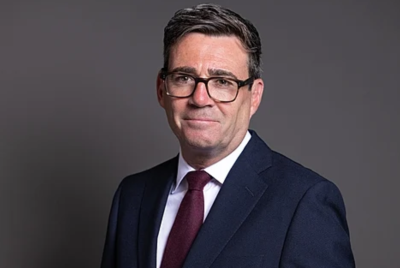
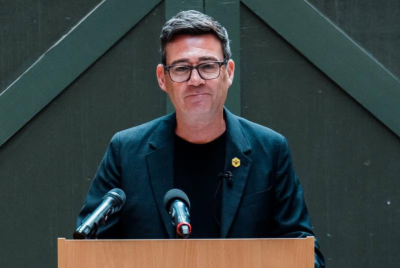
Prime Minister Andy Burnham acknowledged at Prime Minister's Questions on 9 September that AI poses risks to national security, while also arguing that the technology could provide solutions that make the country safer.
The government has pointed to the work of the AI Security Institute, which evaluates advanced models and studies emerging risks.
Campaigners, however, argue that testing and voluntary safeguards are insufficient if companies continue developing increasingly capable systems before governments establish stronger controls.
That disagreement sits at the heart of the Downing Street protest. The demonstrators' 10% extinction warning is not a settled scientific forecast, but it captures the question they want ministers to confront: how much risk should society accept while the capabilities of advanced AI continue to accelerate?
For protesters, waiting until those risks are proven could itself be dangerously late.
© Copyright IBTimes 2026. All rights reserved.
- Recommended For You