Why Are MAGA Republicans Turning on Donald Trump Over Iran?
Republican divisions emerge as Trump nears Iran deal, sparking debate over US foreign policy.

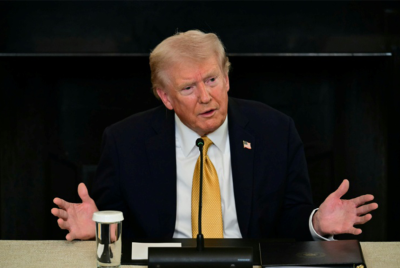
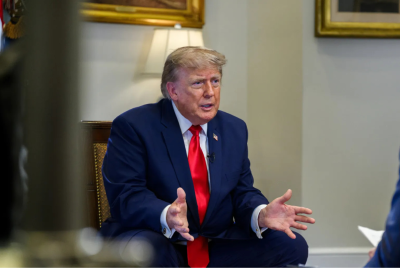
Donald Trump is facing pushback from within his own political coalition over emerging Iran negotiations, as he says a deal is close and some Republican allies question the direction of the talks. Reuters reported that Trump described the framework as 'largely negotiated,' while AP reported the emerging agreement would end the war, reopen the Strait of Hormuz and require Iran to give up its stockpile of highly enriched uranium within a later 60-day window.
Mississippi Republican Senator Roger Wicker said Trump should 'finish the job,' arguing that any agreement leaving Iran room to regroup would risk reversing military gains already made in the conflict.
We are at a moment that will define President Trump’s legacy.
— Senator Roger Wicker (@SenatorWicker) May 22, 2026
His instincts have been to finish the job he started in Iran, but he is being ill advised to pursue a deal that would not be worth the paper it is written on. Our commander-in-chief needs to allow America's skilled…
Wicker's comments reflect divisions among Republican lawmakers and Trump-aligned voices over the shape of US policy toward Iran. Some Republican hardliners are calling for continued pressure, while others within the broader political coalition support efforts to end the conflict through negotiation.
South Carolina Senator Lindsey Graham backed a tougher position, warning that Iran's ability to threaten the Strait of Hormuz or Gulf oil infrastructure would significantly alter regional security dynamics. Former CIA director and secretary of state Mike Pompeo called the deal 'not remotely America First' and urged Trump to deny Iran access to funding while dismantling its ability to threaten US allies.
Trump’s former Secretary of State Mike Pompeo:
— Republicans against Trump (@RpsAgainstTrump) May 23, 2026
“The deal being floated with Iran seems straight out of the Wendy Sherman-Robert Malley-Ben Rhodes playbook: Pay the IRGC to build a WMD program and terrorize the world. Not remotely America First.” https://t.co/anM2cRd6Xn pic.twitter.com/e9KgkTjvAB
Conservative commentator Tomi Lahren also criticised the emerging framework on Fox News, saying reopening the Strait would not be sufficient unless Iran's nuclear ambitions were fully addressed. Mark Levin said Israel views the talks as highly problematic, adding to concerns among some conservative commentators.
Not all Republican voices have opposed the negotiations. AP reported that Senator Rand Paul supported the White House approach, saying wars typically end through negotiation and that Trump should be given space to pursue an 'America First' resolution.
Why the Strait Matters
The dispute also reflects wider strategic concerns. The Strait of Hormuz is one of the world's most important energy chokepoints, and Reuters and the World Bank have both warned that disruption in the waterway can lead to global oil price shocks and market instability.
That makes the negotiations a global issue beyond US domestic politics. CNBC reported that the administration believes Iran has tentatively agreed to reopen the strait in exchange for a US naval drawdown and the disposal of Tehran's enriched uranium stockpile, although those terms remain under negotiation.
Reuters reported that tankers were already exiting the Strait as traders reacted to uncertainty, while the World Bank has previously said disruptions in the waterway have contributed to major oil market shocks.
What Iran Says
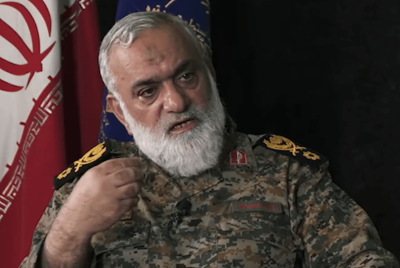
The situation is complicated by differing accounts from Washington and Tehran. Trump has said the framework is close, but Reuters reported that Iran's Fars news agency says any agreement would allow Tehran to manage the Strait of Hormuz, indicating significant gaps remain between the two sides.
Iran said it has finalised 'many issues' of an agreement with the US to extend a fragile ceasefire by 60 days and reopen the Strait of Hormuz, but cautioned that a deal was not imminent as talks continue on outstanding details. https://t.co/MGmO89eX9j pic.twitter.com/yxmSoBFCf6
— Financial Times (@FT) May 25, 2026
Reuters and CNBC also reported that the nuclear question remains unresolved, with Iranian sources suggesting possible 'feasible formulas' over the uranium stockpile, including dilution under international monitoring.
Iranian sources had told Reuters that in future stages, "feasible formulas" could be found to resolve the dispute over its highly enriched uranium stockpile, including diluting the material under the supervision of the U.N. nuclear watchdog.
— Phil Stewart (@phildstewart) May 24, 2026
AP reported that negotiators are working within a 60-day window to finalise details, which helps explain why criticism has emerged early in the process. For critics, concerns centre both on substance and on the perception of concessions being discussed before final terms are agreed.
Bigger Political Stakes
The criticism comes at a sensitive political moment for Trump, as Republican hardliners frame the Iran talks as a test of his foreign policy approach. Supporters argue he is attempting to end a war rather than prolong it, consistent with his 'America First' messaging.

The disagreement has broadened into a wider debate over US foreign policy priorities, particularly over whether continued pressure or negotiated settlement best serves American interests.
For now, Trump remains positioned between competing factions within his political coalition. Hawks are urging continued pressure on Iran, while others are calling for a diplomatic resolution. The outcome of the talks is now being closely watched as both a foreign policy development and a test of cohesion within Trump's political base.
© Copyright IBTimes 2026. All rights reserved.
- Recommended For You