Met Police Roll Out New Fan-Friendly Tactic To Make Concerts and Matches Safer for Women
The new approach can mean a conversation in a crowd, a reassuring presence near entrances and, sometimes, a quick photo with a fan.
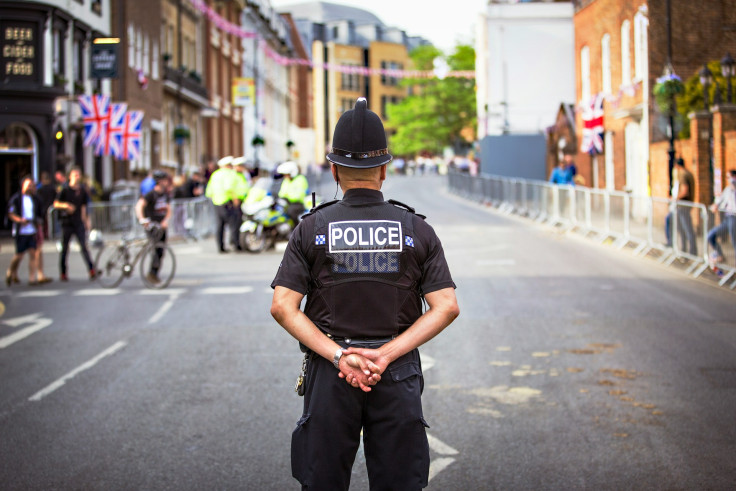
The Metropolitan Police is deploying more visible and approachable officers at Wembley Stadium events in London as part of efforts to tackle violence against women and girls, with officers encouraging positive interactions such as taking selfies with fans. The initiative will be part of the force's campaign to build trust and deter predatory behaviour at major concerts and sporting events.
But the move did not happen out of thin air. It comes after growing scrutiny of how authorities respond to violence against women and girls, alongside efforts by the Met to rebuild public confidence following high-profile cases involving serving officers.
The force said it has expanded specialist work in this area, including training thousands of staff and increasing support services for victims.
Wembley Patrols To Build Trust With Fans
During a patrol operation at Wembley Stadium, where more than 100 officers were deployed for the Summertime Ball, officers told reporters they had been encouraged to engage with crowds rather than simply act as a visible security presence.
Inspector Shaz Bassi, who leads the operation, said the aim was to create positive encounters between police and the public, particularly for people who may rarely interact with officers.
'A lot of these people might not have seen police officers or had an opportunity to engage with officers ever, so it's about making the first impression they have as positive as possible,' Bassi said.
She added that most attendees were at events to enjoy themselves and responded positively to seeing officers nearby.
'About 99% of people are there to have a good time, and they're really engaging, they're really lovely, and they like the police,' she said.
The approach marks a shift from traditional event policing, where officers are often associated mainly with enforcement. The Met believes that being more approachable can encourage people to report concerns earlier and help officers identify behaviour that could escalate.
Larger events can require significantly more police resources, with the force saying deployments can reach up to six times the size of the Wembley operation, depending on the circumstances.
Violence Against Women Strategy Faces Public Trust Challenge
The focus on violence against women and girls follows several major cases that intensified scrutiny of policing standards, including the murder of Sarah Everard by Met officer Wayne Couzens and the conviction of diplomatic protection officer David Carrick for offences against 14 women.
The Met said reports of violence against women and girls had increased from 9,236 to 15,834 compared with the previous year. Reports of domestic abuse rose from 6,596 to 11,987, while reports of rape increased from 740 to 1,599.
The force has said the rise in reporting reflects greater willingness among victims to come forward, alongside continued work to address offending.
Claire Argyle, from the Met's central Violence Against Women and Girls team, said the specialist unit had expanded over the past five years and that officers had seen progress through its initiatives.
'You usually get a good reaction from the crowds who are here to enjoy things,' Argyle said. 'We've had really good feedback from surveys that get sent out for various kinds of events like this and football, too. They love seeing officers out on patrol, keeping them safe.'
The Met said around 23,000 officers and staff have received dedicated Violence Against Women and Girls training, while specialist victim support services have also been strengthened.
The force's approach comes as police across the UK continue to face pressure over how they handle reports of harassment, abuse, and violence. At major public gatherings, the challenge is not only responding to incidents but also creating an environment where people feel confident seeking help.
For officers at Wembley, that can mean a conversation in a crowd, a reassuring presence near entrances, and, sometimes, a quick photo with a fan. The Met hopes those small interactions can help change how the public views police presence at some of the country's biggest events.
© Copyright IBTimes 2026. All rights reserved.
- Recommended For You