What Is National Night Out? The 4 August Tradition Bringing Neighbors and Police Together Tonight
Free block parties return as new ICE-police deals test decades of community goodwill
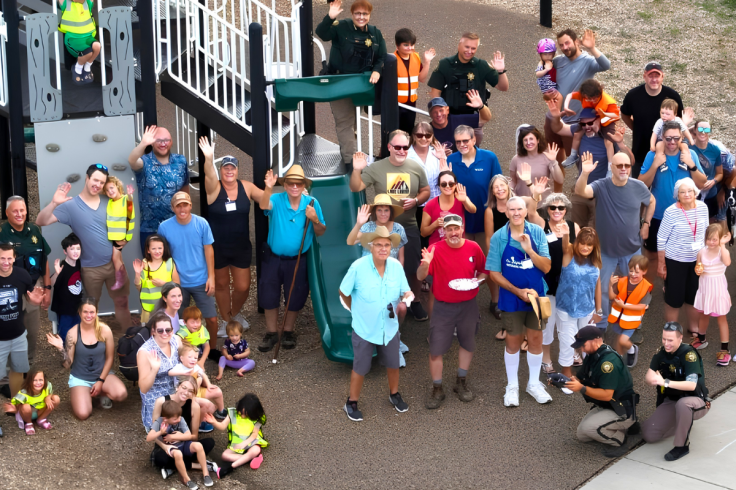
National Night Out returns tonight, 4 August, drawing neighbours and police into thousands of block parties across the US. This year, the 43rd edition lands as trust between communities and law enforcement faces its sharpest test in years.
What Is National Night Out?
National Night Out is a yearly community event held on the first Tuesday of August. It began in 1984 when Matt Peskin, working in the western suburbs of Philadelphia, asked neighbours to switch on their porch lights and sit outside together to show a united front against crime.
The campaign is run by the National Association of Town Watch (NATW). The first event drew about 2.5 million people across 400 communities in 23 states. In 2026, more than 17,000 communities across all 50 states, US territories, and military bases are taking part. This year's national sponsors include ADT, Nintendo, AT&T, Starbucks, and Dollar Tree.
'What began as a simple idea, lights on and front porch vigils, has blossomed into a powerful national movement,' Peskin said.
How To Find or Register an Event Near You
Most events run from around 6 p.m. to 8 p.m. and are free. They range from backyard cookouts to full street festivals with safety demos, food trucks, and visits from fire and police crews.
To find a gathering, search 'National Night Out near me' or check your local police department's website and social media pages. Residents can also register their own block party through the official NATW site at natw.org, where an interactive map lists participating towns. Deputies and officers often try to visit as many registered parties as they can.
Why This Year Feels Different
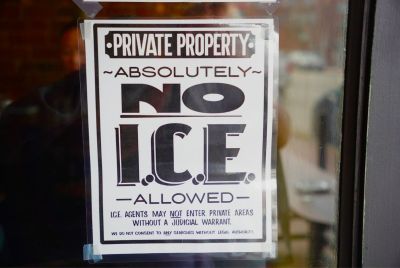
The 2026 event arrives during a national fight over immigration enforcement and the role local police play in it. Agreements that deputise local officers for federal immigration work have risen more than 900% since early 2025, according to analyses of ICE data.
In July, the Justice Department offered state and local police up to $3 billion (£2.2 billion) in grants tied to cooperation with federal immigration agents. The Department of Homeland Security has reported more than 675,000 deportations during the first year of President Trump's second term.
That backdrop has strained the goodwill National Night Out is built on. In April, the International Association of Chiefs of Police issued guidance warning that immigration operations can damage officer safety, public trust, and the effectiveness of joint work in the cities where they happen.
A Real Test of Trust
For many departments, tonight offers a chance to rebuild relationships outside of an emergency or an arrest. Officers hand out food, answer questions, and meet residents who might otherwise only see them during a crisis.
Critics argue those handshakes ring hollow while the same agencies weigh federal deals that could put officers at the centre of deportation drives. Supporters counter that face-to-face contact is exactly what keeps neighbourhoods safe and talking.
Either way, tonight will show whether a 43-year-old tradition can still bring both sides to the same table. For readers who want to take part, the simplest step is to find a local event, turn up, and start a conversation.
© Copyright IBTimes 2026. All rights reserved.
- Recommended For You