

London Fare Dodgers Caught on Camera Walking Straight Through Ticket Barriers as Staff Stand By
Southall fare‑dodging footage highlights growing online trend
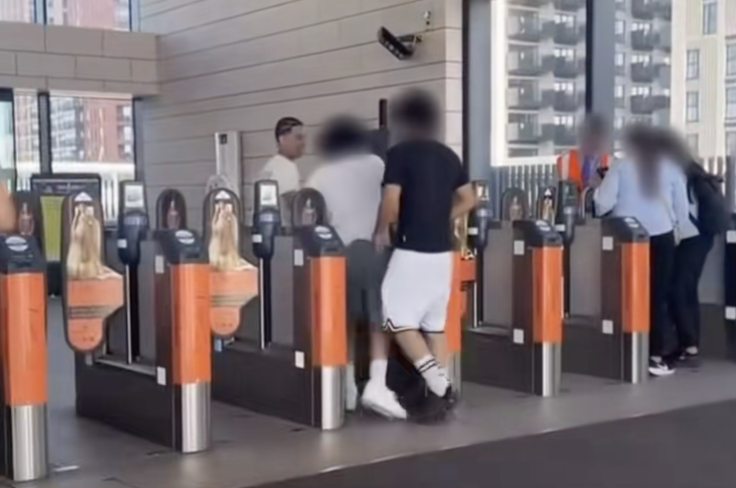
A viral TikTok showing a group of youths walking straight through ticket barriers at Southall station while a member of staff looked on has reignited debate over fare evasion, frontline worker safety and whether transport operators are doing enough to tackle the problem.
The clip, which has attracted hundreds of thousands of views, shows the group barging through the barriers without paying while a member of station staff does not intervene. Many viewers appeared unsurprised, with comments claiming the behaviour was 'normal at most stations' and 'happens all the time'.
Social Media Is Fuelling the Debate
The Southall footage is only the latest in a wave of fare-dodging videos circulating on TikTok and Instagram, where clips of people bypassing ticket barriers are often shared as entertainment rather than criminal behaviour that can result in prosecution.
Searches across TikTok reveal dozens of similar videos filmed at stations across the UK, some attracting hundreds of thousands of views. Many show groups passing through barriers together, while others focus on confrontations with ticket inspectors or station staff.
The videos have fuelled wider debate across TikTok, X and Reddit, dividing opinion between those who see fare evasion as a consequence of soaring rail fares and the cost of living, and those who view it as theft that ultimately affects fare-paying passengers.
Some users argued that ticket prices leave people with little choice, with one claiming a journey from Birmingham to London had cost £270. Others insisted passengers travelling without a valid ticket should expect significant penalties if caught.
In 2024, penalty fares across much of England increased from £80 to £100. Despite the tougher fines, fare evasion remains a major issue across the rail network.
Transport for London (TfL) estimates that almost 5% of Underground journeys are made without payment, costing the network more than £130 million each year.
A British Transport Police spokesperson told IBTimes: 'Fare evasion is not a victimless crime. The cost is passed down to the honest fare-paying members of the travelling public.'
@ub1ub2media A group of teenagers were filmed barging through the ticket barriers at Southall Station in broad daylight, while a TfL worker carried on helping paying customers nearby. 🎥 Submitted to UB1UB2 📍 Southall Station, West London #UB1UB2 #Southall #Hillingdon #News
♬ original sound - UB1UB2
Why Staff Often Do Not Intervene
One of the biggest talking points following the Southall video was why the member of staff present did not attempt to stop the group.
Similar discussions regularly appear on Reddit, where users question whether station staff should be given greater powers to tackle fare evasion. Others argue that expecting frontline employees to confront large groups puts them at unnecessary risk.
TfL has linked fare evasion to around half of all reported violence and aggression incidents involving frontline staff. As a result, transport operators generally discourage employees from placing themselves in situations that could escalate into confrontation.
Maryam Eslamdoust, General Secretary of the Transport Salaried Staffs' Association (TSSA), said fare evasion and abuse at ticket barriers were having a direct impact on transport workers.
'In recent times we have seen a rising tide of threats, abuse and attacks on staff in stations, at ticket offices and on platforms,' she said. 'Our union has been campaigning for months for action to keep transport workers safe.'
Why These Videos Keep Going Viral
Researchers have long argued that social media algorithms reward content that provokes strong reactions. Videos involving conflict, rule-breaking or perceived risk often generate higher engagement, making them more likely to be promoted to wider audiences.
Fare evasion videos are part of a broader trend where clips showing disruptive or unlawful behaviour regularly outperform more conventional content.
The challenge for platforms is that many of these videos sit in a grey area. While they may depict unlawful behaviour, they do not always explicitly encourage others to copy it.
For creators, however, the incentives are clear. A few seconds of controversial footage can generate hundreds of thousands of views, helping turn everyday acts of rule-breaking into viral content.
© Copyright IBTimes 2026. All rights reserved.