

New UK Law Could Shut Down Volunteer Search and Rescue Teams, Ending a Life-Saving Service
Volunteer search and rescue organisations across the UK warn that new Care Quality Commission (CQC) registration requirements could force community teams to cease life-saving operations.
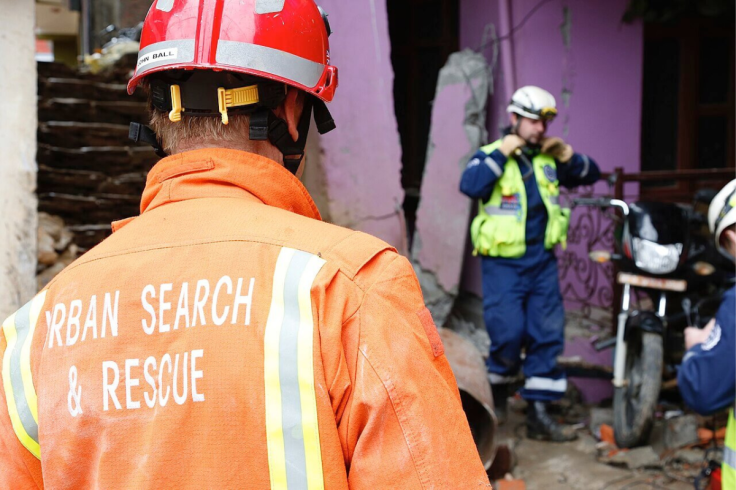
A proposed change to UK law is triggering alarm among volunteer rescuers who fear it could do the opposite of what it was intended to achieve, leaving some communities without one of their fastest lifelines in an emergency.
Volunteer search and rescue (SAR) teams across the UK are warning that a proposed shift in regulatory oversight could inadvertently force essential emergency services to shut down. The controversy centres on recent amendments to the Health and Social Care Act 2008, which require providers offering 'treatment of disease, disorder or injury' (TDDI) at sporting and cultural events to register with the Care Quality Commission (CQC).
The warning comes from SAR teams across Devon and Cornwall, where volunteers say new regulatory requirements could become so costly and complex that some organisations may have no choice but to stop operating.
Dr Bruce Hughes, a team doctor for East Cornwall Search and Rescue Team, summed up the stakes in one stark sentence: 'If we don't go, there's nobody else to go.'
While the legislative push, driven by recommendations from the Manchester Arena Inquiry, aims to standardise safety at major commercial events, volunteer-led groups fear they have been swept into a one-size-fits-all framework. With registration fees starting at approximately £1,000, coupled with significant ongoing compliance demands, many donation-funded teams warn they lack the infrastructure to sustain such a burden, leaving remote communities at risk of losing their fastest emergency lifeline.
Search and rescue teams 'at risk from new law' https://t.co/h02RvJaKzQ
— BBC Cornwall (@BBCCornwall) July 20, 2026
Why Volunteer Rescue Teams Are Worried
The changes stem from a Health and Social Care Act 2008 amendment, introduced after recommendations from the Manchester Arena Inquiry reforms.
The inquiry recommended stronger oversight of organisations providing healthcare at sporting venues, gyms and major events, leading to proposals that would expand Care Quality Commission registration requirements.
While few dispute the need for stronger public safety standards, volunteer rescue teams argue they have been swept into regulations designed for much larger healthcare providers.
Unlike commercial organisations, these teams are run by volunteers, funded through donations and fundraising, and remain on call 24 hours a day, seven days a week.
They search for missing people, rescue injured walkers and climbers, and support police, ambulance and other emergency services in some of the country's most challenging terrain.
A Lifeline for Remote Communities
Across Dartmoor, Exmoor, Devon and Cornwall, volunteer rescuers often reach casualties in places where conventional emergency vehicles simply cannot.
Whether responding to a hiker injured on a remote moor, someone stranded on rugged coastline or a missing person deep in difficult terrain, these teams provide specialist rescue capability that local communities have relied on for decades.
East Cornwall Search and Rescue Team alone responds to around 35 call-outs every year.
Volunteers fear that if even a handful of teams were forced to scale back or close, rescue times could increase significantly for people who need urgent help.
Why the New Rules Are Causing Concern
Under the proposals, affected organisations would need to complete Care Quality Commission registration, pay an estimated £1,000 registration fee per team and comply with ongoing regulatory requirements.
For volunteer groups with no paid administrative staff, leaders say the challenge goes far beyond the registration fee.
Dr Hughes said, 'Registration with the CQC would be a terrible thing for us to have to do because we just don't have the infrastructure and resources to be able to comply with that.'
He stressed that he supports appropriate regulation for paid first aid providers, but believes volunteer rescue organisations require a more proportionate approach.
Rescue Leaders Warn of Unintended Consequences
Dr Ben Morris, medical officer for North Dartmoor Search and Rescue Team, believes the proposals risk applying a one-size-fits-all system to organisations operating in very different circumstances.
He said the additional costs and compliance burden could also affect community events where teams provide medical cover, activities that help generate much-needed income for volunteer organisations.
Paula Holbrook, chair of Peninsula Search and Rescue, fears the impact could stretch even further.
She explained that teams currently position themselves at busy outdoor events before emergencies occur, allowing them to reach casualties within minutes if something goes wrong.
If registration requirements become too difficult, she warned, teams may have to wait until a 999 call is made before deploying, increasing the time injured people spend waiting for help.
'The quicker we can be there, the better,' Holbrook said.
Why Coastguard Teams Are Exempt
One of the most debated aspects of the proposals is that HM Coastguard will not be affected.
The Maritime and Coastguard Agency has confirmed its coastguard rescue teams are exempt from the new rules, while volunteer search and rescue organisations are not.
For many volunteers, that difference has become one of the biggest unanswered questions surrounding the proposed search and rescue regulations.
The Care Quality Commission has said any exemption for volunteer rescue teams would have to come from the Department of Health and Social Care and would likely require further legislative change.
As Dr Hughes warned, if volunteer rescuers are no longer able to answer the call, there may be nobody else left to do it.
As teams continue to see a rise in call-outs driven by the growing popularity of outdoor activities, the consensus among volunteers is clear: they support safety, but they cannot survive under the weight of commercial-sector bureaucracy. Without a rethink, the UK's 'fourth blue light' service may soon find itself fighting to stay operational.
© Copyright IBTimes 2026. All rights reserved.