

The European Broadcasting Union Releases New Guidelines to Prevent the Sexualisation of Female Athletes
Illustrated guide urges broadcasters to prioritise performance over appearance
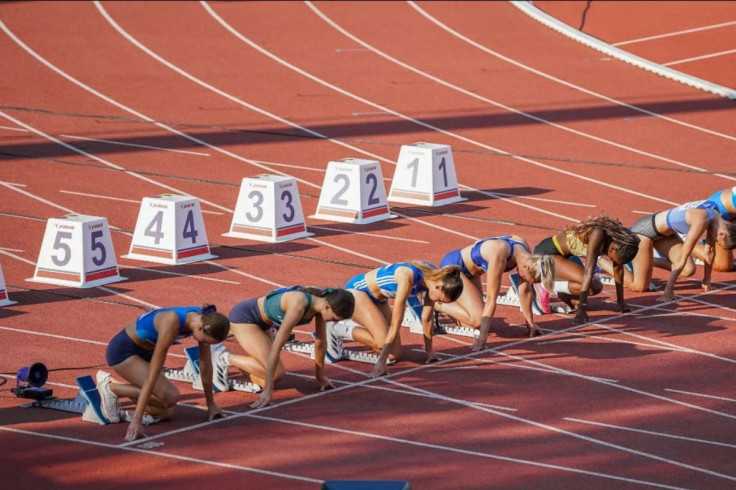
The European Broadcasting Union (EBU) and European Athletics have unveiled new broadcasting guidelines designed to reduce the sexualisation of female athletes during television coverage, urging broadcasters to focus on sporting performance rather than camera angles that unnecessarily objectify competitors.
The guidance, titled 'Raising the Bar: Guidelines for Respectful Media Coverage in Women's Athletics,' includes a series of illustrated examples showing both recommended and discouraged camera shots.
The publication has attracted widespread attention online because of its graphic visual examples, which demonstrate how certain camera angles can produce revealing or compromising images of athletes during competition. Rather than introducing new restrictions, the EBU says the document is intended to help production crews tell the story of an event while preserving athletes' dignity.
What Are the New Guidelines?
The 23-page document was developed jointly by the EBU and European Athletics with input from Olympic athletes including British pole vaulter Holly Bradshaw, Serbian long jumper Ivana Španović and Croatian high jumper Blanka Vlašić. It offers practical recommendations for camera operators, directors and editors covering women's athletics events.
Rather than banning specific shots outright, the guidance encourages broadcasters to avoid camera positions and editing techniques that emphasise an athlete's body over their sporting performance. Examples include lingering close-ups, low-angle shots that create revealing views, and slow-motion replays that add little editorial or technical value.
Instead, the report recommends wider camera angles that better showcase an athlete's speed, technique, power and overall performance.
Why Were the Guidelines Introduced?
According to the EBU, concerns over the sexualisation of female athletes have persisted for years across numerous sports broadcasts.
EBU Sport Executive Director Glen Killane said selective camera angles and editing choices can distract from an athlete's achievements while reinforcing harmful stereotypes.
He said these editorial decisions 'shape audience perception by diverting attention from the remarkable achievements and technical skills of women athletes' and can contribute to inappropriate online behaviour and harassment.
The guidance follows wider discussions within international sport about ensuring women athletes receive coverage that reflects their sporting ability rather than their appearance.
What Do the Illustrations Show?
One reason the report has generated headlines is the inclusion of detailed illustrations comparing preferred and discouraged camera positions.
For events such as the high jump and pole vault, the guide highlights how low-angle shots beneath athletes or close-up slow-motion replays can unintentionally produce compromising images. Instead, it recommends wider perspectives that allow viewers to appreciate the athlete's full technique, including the run-up, take-off and clearance.
For running events, broadcasters are advised to avoid unnecessarily tight shots from behind or below, particularly during race preparations or moments immediately after finishing when athletes may be exhausted or adjusting their clothing.
What Have Athletes Said?
Former Olympic bronze medallist Holly Bradshaw said the issue extends beyond television broadcasts because footage is frequently clipped and shared across social media.
Bradshaw explained that she has personally received abusive messages and seen inappropriate videos of herself and fellow competitors created from slow-motion broadcast footage.
She added that athletes should be able to compete without worrying that certain camera angles will later be used to sexualise them online. Her experiences helped shape the recommendations included in the report.
Will the Guidelines Change Sports Broadcasting?
The EBU has stressed that the recommendations are guidelines rather than mandatory rules, meaning broadcasters are not required to follow them. However, the organisation hopes they will become the industry standard across women's athletics events.
Supporters argue the changes will help keep the focus on athletic achievement and technical excellence, while critics have questioned whether broadcasters need formal guidance on camera placement.
Regardless of where the debate goes next, the report reflects a broader movement within international sport to ensure female athletes are portrayed fairly and respectfully. By encouraging camera work that highlights performance instead of potentially compromising imagery, the EBU says broadcasters can improve storytelling without diminishing the excitement of live competition.
© Copyright IBTimes 2026. All rights reserved.