The Hidden Risks of Unreported Foreign Accounts for UK-Based American Expats
FATCA reporting and stricter enforcement make timely disclosure of foreign accounts more important than ever.
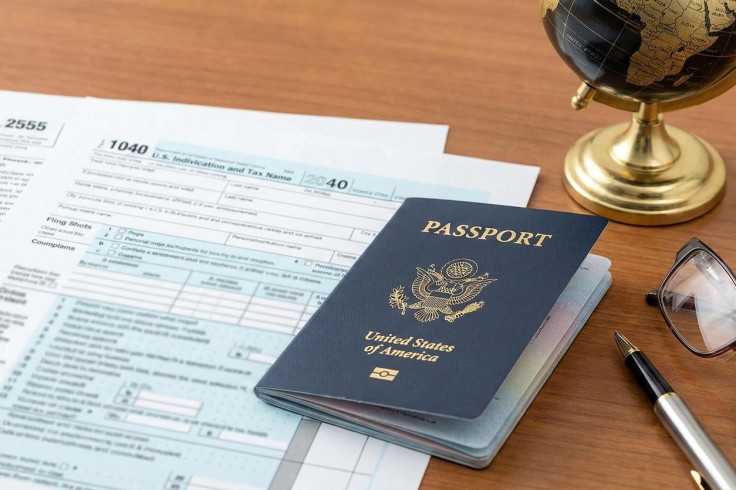
Living in the United Kingdom as an American citizen creates financial headaches that many expats don't see coming. While your overall odds of getting audited by the Internal Revenue Service (IRS) stay fairly low, unreported foreign accounts change everything. They can turn simple tax duties into expensive nightmares.
Why UK-based Americans Face Elevated IRS Scrutiny
American expats in Britain often think that being far from the United States keeps them safe from IRS enforcement. This thinking is flat-out wrong. The Foreign Account Tax Compliance Act (FACTA) requires UK financial institutions to report American account holders directly to the IRS. This creates an automatic paper trail that didn't exist 10 years ago.
When gaps show up between what FATCA reveals and what you've reported, things get serious fast. Americans who find years of missed filings may qualify for a streamlined amnesty program that cuts penalties significantly–but only if they act before the IRS contacts them first.
The likelihood of being audited goes up a lot when foreign financial accounts enter the picture. According to IRS compliance data, taxpayers with international information returns face audit rates several times higher than domestic-only filers. For UK-based Americans holding ISAs, pensions, or investment accounts, this heightened scrutiny is a real concern.
Understanding Current IRS Audit rates by Income
Before looking at expat-specific risks, it helps to understand baseline audit odds. According to the most recent IRS data, the overall audit rate sits around 0.38% of all returns filed. That means roughly 4 in every 1,000 tax returns get some form of examination.
But these averages hide big differences. IRS audit rates by income level show a clear pattern: the more you earn, the greater your chance of getting audited by the IRS.
| Income level | Approximate audit rate |
| Under £40,000 | 0.2% - 0.3% |
| £40,000 - £160,000 | 0.3% - 0.5% |
| £160,000 - £400,000 | 0.6% - 1.0% |
| £400,000 - £800,000 | 1.0% - 1.5% |
| Over £800,000 | 1.5% - 2.5% |
| Over £4 million | 8% - 13% |
These figures come from TRAC analysis of IRS data. They show that while audit probability stays low for average earners, high-income individuals face much higher IRS audit risk. The latest data shows the IRS has put more resources toward wealthy taxpayers with complex international holdings.
How Foreign Accounts Multiply Your Audit Likelihood
The question of how often the IRS audits changes a lot when unreported foreign accounts exist. Several factors combine to create a perfect storm of compliance risk for UK-based Americans.
FATCA reporting creates automatic cross-referencing
British banks, building societies, and investment platforms automatically send American customer data to the IRS every year. When your UK bank reports account balances that don't show up on your FBAR or Form 8938, your IRS audit probability jumps.
The IRS gets this information whether you file returns or not. Americans who've never filed from abroad face a growing record of foreign holdings that the IRS can look at whenever it decides to investigate.
Foreign income discrepancies raise red flags
Many UK-based Americans earn income from British employers, rental properties, or investments. When this income doesn't appear on US returns, the gap between reported worldwide income and what third-party sources show triggers examination.
The chances of being audited by the IRS grow quickly when clear gaps exist. Unlike domestic underreporting, where the IRS might have limited visibility, foreign account discrepancies often come with evidence already in government hands.
PFIC investments create hidden traps
British investment accounts often contain funds classified as Passive Foreign Investment Companies under US tax law. These include common UK index funds, OEICs, and investment trusts that British financial advisers regularly suggest.
PFIC holdings need complex annual reporting and face harsh tax treatment that many expats only learn about during examination. The IRS audit risk gets worse when these investments create unreported income or capital gains, stacking up layers of compliance failures from a single overlooked account.
The real cost of getting caught
Knowing what percentage of people get audited by the IRS feels comforting–until you become one of them. For unreported foreign accounts, the penalty structure hits especially hard.
FBAR penalties can be devastating
Failing to file the Report of Foreign Bank and Financial Accounts carries separate penalties from income tax violations:
- Non-wilful violations attract fines up to $10,000 per account per year
- Wilful violations carry penalties of $100,000 or 50% of account balances, whichever is greater
The IRS may claim wilful violation when patterns suggest intentional avoidance.
For UK-based Americans with substantial savings, mortgages, or retirement funds, these penalties can exceed what the accounts are actually worth. A family with six years of unreported accounts holding £200,000 could face penalties approaching £600,000 under worst-case readings.
Criminal prosecution remains possible
Criminal cases stay rare, but the IRS has gone after taxpayers with unreported foreign accounts. The odds of getting audited leading to criminal referral increase when the IRS finds wilfulness. This usually shows up through attempts to hide accounts, lying on returns, or using foreign structures specifically to dodge taxes.
Living abroad doesn't protect you from prosecution. The US has mutual legal assistance treaties with the UK that make information sharing easier and, in extreme cases, allow extradition proceedings.
Warning Signs That Your Accounts May Attract Attention
Certain patterns raise your chance of getting audited by the IRS beyond typical expat profiles. Knowing these triggers helps you assess personal risk.
Large transfers between countries often prompt scrutiny. Moving big sums from British accounts to American institutions (or the other way around) creates records that the IRS may examine for unreported income or gifts.
Investment income without matching US reporting is another major trigger. British ISAs generate tax-free income in the UK but remain fully taxable in the US. Americans treating ISA earnings as non-reportable create exactly the gaps that automated systems flag.
Inconsistent lifestyle indicators also draw attention. When someone claims modest income but buys property, takes expensive holidays, or otherwise shows financial ability that doesn't match reported earnings, the probability of getting audited by the IRS goes up.
How the IRS Actually Tracks Expats Abroad
The ways of tracking Americans overseas have grown a lot. FATCA compliance means British financial institutions face their own penalties for failing to report American customers. This creates strong reasons for thorough disclosure.
Beyond FATCA, the IRS keeps information exchange agreements with HMRC that allow direct communication about taxpayer activities. Joint investigations happen when significant evasion seems likely, though they're not common.
Social media and public records give extra visibility too. The IRS can access property registries, company formation records, and publicly available information that may contradict what you've claimed.
Coming Into Compliance Before Problems Arise
Americans with unreported foreign accounts face a critical choice: keep hoping the statistical likelihood of an IRS audit protects them, or fix compliance failures before enforcement starts.
The streamlined filing programme offers much lower penalties for taxpayers who certify their failures were non-wilful. This certification carries legal weight and requires genuine non-wilfulness. But eligible taxpayers can resolve years of missed filings without facing the full penalty regime.
Voluntary disclosure options exist for those who can't certify non-wilfulness, though penalties run higher. Even these programmes typically cost less than penalties assessed after IRS-initiated examinations.
Taking Action Now
For UK-based American expats, the question isn't really how likely an IRS audit is under normal circumstances. The real question is whether unreported foreign accounts have created a ticking compliance time bomb that FATCA reporting will eventually set off.
Every year of continued non-compliance adds potential penalties while reducing options. The IRS audit rate may seem low overall, but that number includes millions of simple domestic returns that don't trigger international enforcement systems.
Expats with unreported accounts face fundamentally different odds. Understanding this distinction — and acting on it — makes the difference between manageable corrections and potentially devastating consequences.
© Copyright IBTimes 2026. All rights reserved.
- Recommended For You