Iran War Quietly Strains UK and Europe as Hidden Economic and Security Risks Escalate
A distant conflict is quietly reshaping Europe's economy, safety and political choices.
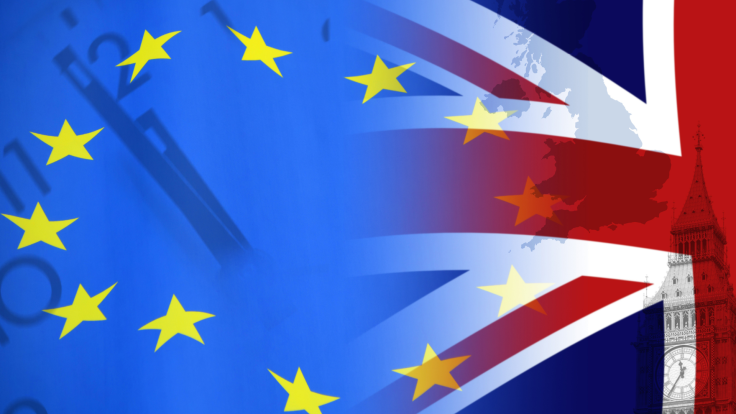
The war in Iran may feel far away on the map, but its effects are already starting to show up in everyday life across the United Kingdom and Europe. Prices are edging up, security concerns are growing and political decisions are becoming more uncertain.
On the surface, headlines may seem steady. Beneath that, though, the region's economy is beginning to slow, and governments are quietly adjusting to a new reality shaped by conflict.
What looks like a distant war is now putting Europe's resilience to the test. From energy bills to trade deals and national security, the pressure is building in ways that are easy to overlook but difficult to avoid.
A Slowdown Few Expected
The economic warning signs are already there. Growth in the Euro zone has nearly stalled this March as the Middle East conflict drives inflation and disrupts supply chains.
According to Reuters, recent purchasing managers' index data shows economic activity slowing sharply to a 10 month low, with rising energy costs pushing prices up again. The escalating conflict in Iran pushed input costs to their highest levels, causing the worst supply chain disruption since the middle of 2022.
Manufacturing prices have also risen significantly, while the delivery times index has dropped, signalling that businesses expect serious delays and further price increases. For firms, that means caution. For households, it means feeling the strain in everyday spending.
In the UK, this slowdown adds pressure to an already fragile recovery. Higher import costs and uncertainty in global markets are quietly feeding into food prices, transport costs and utility bills.
For many European families, the connection to Iran may not be immediately obvious. But the rising cost of living is one of its clearest effects.
A Trade Deal in a Fragile Moment
At the same time, Europe is pushing ahead with a £5.2bn free trade deal with Australia after eight years of negotiations. The agreement, signed in Canberra, is designed to boost long term growth and open up new markets.
The timing, however, seems risky. With global uncertainty rising, the benefits of the deal may take longer to reach ordinary people.
As reported by BBC News, the agreement aims to strengthen economic ties and reduce reliance on unstable regions by removing almost all tariffs on trade. It also sets out plans to increase co-operation on defence and critical minerals.
According to Australian Prime Minister Anthony Albanese and European Commission President Ursula von der Leyen, the deal is a 'win-win' for both sides. Critics, however, warn that short term disruption from the Iran conflict could blunt its immediate impact.
Australian and European farmers have also expressed concern, particularly over export quotas on Australian beef and lamb products.
For workers and small businesses, this leaves a gap between promise and reality. Trade may grow, but costs are rising faster.
Starmer's Policy Under Fire
UK Prime Minister Keir Starmer is facing rising criticism over his approach to the Iran conflict. Some analysts warn that his strategy risks drawing Britain deeper into geopolitical tensions without clear economic safeguards, while also putting lives at risk.
An opinion piece from Al Jazeera described the policy as a 'recipe for catastrophe,' arguing that it could leave the UK exposed to both security threats and economic shocks.
Critics say the government has not fully prepared for the ripple effects, including cyber threats, energy instability and growing pressure on defence spending. They also point out the UK's decision more than 20 years ago to join the US led war in Iraq, which left the country dealing with years of tension and instability.
For the public, this translates into uncertainty, as truth becomes one of the first casualties of war, shaped by competing narratives from those involved. It raises difficult questions about whether the UK can protect both its economy and its security at the same time.
Security Risks Closer to Home
The impact of the conflicts in the Middle East is not only economic. It is also quietly reshaping Europe's security landscape.
The Wall Street Journal reported European nations are playing a key supporting role in the Iran war, particularly when it comes to logistics.
Despite criticism from US President Donald Trump, Europe's involvement remains significant. The continent hosts nearly 40 US military bases and around 80,000 service personnel. It serves as a relatively quick and cost effective launch point for American operations, not just in the Middle East but beyond.
Even though such role is vital, it also brings risk. It leaves the region more exposed to potential retaliation and instability, which is why some EU countries are keen to define their involvement as strictly 'logistical.'
Why Human Rights Now Shape Economic Security
Amid these pressures, a growing argument is developing that Europe's economic stability cannot be separated from human rights.
Long term economic security depends on protecting rights and preventing abuses that can fuel conflict and instability, Human Rights Watch noted. The group warns that ignoring these issues risks deepening global tensions and damaging Europe's own economic interests.
This shifts the conversation. It is no longer only about trade or defence. It is also about the values that shapes economic survival.
The Invisible Impact Becoming Visible
What makes this moment so unsettling is how quietly it is unfolding. There are no sudden shocks, only steady pressure building across several fronts.
From higher household bills to policy risks and growing security concerns, the Iran war is already shaping daily life in the UK, Europe and beyond. Many people are only seeing fragments of the bigger picture, but the full impact is becoming harder to ignore.
As the conflict in the Middle East drags on, the question is no longer whether the United Kingdom and Europe will feel its effects. It is how much more strain they can absorb before it becomes impossible to hide.
© Copyright IBTimes 2026. All rights reserved.
- MOST POPULAR IN National