ChatGPT Giant OpenAI Could File IPO Paperwork as Early as Friday, WSJ Reports
OpenAI's confidential IPO filing could happen soon, as legal challenges are resolved and financial strategies evolve.
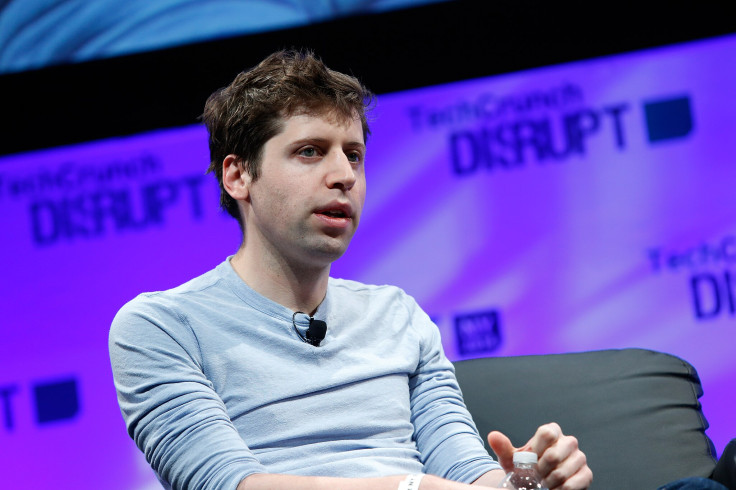
OpenAI is preparing to confidentially file paperwork for a potential initial public offering, with a submission to US regulators that could come within days, the Wall Street Journal reported, citing people familiar with the matter.
The move would take the ChatGPT maker a step closer to tapping public markets as it seeks additional funding to support the growing costs of building and running advanced artificial intelligence systems.
OpenAI IPO Filing Timeline Reported By WSJ
Citing people familiar with the matter, the WSJ reported on Wednesday that OpenAI is working with bankers including Goldman Sachs and Morgan Stanley on a draft IPO prospectus. The filing could be submitted confidentially as early as Friday, although the timing remains subject to change.
Such a confidential submission would allow OpenAI to engage with regulators and adjust its plans before publicly launching an offering.
OpenAI did not immediately respond to a request for comment from Reuters, which said it had not independently verified the report.
OpenAI Working With Banks On IPO Plans
Reuters had previously reported that the company was considering an IPO filing in the second half of 2026, indicating that preparations have been in motion for some time. The latest developments suggest those plans may now be moving forward more quickly.
Key details, including valuation, structure and final timing, have yet to be disclosed.
A stock market listing would open the door to a broader pool of funding, while also bringing new obligations to shareholders and regulators. For a company operating at the forefront of a fast-moving industry, that balance could prove significant.
Musk Lawsuit Dismissal Clears Path For OpenAI
The reported progress comes shortly after a US court dismissed a lawsuit brought by Elon Musk, removing a potential complication as OpenAI explores raising new capital.
Musk, who co-founded OpenAI in 2015, had sought $150 billion in compensation, accusing chief executive Sam Altman and president Greg Brockman of moving the organisation away from its original non-profit purpose. He alleged that company leadership benefited financially from changes to its structure.
A California court dismissed the case on procedural grounds, ruling that the claims were filed outside the statute of limitations. Judge Yvonne Gonzalez Rogers did not assess the underlying allegations.
Musk said he intends to appeal, arguing the outcome was based on what he described as a 'calendar technicality'. Writing on X, he maintained that OpenAI's leadership had improperly enriched themselves, though those claims were not examined in court.
OpenAI has rejected the allegations, stating that Musk had previously supported the shift towards a profit-based model. Its legal team also argued that his challenge was influenced by competition, noting his involvement with rival AI firm xAI.
🚨 ELON MUSK LOST HIS LAWSUIT AGAINST OPENAI AND SAM ALTMAN.
— Bull Theory (@BullTheoryio) May 18, 2026
A California jury threw out the entire case unanimously after just two hours of deliberation.
The case was thrown out because Musk filed it too late. The legal deadline to bring the lawsuit had already passed.
Musk… pic.twitter.com/6m7MZAVHeb
OpenAI Growth Driven By AI Investment Needs
The ruling removes one of the more visible legal uncertainties surrounding the company at a time when investor interest in artificial intelligence remains high. Some analysts have placed OpenAI's valuation at up to $1 trillion.
Originally set up as a non-profit with a mission to develop AI 'for the benefit of humanity', OpenAI later introduced a capped-profit structure and entered into a multibillion-dollar partnership with Microsoft, which has supported the rapid rollout of tools such as ChatGPT.
Executives have repeatedly said that pushing the boundaries of AI requires computing power on a scale that comes with enormous cost. That financial pressure has shaped the company's shift towards commercial models and external investment.
There is still no confirmed timetable for a listing, but work on the IPO paperwork suggests the company is moving closer to going public, a step that would mark a turning point for one of the most closely watched groups in artificial intelligence.
© Copyright IBTimes 2026. All rights reserved.
- Recommended For You