Pentagon UFO Rule Change Could Unlock Hidden UAP Reports From Former Government Insiders
A narrow legal waiver opens another route for protected UAP information, without guaranteeing that what insiders report will ever become public
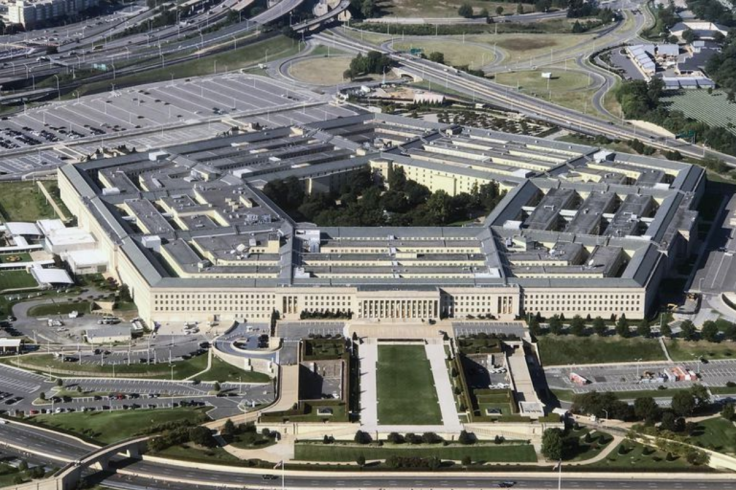
The Pentagon issued a targeted legal waiver on Monday, 14 September 2026, creating an authorised UAP reporting route for current and former defence personnel.
The Pentagon UAP waiver allows covered service members, civilian staff and contractors to provide certain protected information directly to designated PURSUE representatives.
The US Department of War said the measure applies to people who hold, or previously held, access to UAP-related National Defense Information. It does not authorise public disclosure or give personnel unrestricted permission to release classified material.
PURSUE stands for the Presidential Unsealing and Reporting System for UAP Encounters. The initiative was already operating before this week's announcement. Its fifth release of declassified and historical UAP files was published on 7 August 2026.
What the Pentagon UAP Waiver Changes
The directive addresses restrictions in certain non-disclosure agreements and Special Access Program Indoctrination Agreements, known as SAPIAs. These agreements can govern access to sensitive or classified information.
Eligible current and former Department of War service members, civilian personnel and contractors may now provide protected UAP information directly to official PURSUE representatives.
The department said the measure covers those with current or previous access to relevant National Defense Information.
The waiver supersedes specified civil and administrative enforcement provisions in relevant NDAs and SAPIAs executed within the United States. The department said that relief applies 'strictly for communications directed to the PURSUE team.'
That wording matters. The waiver is not a blanket immunity provision, a general declassification order or permission to discuss protected information publicly. Its protection is tied to disclosures made through the authorised PURSUE channel.
The department described the measure as an 'authorised pipeline for systematic review, security evaluation, and potential declassification.' It also said people with direct programme knowledge had raised concerns about potential legal liability, lost clearances and administrative action.
The new route is meant to address those barriers without bypassing security review. Information can be submitted for official examination, but the announcement does not say every submission will be declassified or made public.
That distinction quickly became a focus of online discussion. A Reddit thread in r/UFOs had more than 1,000 upvotes when checked on 17 September, with users debating whether the waiver would produce information the public could eventually see.
The official wording is more restrained. Reporting information to PURSUE and releasing it publicly are two different steps, and the waiver addresses only the first.
What the Pentagon UAP Waiver Does Not Do
The measure does not create a general reporting service for members of the public who believe they have witnessed a UFO or UAP. That remains separate from PURSUE's protected disclosure process.
The All-domain Anomaly Resolution Office, known as AARO, already accepts certain reports from current or former US government employees, service members and contractors. Those reporters must have direct knowledge of US government UAP programmes or activities.
AARO says its online form is intended as an initial point of contact and should not be used to transmit potentially sensitive or classified information. The office may contact a reporter later for more detail or arrange an interview.
Current military and Department of War civilian personnel are also directed to use established operational reporting channels for UAP sightings. Civilian pilots are encouraged to report sightings to air traffic control, with AARO receiving relevant pilot reports from the Federal Aviation Administration.

The office still does not offer a general public reporting mechanism. AARO says it will announce when one becomes available.
The Pentagon's waiver therefore applies to a narrower group and a narrower type of disclosure. It concerns people whose access to UAP-related defence information may be constrained by specified agreements.
The waiver announcement disclosed no new UFO encounter. Nor does the policy establish that any UAP involved extraterrestrial technology or another extraordinary explanation.
The Department of War says PURSUE is intended to support review, security evaluation and possible declassification. Whether any newly submitted material eventually becomes public will depend on those later government decisions.
© Copyright IBTimes 2026. All rights reserved.
- Recommended For You