What Is in Trump's New Fifth Batch of UFO Files? Pentagon Releases Bagram Triangle and Mars Reports
Declassified records reveal unresolved UFO cases, including a silent triangle over Bagram and a mysterious sphere in Brazil

On 7 August, the Pentagon issued its fifth public release of declassified Unidentified Anomalous Phenomena (UAP) records. The disclosure comprises a collection of unresolved case files, including an FBI summary detailing a pilot's account of a silent, triangular object observed over Bagram Airfield in Afghanistan. While these documents are now part of the public record, the reported events remain unverified and do not provide evidence of extraterrestrial origin or activity.
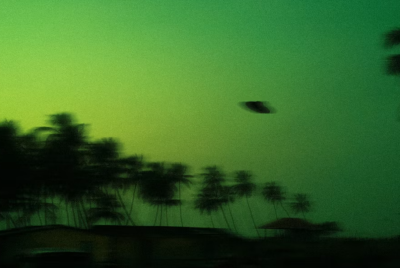
The Bagram account dates back to 2002, when a pilot told FBI agents he and another pilot were stargazing at about 4:30 a.m. They allegedly watched stars disappear above them before what the witness described as a huge object passed overhead.
Trump's UFO Files Revive the Bagram Triangle Account
According to the FBI summary included in the release, the witness described an equilateral triangle moving silently across the sky at a steady altitude and speed. There were no visible lights, according to the report. He estimated that the object, said to be about 500 feet across, was travelling at 173 mph.
A giant dark triangle over a US-operated military base, apparently gliding through the Afghan night without sound or lights, has all the ingredients that keep UFO stories alive long after the original witness has gone home. But the document is still only a witness account. It does not identify the object, provide radar data or offer a Pentagon conclusion about what the pilots saw.
The Department of Defense has been unusually clear on that point. The records in its Presidential Unsealing and Reporting System for UAP Encounters archive concern unresolved cases, meaning officials cannot make a definitive determination about the observed phenomena, sometimes because there is insufficient data.
The fifth tranche, released on 7 August, follows four earlier batches published since 8 May as part of the administration's transparency drive. The archive says further material will be released on a rolling basis as agencies locate, review and declassify records.
US Defense Secretary Pete Hegseth said the department was 'in lockstep with President Trump to bring unprecedented transparency regarding our government's understanding of Unidentified Anomalous Phenomena.'
'These files, hidden behind classifications, have long fuelled justified speculation, and it's time the American people see them for themselves,' Hegseth said. 'This release of declassified documents demonstrates the Trump administration's earnest commitment to unprecedented transparency.'
Trump's UFO Files Also Include An Older Brazil Claim
Another record included in the release concerns an alleged 1963 crash in Rio de Janeiro, Brazil. Witness accounts described a large metal sphere striking the ground and leaving a hole said to be 13 feet deep.
The most extraordinary part of the claim is also the least substantiated. The accounts said the object had windows and contained a human body wearing heavy clothing, alongside inscriptions that could not be deciphered. That is an extraordinary claim, but the FBI material consists of witness statements and media reporting rather than verified government findings.
There is no evidence in the released record that the alleged sphere was extraterrestrial, nor is there an official finding that a body was recovered. The files simply make the historical allegation available for public scrutiny.
That may be the central tension in Trump's UFO disclosure project. The archive is designed to answer public demands for access, but access is not the same thing as explanation. A redacted report, an old interview form or a dramatic illustration can tell readers what someone claimed to see. It cannot necessarily tell them what was there.
The Pentagon's own archive acknowledges that 'unresolved' does not mean 'otherworldly.' It simply means unresolved. Images from NASA's Curiosity rover have also prompted online speculation over a dark rectangular feature in rock, with some observers calling it an 'alien entrance.' However, no evidence has established that the formation is artificial, and apparent scale in a distant rover image can be deceptive.
Nothing in the latest release confirms extraterrestrial activity. The Bagram triangle remains an allegation contained in an FBI summary, the Brazil account remains unverified, and the Mars rock formation is unrelated to the Pentagon's fifth UAP document release.
© Copyright IBTimes 2026. All rights reserved.
- Recommended For You