

Priest Calls Vandalism 'True Persecution' After Vandals Smash Jesus Statue at Historic UK Church
Cheshire Constabulary apprehended 42-year-old suspect following destructive attack on Grade II listed St Alban's Catholic Church
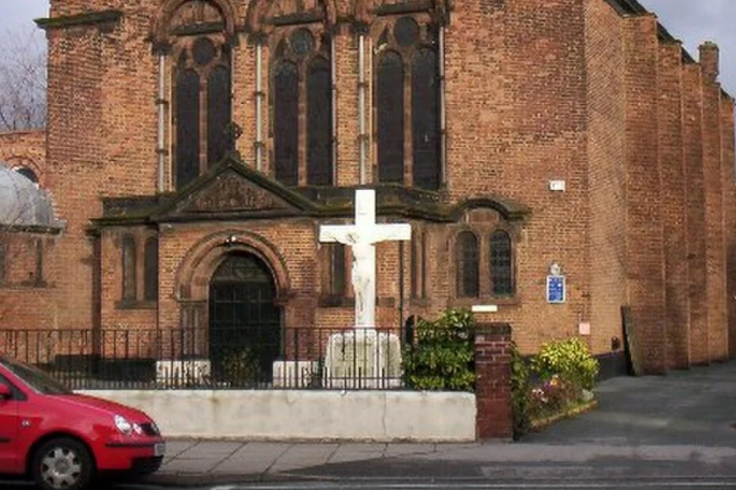
Cheshire Police confirmed on Tuesday, 3 November 2026, that a 42-year-old man had been detained under the Mental Health Act following the destructive desecration of the UK's historic war memorial at St Alban's Catholic Church in Warrington.
The incident, discovered by a parishioner on Sunday morning ahead of upcoming Remembrance Sunday commemorations, resulted in the decapitation of a sculpted stone figure of Jesus Christ mounted upon an outdoor crucifix, alongside offensive anti-Catholic graffiti sprayed directly across a memorial plaque honouring local parishioners who fell in both world wars.
A member of the congregation found the memorial damaged at 9.23am on 1 November. Parish priest Canon Christopher Cunningham described the incident as 'true persecution' in a Facebook video.
With restorative conservation specialists assessing the fractured stonework, detectives continue appealing for local intelligence across Cheshire to determine whether separate regional property damage reports are linked to the weekend attack.
Police Identify Suspect Following Warrington Church Vandalism
Cheshire Constabulary announced the detention on Tuesday following what Chief Inspector Joseph McNally called an 'extensive and fast-moving investigation'. The police statement did not announce a criminal charge or identify the detained man.
Detention under the Mental Health Act is not a criminal conviction or a finding of guilt. The police update did not explain the circumstances behind the detention or establish any connection between mental health and the damage.
Investigators believe the memorial may have been damaged between 6pm and 10pm on Friday, 30 October. Officers also recorded several other incidents in the surrounding area, although police have not established whether those events were connected.
The force had released a CCTV image of a man it wanted to speak to on Monday, 2 November. That appeal preceded Tuesday's announcement that a suspect had been identified.
McNally said he hoped the latest development would offer reassurance to the community. 'We understand the concern this incident has caused within the community,' he said, referring to the effect on parishioners and residents.
Earlier, he condemned the vandalism of a memorial honouring those who died in military service. 'Places of worship should be safe and welcoming environments,' he said.
ITV News reported that police were treating the vandalism as a hate crime. However, the constabulary's published statements did not expressly confirm that classification, and investigators have not publicly established a motive.
Warrington Church Vandalism Casts a Shadow Over Remembrance Sunday
The destruction has cast a sombre shadow over the parish as members of the congregation prepare for Remembrance Sunday services on 8 November.
The government has scheduled the national service at the Cenotaph in London, while St Alban's faces the immediate task of caring for a damaged memorial to its own war dead.
Cunningham urged parishioners to 'stick together' during Sunday Mass. A church volunteer subsequently removed the offensive graffiti from the plaque, according to the priest's account.
The names inscribed on the defaced war memorial represent deep generational roots that connect the parish to historic military campaigns across the globe.
Research by the Bewsey Local History Group, published by Warrington Museum and Art Gallery, traces the lives of St Alban's parishioners commemorated for their service in both world wars.
The project's First World War records identify soldiers whose lives stretched from Warrington's streets and workplaces to battlefields abroad. Some entries also acknowledge uncertainty in surviving historical records.
The church's history stretches back further. According to the Catholic heritage project Taking Stock, Benedictine monks established the Warrington mission in 1772. The present Grade II listed church was built in 1823, with a sanctuary designed by Peter Paul Pugin added in 1893.
The parish's origins therefore predate its current building, while the war memorial represents a later chapter in the same community's history.
In its earlier appeal, Cheshire Police asked anyone with information to call 101, quoting reference IML 2449856. Information can also be submitted anonymously through Crimestoppers on 0800 555 111.
Parish trustees have not confirmed an official timetable or budget for restoring the damaged crucifix before national commemorations commence.
© Copyright IBTimes 2026. All rights reserved.