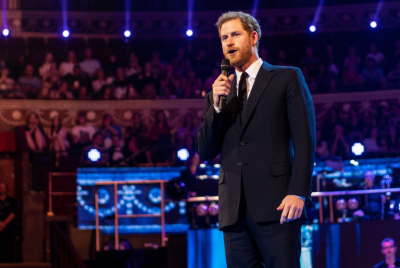
'He Bit Off More Than He Could Chew'—A Closer Look at Harry's Royal Meltdown
A 2026 biography by Hugo Vickers reveals the heart-breaking final years of Elizabeth II as she reportedly 'distrusted' the Duke of Sussex following his move to California

Prince Harry has been accused of underestimating the consequences of his exit from the British monarchy in a scathing new biography.
In his April 2026 release, Queen Elizabeth II: A Personal History, veteran historian Hugo Vickers suggests the Duke of Sussex 'bit off more than he could chew' by marrying the American actress and attempting to reinvent himself as a global media mogul.
The book, which draws on 60 years of royal observation, claims that the Prince Harry royal rift was exacerbated by a series of impulsive decisions that left the late Queen feeling deeply betrayed.
According to Vickers, the monarch's distrust grew so acute that she eventually refused to take her grandson's phone calls unless a lady-in-waiting was present to witness and record the conversation. This revelation adds a chilling layer to the Sussexes ' royal exit in 2020, framing it as a personal tragedy that haunted the Queen's final years.
A Marriage That Upset Royal Protocol
When Prince Harry and Meghan Markle married at Windsor Castle in May 2018, the event was hailed by supporters as a modernising moment for the monarchy, blending tradition with contemporary culture. Yet, according to Vickers, Harry's decision to forgo caution and marry swiftly may have sown early seeds of discord. Vickers asserts that Queen Elizabeth II advised the couple to take more time before tying the knot, suggesting that the whirlwind romance was moving too fast.
Despite that purported caution, Harry pressed ahead with the plans, cementing his commitment to Meghan in a ceremony that drew global attention. That bold step was celebrated by fans and media alike, but insiders argue that it also marked a turning point in Harry's relationship with the institution he once served.
Strained Ties With the Queen
The relationship between Prince Harry and his grandmother, the late Queen Elizabeth II, has been widely discussed in recent weeks as Vickers' book draws fresh scrutiny. The biographer claims that, following the couple's highly publicised exit from frontline royal duties in 2020, the Queen became increasingly guarded, at times refusing to take Harry's calls without a witness present.
This reticence, reportedly stemming from hurt and distrust, reflects the strain not just between Harry and the wider family but also the monarchy's leadership. Vickers' account paints a picture of a monarch who, in her later years, felt betrayed by a grandson who appeared unwilling or unable to reconcile private obligations with public expectations.
Such portrayals have certainly contributed to a public perception of Harry as isolated from the institution that once defined his identity.
The Sussexes' Departure and Its Fallout
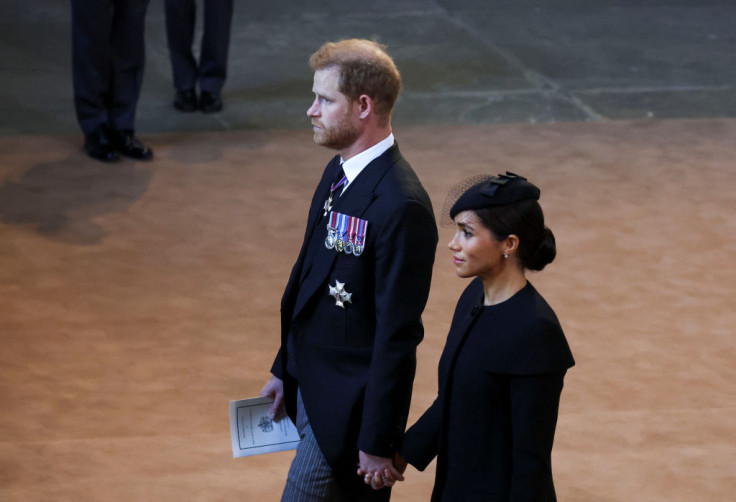
After stepping back from senior royal duties in 2020 and relocating to California, Harry and Meghan have pursued a variety of commercial projects and media deals. Their move, initially framed as a bid for independence, was nevertheless seen by many critics as a sharp departure from tradition and duty.
Indeed, their media ventures, such as the $100 million Archewell Productions deal with Netflix, have faced setbacks and waning interest, prompting industry insiders to question the longevity of their star power outside the institutional support of the royal brand.
This context of professional challenges feeds into the narrative that Harry may have underestimated both the rewards and complexities of life outside the royal fold.
The Rift With the Wider Family
The political and emotional fallout from Harry and Meghan's departure has also played out within the royal family itself. Their exit was not merely a reshuffling of duties but arguably a rupture in the bonds between the Duke of Sussex and his closest relatives. Prince William and Harry, once famously close, have remained estranged for years, with deep wounds over personal grievances and differing visions of royal life.
Royal correspondence and media speculation suggest that efforts at reconciliation have been intermittent and largely unfruitful, contributing to a sense of detachment between Harry and other senior royals.
That estrangement, coupled with ongoing legal battles and public disputes over privacy and media treatment, has compounded the public image of a prince at odds with his institution.
A Personal Journey With Public Consequences
Whether one views Vickers' portrayal as fair or overly critical, it undeniably highlights a broader tension at the heart of the Sussexes' story: the collision between private ambition and the weight of centuries‑old tradition. Harry's choice to marry for love, prioritise personal fulfilment, and seek independence from the monarchy's strictures has been both celebrated and criticised, often with equal fervour.
Yet for all the speculation, the couple themselves have emphasised their commitment to their family and shared work outside royal duties. Statements from their representatives over the years stress the value they place on personal agency, family life, and purposeful engagement with global issues.
Ultimately, the narrative of 'biting off more than he could chew' serves as a prism through which commentators interpret a complex and evolving chapter in royal history, one in which the Duke of Sussex's search for meaning beyond tradition continues to provoke debate, reflection, and intense public interest.
© Copyright IBTimes 2026. All rights reserved.
- Recommended For You