Rachel Reeves Rakes In Record £94bn In Tax But Still Forced To Borrow Billions More
Record revenues expose the fragile balance between growth, borrowing and business confidence
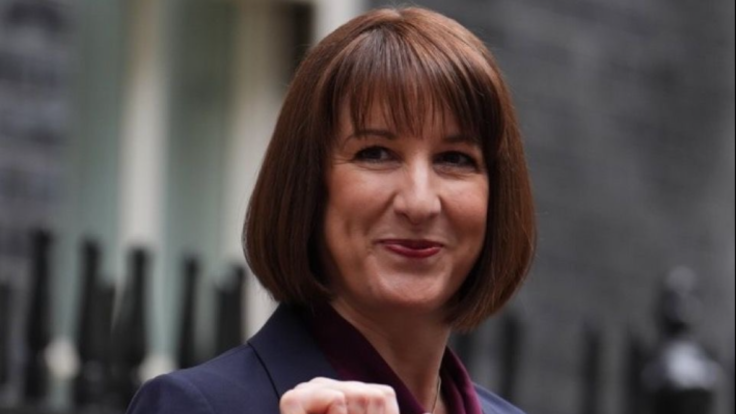
Chancellor Rachel Reeves is facing a defining test of her economic strategy after record tax receipts failed to close the gap in the public finances. Despite pulling in an estimated £94 billion, borrowing remains necessary as pressures mount on businesses and households.
The figures underline a growing tension at the heart of Reeves' agenda. Higher taxes are delivering revenue, but not enough to offset slowing growth, rising costs and the demands of public spending.
As the Chancellor courts global investors and promises long-term renewal, critics warn that short-term pain is hitting shop floors, pubs and supermarkets across the country.
Businesses Feel the Weight of Rising Costs
Major British employers have openly raised concerns about the impact of recent tax and policy measures. Retailers including Currys and Morrisons, along with hospitality giant JD Wetherspoon, have warned that higher costs risk being passed directly to consumers, The Independent noted.
Industry leaders say wage pressures, energy costs and tax changes are squeezing already thin margins. Some have cautioned that investment decisions and hiring plans could be delayed if the environment becomes less predictable.
The Treasury has defended its approach, arguing that stability and fiscal responsibility are essential to restoring confidence.
Record Tax Take, Persistent Borrowing
Government data show the Express that it is collecting more tax than ever before, yet borrowing continues to run into the billions. Analysts say the gap reflects sluggish productivity growth and the long shadow of post-pandemic spending.
Opposition voices have seized on the figures as evidence that Reeves' strategy is not delivering relief fast enough. They argue that businesses are being asked to shoulder too much of the burden.
The Chancellor has countered that tough choices are unavoidable if Britain is to rebuild its economic foundations.
Private Investment Brings a Vote of Confidence
Reeves has pointed to new investment commitments as proof that her strategy is working. At the World Economic Forum Annual Meeting 2026 in Davos, Switzerland, she announced £1.5 billion in new private investment deals, describing them as a vote of confidence in the UK economy, as the UK Government cited.
The deals span clean energy, advanced manufacturing and infrastructure. Treasury officials say they demonstrate that global investors still see Britain as a competitive and stable destination.
Supporters argue that these investments could help ease long-term pressure on the public finances.
UK–US Ties Remain Vital
Reeves has also sought to reassure markets by stressing the strength of Britain's relationship with Washington. Speaking to CNBC, she described the United States as the UK's 'closest of allies' amid ongoing discussions around trade and tariffs.
The comments were aimed at calming fears that global trade tensions could further strain the economy. Business groups say certainty in UK–US relations remains critical for exporters and investors alike.
Any disruption, they warn, would add to the challenges already facing firms at home.
North of England Pushed to the Fore of Net Zero Plans
Alongside fiscal pressures, Reeves is under growing pressure to deliver regional growth. Environmental and economic groups have urged her to place the north of England 'front and centre' of the UK's net zero strategy, The Guardian reported.
The proposal links climate goals with job creation in former industrial areas. Supporters say targeted investment could help offset the pain of higher taxes by delivering visible local benefits.
For communities struggling with rising costs, the promise of renewal cannot come soon enough.
A Balancing Act With Little Room for Error
Reeves' challenge is clear. She must convince businesses and voters that today's strain will lead to tomorrow's stability, while keeping borrowing under control.
With tax receipts at record levels and pressure building on multiple fronts, the Chancellor's room for manoeuvre is narrowing.
© Copyright IBTimes 2026. All rights reserved.
- MOST POPULAR IN National