Brexit 2.0? Why the UK Is Reaching Breaking Point Amid Immigration, Economic Strain and Political Division
Rayner's 'un-British' warning exposes a widening division inside Labour as pressure mounts on Starmer.
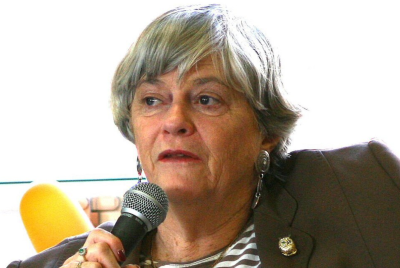
Is the UK ready for Brexit 2.0? Political divisions have resurfaced as pressures from immigration, economic strain and lingering Brexit tensions collide. Former deputy prime minister Angela Rayner has issued a direct challenge to the government's direction and tone, attracting widespread attention.
What once seemed settled after the 2016 vote now feels far less certain. Her remarks have struck a nerve across Westminster, where unease has been quietly building for months. Rising Channel crossings, stretched public services and persistent cost of living pressures have left many feeling that old divisions never truly disappeared.
At the heart of it is a growing concern that the country is drifting into another identity crisis shaped by questions around borders, trust and economic anxiety. For many, this is no longer just a policy debate but a question of what kind of nation Britain wants to be.
Rayner's Stark Warning on 'Un-British' Immigration Plans
Angela Rayner has broken ranks in unusually blunt terms, describing proposed immigration measures as 'un-British' and 'a breach of trust,' and warning they could damage the country's moral standing.
Her intervention comes at a sensitive moment. Some reports suggest she has been weighing her choice of chancellor should she replace UK prime minister Keir Starmer in the coming months, according to the Financial Times. Labour has tried to balance tougher border controls with a more humane image, but that balance is becoming harder to maintain.
Rayner's comments point to unease within the party over policies that echo language more often associated with right-wing rivals. Her allies say that chasing hardline voters risks alienating Labour's core base as well as younger and more liberal supporters. They added that Rayner's criticism was simply a strategic move.
The debate has intensified as concern over migration grows, driven by visible Channel crossings and rising pressure on local services. Those close to Rayner insist that tone matters as much as policy, warning that language can shape how the country sees itself.
Border Chief Exits as Crossings Continue
The pressure intensified this week with the expected resignation of UK border security commander Martin Hewitt, who will step down at the end of the month after failing to curb small boat crossings.
Hewitt, appointed in October 2024 with three decades of policing and crisis management experience, had been tasked with restoring control and rebuilding public confidence. Instead, crossings continued at pace, turning his role into a focal point for criticism.
As reported by The Sun, the failure to stop the boats became a growing political liability, with frustration building inside government over the lack of progress.
His departure leaves a gap at a critical moment and raises wider questions about whether enforcement alone can resolve what many see as a complicated, cross-border issue involving organised smuggling networks and international cooperation.
Following Hewitt's exit, former Royal Military Academy Sandhurst commandant Duncan Capps will take on the role on an interim basis. Capps is currently serving at the Border Security Command.
Starmer Under Pressure to Rethink Brexit limits
While immigration dominates headlines, another debate is unfolding more quietly behind closed doors. Prime Minister Sir Keir Starmer is facing increasing calls to revisit Labour's Brexit position.
According to a separate report from the Financial Times, senior figures want him to drop key 'red lines,' including the refusal to rejoin the EU customs union or single market, and continued opposition to free movement.
The pressure comes as Labour tries to win back Green voters and set itself apart from both the Conservatives and Reform UK. Reform UK, as reported by Reuters, has sharpened its focus on deportations and national identity, pulling the wider debate further to the right.
Starmer's cautious approach reflects the political risks involved. However, critics within his own party argue that sticking too firmly to Brexit boundaries could limit economic recovery and reduce room for strategic manoeuvre and flexibility.
Reeves Signals Shift Towards Europe
Chancellor Rachel Reeves has already begun to test those limits. In what one minister described as 'the most pro-European speech' by a cabinet figure in a decade, she signalled a willingness to align more closely with EU rules.
Reeves argued that closer alignment could support trade and ease economic pressure, particularly for businesses still dealing with post-Brexit barriers.
Her approach suggests a gradual adjustment rather than a dramatic shift. Even so, it has prompted debate within Labour over how far the party should go. Some view it as a practical step. Others worry it could reopen divisions that shaped a generation of politics.
Economic Blueprint Aims to Calm Rising Anger
Behind the political clashes sits a deeper concern about living standards. Starmer's ministers are currently working on a new economic plan aimed at easing frustration over the cost of living, set against the background of growing global economic volatility linked to the Iran war.
According to The Guardian, the plan is meant to address rising anger that could otherwise drive support for far-right movements ahead of the next election.
The strategy focuses on longer-term reform, but critics say voters are looking for more immediate relief. Rising bills and stagnant wages continue to weigh heavily, tying economic concerns closely to debates on immigration.
For Labour, the risk is clear. If people do not see tangible improvements soon, disillusionment could push some voters towards more extreme alternatives.
A Country at Another Crossroads
Taking these issues altogether, these developments point to a country once again at a crossroads. Rayner's warning, Hewitt's departure and the growing calls to rethink Brexit policy are not isolated moments. They reflect a broader unease about direction, identity and trust.
Britain is not reliving Brexit, but many of the same tensions are returning in different forms. This time, the challenge may be even sharper, with economic pressure and political fragmentation leaving less space for compromise. The question now is not whether the debate will intensify, but whether any leader can hold it together.
© Copyright IBTimes 2026. All rights reserved.
- MOST POPULAR IN National