

RAM Prices Surge as Soaring Demand From AI Giants Like OpenAI Pushes Costs Higher
The AI push is causing RAM prices to rise up and consumers are feeling the most of it.
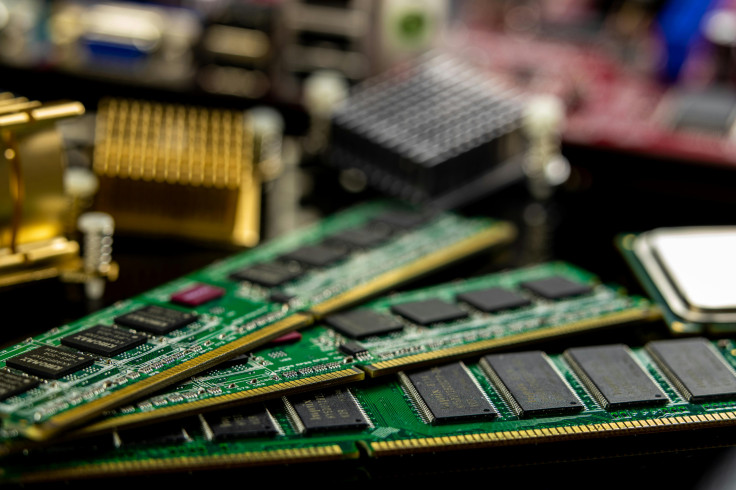
RAM prices are rising at a rapid pace worldwide, and analysts warn the trend is far from over. Consumers can feel their wallets tightening up when upgrading their PCs or when buying a new smartphone.
Several factors are driving the price spike, but many analysts believe it's the rapidly growing AI industry that's doing the most damage.
AI Boom Reshapes a Once-Stable Memory Market
Tech giants like OpenAI, Google, and Meta are in a race to accelerate their AI solutions, doing so through vast data-centre infrastructure, according to TechRadar. As these contenders race to the finish line, the world's memory supply chain is being reconfigured around AI-first demand with costly consequences for everyone else.
AI relies on GPUs fed by enormous quantities of high-speed RAM. Modern AI accelerators use High Bandwidth Memory (HBM), which is a specialised type of DRAM stacked for extreme speed.
HBM and consumer RAM share the same production ecosystem. Every wafer used for HBM is a wafer not used to manufacture DDR5 for PCs or LPDDR5 for smartphones. Major memory producers like Samsung, SK Hynix, and Micron are now prioritising HBM and server-grade DDR5 to meet the high demand for AI solutions.
The trend is hitting both consumers and companies alike. For instance, Samsung declined a RAM supply request from its mobile division to protect its semiconductor margins. Micron, on the other hand, declared that it is stepping down from its Crucial-branded consumer RAM and SSD products.
AI Projects Like OpenAI's 'Stargate' Divert Global RAM Supply
Tom's Hardware reports that, in October, nearly 40% of global DRAM output was diverted to a single AI initiative: OpenAI's massive 'Stargate' supercomputing project. With two out of the three dominant RAM makers locked into such large-scale AI contracts, the market was already bracing for a consumer shortage as autumn began.
The reaction from consumers was quick, and people flocked to forums to report that some prices hit four-figure territory on Black Friday, which was expected to be the best time to buy things like RAM.
RAM Prices Across Retailers Are Now Shooting Up
RAM used to be one of the most affordable PC components. Intuition Labs noted that the 16GB DDR5 contract was only $6.84 (£5.14) last September. However, prices shot up to an average of $27.20 (£20.40) by December, representing a nearly 300% increase in three months.
On the other hand, spot-market quotes for standard DDR5 16GB modules rose from $7–8 (£5.25–6.00) in September to $13+ (£9.75+) in November.
The dramatic increase has led some consumers to start hoarding RAM and related devices in anticipation of a later profit. However, some stores, like those in Japan, have begun limiting purchases per consumer to prevent this, reports Akiba PC Hotline (as per Tom's Hardware).
This is not Bitcoin or a memecoin
— naiive (@naiivememe) December 5, 2025
this is Ram price pic.twitter.com/pmC2B6kFoT
Many are now worried that the market hasn't even hit a price ceiling. More companies are shifting towards an AI-driven approach over the next couple of years, which could lead to further price increases. For now, those looking to build PCs might want to plan and start getting new RAM while prices are still relatively low.
© Copyright IBTimes 2026. All rights reserved.