

How British SMEs Are Winning Customers Abroad and Choosing the Right Payment Partner

British SMEs are building businesses that span continents, selling everything from artisanal crafts on Etsy to tech accessories across Amazon, TikTok Shop and Shopify.
But here's the problem: cross-border payments are still an absolute nightmare.
At IBT, we've watched businesses hemorrhage thousands in hidden FX fees while their founders thought they were getting "competitive rates." The infrastructure gap between ambition and execution in international commerce remains staggering, and it's costing British SMEs more than most realise.
While traditional banks fumble international transfers with archaic systems, a new class of payment providers is fighting to solve what legacy finance can't.
The Payment Infrastructure Wars: What Is The True Cost Of Globalism In 2026?
Traditional banking rails weren't built for the speed modern e-commerce demands. Recent Federal Reserve research on payment systems reveals that cross-border transaction costs have declined only marginally over the past decade, despite massive technological advancement.
According to World Bank data, the global average cost of sending £200 internationally still hovers around 6.25% when you factor in all fees. For businesses regularly moving tens of thousands of pounds internationally, this can have catastrophic effects.
For example, a Shopify seller in Manchester paying a supplier in Shenzhen, China – juggling pounds, dollars, and yuan – will see legacy banking infrastructure collapse under its own weight, and profit margins lost to currency fluctuations and high FX fees.
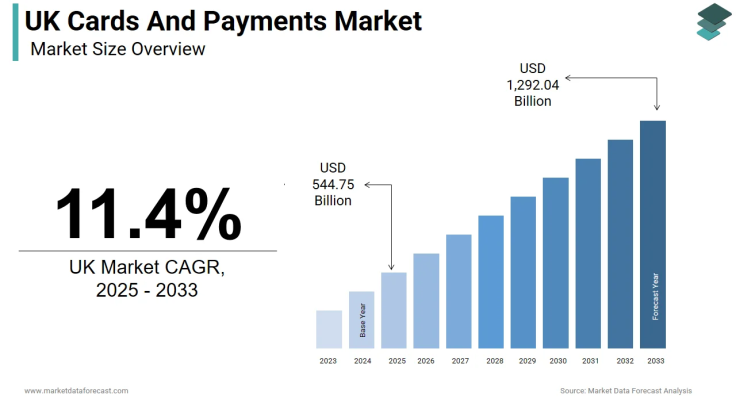
Every basis point eaten by bad exchange rates or processing lag is cash that could fund the next product line, or plug the 'capital gap' for seasonal businesses.
WorldFirst has been playing in this space since 2004 – building simplified global payment infrastructure for SMEs that need to make regular international business payments. Joining Ant Group in 2019, they are now part of one of the most powerful FinTech companies in the world, giving British SMEs access to a global payment platform few others can match.
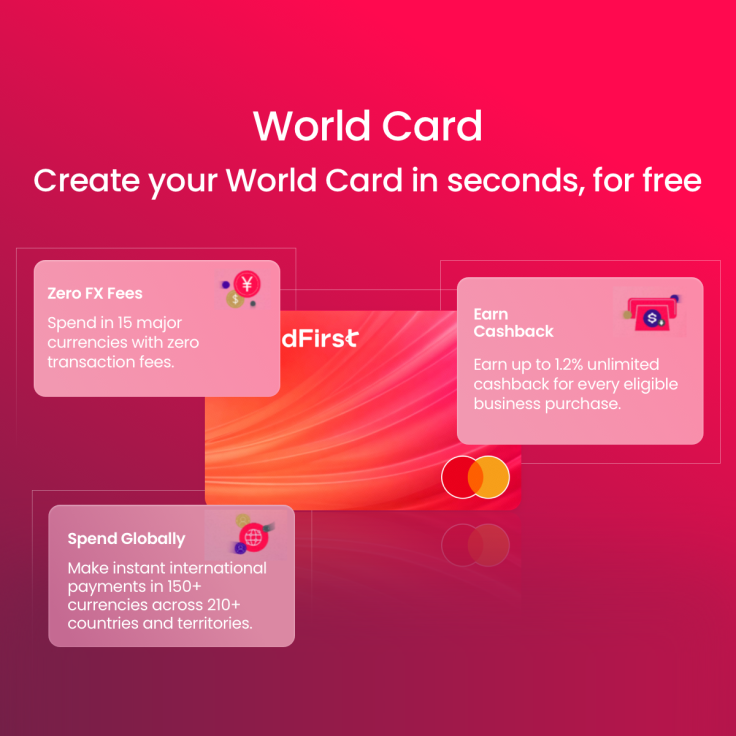
In 2026, their pitch remains straightforward: a multi-currency account that's free to open and maintain with local receiving details in 20+ currencies, and payment capabilities across 210+ countries in 150+ currencies. Not to mention FX tools that can lock rates for up to 24 months, a free virtual card with 0 FX fees for 15 major currencies, and up to 1.2% unlimited cashback on eligible business spend.
Where this starts to matter is how those features translate into day-to-day control over FX costs and payments. Instead of converting funds immediately, businesses can receive and hold foreign currencies, choose when to convert, and pay in the same currency to avoid unnecessary conversions.
Plus, throughout 2026 every new customer will get a 40% discount on their FX transaction fees for 180 days, no matter how many transactions they make.
But if you're comparing the market, there are other options to choose from, too. It's worth noting that when looking at comparisons, feature counts can provide a useful snapshot, but the real value lies in how well a platform will serve your specific business need – from payment speed and partner integrations to specialist support in your key markets.
Comparing Payment Platforms For British SMEs
Wise Business remains one of the more well-known options, with mid-market exchange rates displayed prominently and transparent fee structures.
Wise handles 40+ currencies but lags on marketplace integrations.
Another strong competitor is Payoneer, widely used by Amazon sellers and freelancers. It's good for marketplace payments, even though their FX rates can't compete with platforms like WorldFirst and Wise. Both Wise and Payoneer, however, have received mixed feedback on their customer service experience:Then, there's Revolut Business, a newer player, arriving with consumer-app polish, offering solid rates and crypto capabilities, though customer service, too, is a coin flip.
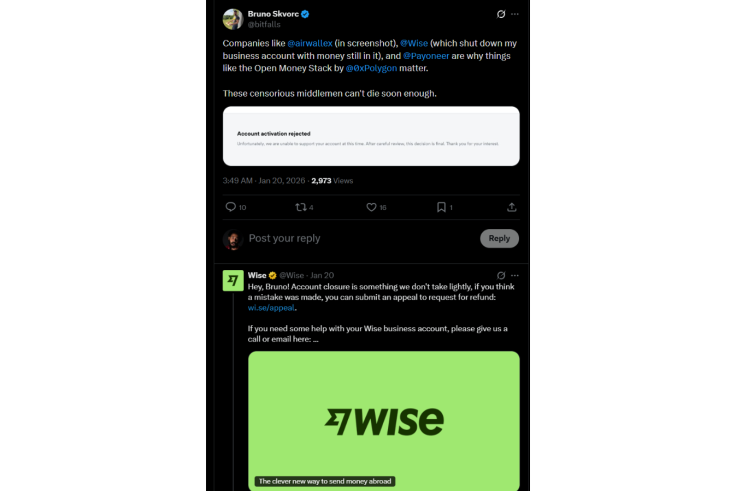
Lastly, Airwallex is geared towards businesses that mostly operate online. Its API-first approach works well for more technical teams, and it has built up a presence in the Asia-Pacific market, with competitive FX rates.
Within this group of payment platforms, WorldFirst stands out for its scale and infrastructure. It supports over 1.5 million customers and has processed over $500 billion in transactions, alongside integrations with 130+ marketplaces, and a broad partner ecosystem across logistics, marketing, compliance, tax, and more.
It's also particularly strong for businesses paying to China. With direct connections to the major banks in China and Hong Kong, UK businesses can send payments in USD or CNH to Chinese suppliers, with funds often arriving the same day. Transfers between WorldFirst customers are free and instant, and more than 150,000 Chinese suppliers already use the platform.
In terms of pricing, new WorldFirst customers in 2026 can access an exclusive FX rate of 0.3% (one of the most competitive rates on the market), with no minimum or maximum transfer limit.
Customer support is also more structured than alternatives like Wise and Payoneer. WorldFirst has 30+ offices worldwide, with real human support accessible via live chat, phone (answered within 30 seconds on average), and email (responses within 24 hours).
When it comes to choosing a payment platform, the right choice comes down to how much control you need over FX costs, where your money moves, and how you want to move it.
© Copyright IBTimes 2026. All rights reserved.