Dave Ramsey Says 'Spend Cash To Save Money' — How One Habit Can Cut Your Spending
Research supports that cash users spend less than card users.


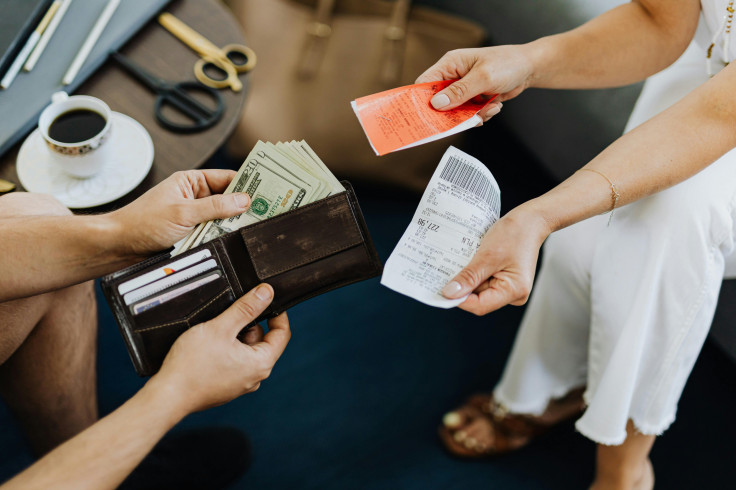
It begins with a small, almost old-fashioned act. A shopper reaches into their wallet, pulls out a few notes, and hands them to the cashier. There is a pause. A moment of hesitation. Then the transaction is done. Personal finance expert Dave Ramsey says that moment carries more weight than many realise.
His argument is simple. If you want to spend less money, start using more cash. It may sound counterintuitive in a world built on digital convenience. However, findings from behavioural economics research point to measurable differences in how people respond to cash compared with digital payments.
Psychology of Spending Pain
In behavioural economics, the concept of the 'pain of paying' refers to the discomfort people experience when parting with money. Cash makes that process more visible.
When physical notes are handed over, the transaction is more noticeable and immediate. There is a clear sense of money leaving one's possession. Digital payments reduce that visibility. A contactless tap or mobile payment creates distance between the act of spending and its impact. This reduced awareness can influence spending behaviour. Ramsey describes this difference directly, arguing that cash creates a stronger emotional response than digital transactions.
Debit Cards vs Credit Cards
Not all non-cash payments operate in the same way. A debit card deducts money directly from a bank account. This immediate withdrawal can help maintain awareness of available funds. Credit cards, by contrast, delay payment. Purchases are made first and settled later, which can reduce the immediate perception of cost. Research in consumer behaviour has found that people tend to spend more when using credit cards compared to cash or debit. Delayed payment can make spending feel less immediate.
Ramsey's view reflects this distinction, noting that while debit and credit cards look similar, they can influence spending decisions differently.
Can Cash Actually Reduce Spending?
Evidence from controlled studies supports this pattern. Research involving the Massachusetts Institute of Technology found that participants were willing to spend more when using cards compared to cash in experimental settings.
Separate research published in the Journal of Consumer Research has found that cash users tend to spend between 12 per cent and 18 per cent less on average. In practical terms, the difference can be significant. A household spending £1,000 per month on discretionary items could reduce spending by approximately £150 with a 15 per cent decrease. Over a year, that equates to £1,800. Over five years, £9,000.
Why This Matters in a Cashless World
Digital payments have expanded rapidly. In both the United States and the UK, contactless transactions account for a large share of everyday purchases. Studies on payment behaviour indicate that increased convenience can lead to higher spending, as transactions require less conscious effort.
With fewer barriers, spending decisions may become quicker and less deliberate. Ramsey's approach highlights how the method of payment can influence behaviour, rather than focusing only on the amount spent.
Practical Application: Making Cash Work Today
Using cash does not require a complete change in financial habits. A commonly used budgeting method involves using digital payments for fixed expenses while allocating cash for discretionary categories.
This approach, often referred to as the envelope system, assigns fixed cash amounts to categories such as groceries, dining, or entertainment. Once the allocated amount is spent, no further spending occurs in that category. It creates a defined limit without relying on digital tracking tools.
The Limits and Risks
Cash has limitations. It does not provide the same level of security, traceability, or convenience as digital payments. It may also be less practical in online or high-speed retail environments.
For some individuals, digital budgeting tools may offer better oversight of spending. The broader point is that different payment methods can influence financial behaviour in different ways.
At its core, Ramsey's message focuses on awareness. Spending decisions are influenced not only by income and expenses, but also by how payments are made. Using cash, even for part of one's spending, can introduce a pause in decision-making. That pause may increase awareness of financial choices. Changes in spending behaviour, even small ones, can affect overall financial outcomes over time.
© Copyright IBTimes 2026. All rights reserved.
- Recommended For You