Why the US Inflation Feels Worse Than 3.8%: The Growing Gap Between Official Data and Real Life Costs
US inflation surges to a new high as rising food and energy costs leave many Americans feeling a far greater cost-of-living squeeze

US inflation has climbed to 3.8 per cent, its highest level since 2023, as the surge marks a sharp acceleration in price pressures, driven largely by rising energy costs linked to global geopolitical tensions and broader supply-side constraints, according to the latest Consumer Price Index data from the Bureau of Labour Statistics.
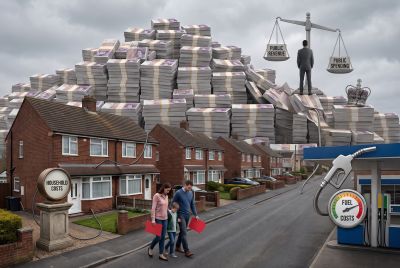
On paper, the figure reflects a moderate but notable uptick in inflation compared with previous months. However, for many households, the lived experience of rising costs appears significantly more severe than the headline number suggests.
Economists say this disconnect between official inflation data and personal financial experience is not new, but it is becoming more pronounced in periods of uneven price growth.
Why Official Inflation and Everyday Experience Diverge
The Consumer Price Index is designed to measure average price changes across a broad basket of goods and services, including housing, food, transport, healthcare, and energy. However, it does not reflect individual spending patterns, which vary widely by income, geography, and lifestyle.
This structural limitation helps explain why many Americans feel inflation is higher than the official 3.8% reading suggests.
According to the US Bureau of Labour Statistics, consumers tend to place greater weight on frequently purchased items such as groceries and fuel when forming perceptions of inflation, even if other categories are stable or falling.
Similarly, research from the Federal Reserve has found that inflation expectations are often shaped more by visible, everyday price changes than by broader statistical averages, creating a persistent gap between perception and measurement.
Energy and Food Costs Drive Emotional Inflation
One of the key reasons inflation feels more severe is the uneven distribution of price increases across categories. In the latest data, energy costs have surged sharply, with gasoline prices rising significantly due to supply disruptions linked to global conflict.
Food prices have also continued to climb, reinforcing pressure on household budgets. Because these are essential expenses, even modest increases are felt immediately by consumers, amplifying the psychological impact of inflation.
Economists describe this as 'salient inflation,' in which highly visible price changes shape public sentiment more strongly than the broader index suggests.
The Hidden Impact of Shelter and Services
Another factor widening the perception gap is housing and services inflation, which tends to build more gradually but has long-lasting effects.
While energy and food dominate public attention, housing costs remain one of the largest components of the CPI basket. Even small monthly increases in rent or mortgage-related expenses accumulate over time, creating a sustained cost burden that households may feel more intensely than the headline inflation rate implies.
Airfare, utilities, and personal services have also recorded increases in recent data, adding further pressure across discretionary and non-discretionary spending categories.
Real Wages and the Cost-of-Living Strain
Recent reporting shows that real wages have struggled to keep pace with inflation in recent months, meaning that even when nominal pay rises, purchasing power can still fall. This dynamic contributes to the widespread perception that inflation is eroding living standards more aggressively than official figures suggest.
Lower-income households are typically the most affected, as they spend a larger share of their income on essentials such as food, transport, and utilities—areas where prices have risen fastest.
Why the Gap Matters for Policy and Confidence
The divergence between inflation statistics and consumer experience has broader implications for economic confidence and policymaking.
If households consistently perceive inflation as higher than reported, it can influence spending behaviour, savings patterns, and expectations of future price growth. This, in turn, can complicate the Federal Reserve's efforts to manage inflation expectations and maintain economic stability.
Recent analysis suggests that consumer sentiment has already weakened as households react to persistent cost pressures and uncertainty over future price movements.
A Statistical Reality vs a Lived Reality
Ultimately, the 3.8% inflation figure represents an average across a complex and uneven economy. For some households, particularly those less exposed to energy and food spikes, inflation may feel relatively contained. For others, especially those facing rising rents, fuel costs, and grocery bills, the experience is far more intense.
This imbalance explains why inflation often 'feels worse' than the headline number, and why the debate over cost-of-living pressures continues long after the data is released.
As economists note, inflation is not just a number; it is a lived experience shaped by which prices rise, how quickly they do so, and how closely they align with everyday spending.
© Copyright IBTimes 2026. All rights reserved.
- Recommended For You