

Nine Bodies Found in Bags and Fabric Across São Paulo Fuel Serial Killer Claims as Police Probe Possible Gang Killings
São Paulo police examine possible gang killings after bodies in bags prompt online claims of a serial killer in the city
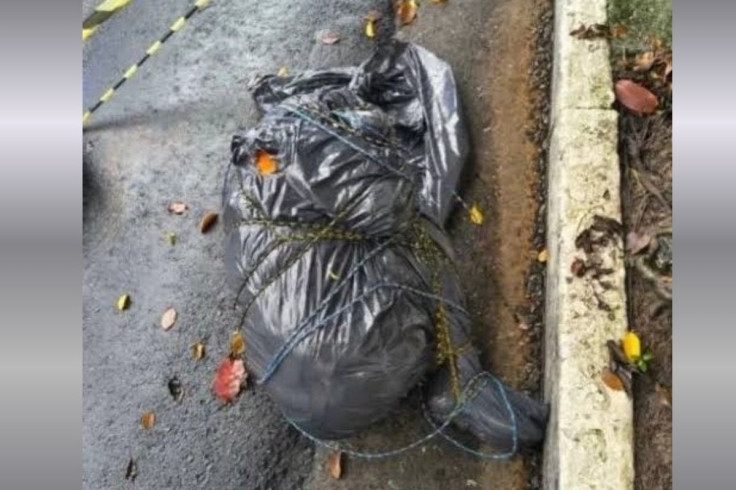
São Paulo Civil Police are investigating nine deaths with possible links to gang-related violence after bodies were discovered across the Brazilian city between early September and October 2026, according to Folha de S.Paulo.
The discoveries prompted speculation on social media about a serial killer, as true-crime profiles gathered details and highlighted similarities between cases. The timing and proximity of some discoveries, together with the bags and blankets described at several scenes, drew comparisons online.
However, the Civil Police and the Public Security Secretariat have found no evidence connecting the nine deaths, with investigators examining different possible motives, including revenge and criminal tribunal killings.
São Paulo Park Death Under Investigation
The latest discovery described in the reports occurred on 2 October in Tietê Ecological Park, in the city's eastern zone. Military police recovered a man's body inside a plastic bag, with his arms and legs bound with duct tape.
An ammunition casing lay nearby. The man was wearing a red T-shirt and grey sweatpants, and a Civil Police report recorded signs of a violent death, according to ND Mais.
The death was registered as a homicide and is also being investigated by the Department of Homicides and Protection of Persons, known as DHPP.
Bodies Discovered Across Several Districts
Sanitation workers discovered the first victim on 5 September in Jabaquara, in the southern zone. The body had been tied up, placed inside a black plastic bag and left at the side of a public road.
On 10 September, two bodies were found in the eastern zone, less than three kilometres (1.86 miles) apart and within 24 hours. In Colônia, a victim was located in a vacant lot, tied up and wrapped in a blanket, with plastic bags covering their head.
That day, a woman was found in Vila Chuca, wrapped in a blanket and inside a plastic bag. Her injuries were consistent with gunshot wounds.
On 19 September, residents found dismembered remains in plastic bags in a hard-to-reach area of Jaçanã, in the north. The victim was identified as Murilo Sanches dos Santos, who had been reported missing.
Investigators located clothing and a knife, and employed abseiling techniques to search the area. The 73rd Police District is handling that case.
🇧🇷A polícia no Brasil encontrou pelo menos 5 corpos embrulhados em plástico, alguns com os membros amarrados, nos últimos 28 dias, alimentando temores de que um psicopata esteja à solta
— Conservatism And Elegance 🇺🇲 (@ThayzzySmith) October 7, 2026
Os policiais estão tratando-os como incidentes separados, no entanto, alegando que embalar… pic.twitter.com/B5OrlSG1cG
Investigators Pursue Separate Leads Amid Online Speculation
The latest reporting by Folha de S.Paulo identifies nine deaths between 5 September and 2 October. Four occurred in the eastern zone, three in the southern zone, one in the northern zone and another in the western zone.
The police timeline includes discoveries on 5, 10, 13, 19, 21, 25 and 30 September, followed by another on 2 October. A tenth case in nearby Itapecerica da Serra is being investigated separately.
Eight of the nine victims have been identified, while the remaining body requires further forensic examination. Investigators have identified suspects in some cases, and preliminary findings point to possible revenge killings or executions ordered by criminal groups.
The similarities between discoveries attracted attention online, where users also questioned the press's coverage of the murders and whether the sequence was receiving sufficient attention. That speculation has not been supported by evidence connecting the deaths, authorities maintain.
Police say the deaths appear unrelated, despite similarities in how some bodies were concealed. Investigators believe the use of bags and fabric may reflect attempts to transport or hide remains rather than evidence of a single perpetrator.
© Copyright IBTimes 2026. All rights reserved.