

Russia's Reported Nuclear Space Weapon Could Threaten Gps as Intelligence Warns of Possible December Launch
The reported Sputnik-S launch has not been independently confirmed, while experts warn a nuclear detonation in orbit could disrupt satellite services and communications
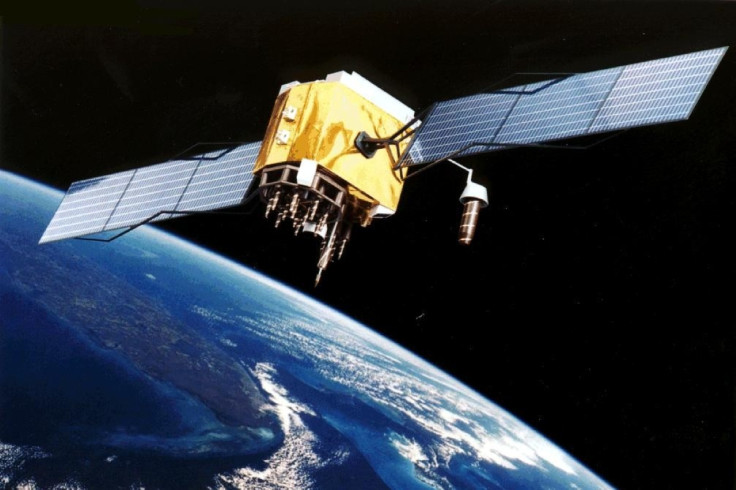
Western intelligence agencies reportedly believe Russia could launch a satellite designed to carry a nuclear weapon as early as December 2026, raising concerns about GPS and communications networks. The warning emerged from a German investigation published on Monday, 23 November.
The news came after intelligence warnings circulated among NATO countries earlier in November, according to German broadcasters NDR and WDR and newspaper Süddeutsche Zeitung. Their investigation identified the alleged spacecraft as Sputnik-S and said it could reach orbit within 60 days.
Germany's military Space Command reportedly considers a December launch possible. Neither an operational nuclear payload nor a launch date has been independently confirmed publicly.
Russia COULD PUT A NUCLEAR WEAPON IN SPACE before the end of 2026, Western intelligence officials warn.
— KyivPost (@KyivPost) November 23, 2026
A nuclear-armed satellite could threaten satellite networks worldwide, according to a German investigation.https://t.co/MVppEht84t
A launch alone would not disable GPS. The concern is that a nuclear detonation in orbit could damage satellites, potentially disrupting services relied upon by civilians and armed forces.
Russia Nuclear Space Weapon Raises Questions Over GPS Disruption
According to the German investigation, Sputnik-S was assembled several years ago and has reportedly remained in the Moscow region. Intelligence agencies suspect Moscow could now be preparing to deploy it.
A nuclear explosion in space could expose spacecraft to damaging radiation and affect communications, weather monitoring and military surveillance. The scale of disruption would depend on the detonation's location and altitude.
WION's Gravitas programme also examined the reported Sputnik-S threat, highlighting concerns that a nuclear detonation in low Earth orbit could create a hazardous radiation belt around Earth.
#Gravitas | Western intelligence agencies warn Russia could launch a nuclear-armed satellite, codenamed Sputnik-S, into orbit by year-end
— WION (@WIONews) November 23, 2026
A new study warns that a nuclear detonation in low Earth orbit could create a deadly radiation belt@MollyGambhir has more pic.twitter.com/l7ROPoT1cX
GPS satellites orbit much higher than many communications satellites. Damage to spacecraft in low Earth orbit, therefore, would not automatically cause GPS failure. Nevertheless, disruption across interconnected satellite services could have consequences beyond the immediate blast area.
The distinction matters for travellers and businesses reliant on satellite technology. A threat to space infrastructure is not the same as evidence that navigation services face an imminent shutdown.
The US Defence Intelligence Agency warned in an October assessment that Russia was developing a satellite designed to carry a nuclear weapon. That broader assessment does not independently confirm the reported December launch timetable.
Article IV of the 1967 Outer Space Treaty prohibits placing objects carrying nuclear weapons or other weapons of mass destruction in Earth orbit. The treaty does not, by itself, establish whether the reported satellite exists or carries a weapon.
Russia Nuclear Satellite December Launch Claim Faces Kremlin Rejection
Kremlin spokesman Dmitry Peskov dismissed the allegations on Monday, 23 November. He questioned claims reliant on unidentified sources and said the reports contained too many qualifications to be taken seriously.
Russia has previously rejected suggestions that it intends to station nuclear weapons in space. President Vladimir Putin reiterated that position in February 2024 during a meeting with then-defence minister Sergei Shoigu.
The Russian Embassy in Berlin also rejected the German investigation, describing its allegations as part of a propaganda campaign. It maintained that Russia's space activities complied with international obligations and served peaceful purposes.
Bleddyn Bowen, a researcher at Durham University's Space Research Centre, told Bloomberg that an orbital nuclear attack could also damage Russian interests. Moscow depends on satellites for military and civilian purposes.
'Russia, too, stands to lose the use of very useful military and civilian satellite infrastructures in such a scenario,' Bowen said.
The reported December window remains an intelligence assessment, not a launch announcement. German reporting says military experts have briefed government officials about Sputnik-S, but Russia has disclosed no corresponding launch plans.
© Copyright IBTimes 2026. All rights reserved.