

Scammer Posing as Christian Missionary Allegedly Convinces 72-Year-Old to Mail $220K Cash Across US
The scam involved false promises of marriage, a fake UN payout, and cash parcels, echoing FBI warning signs
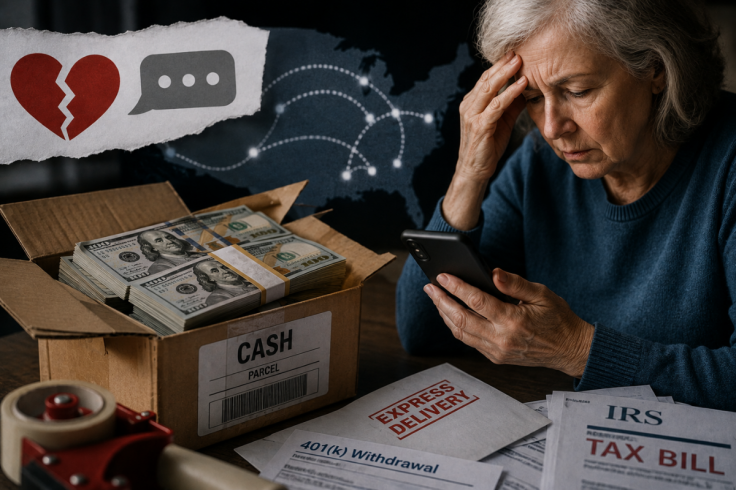
A scammer posing as a Christian missionary allegedly persuaded a 72-year-old woman to mail $220,000 (£166,000) in cash through UPS to multiple addresses across the United States, according to an online post written by a person identifying themselves as her child.
The family said the scammer claimed to be affiliated with Doctors Without Borders and told the woman he was due to receive a $1 million payment from the United Nations, but needed financial help until the money arrived. They now believe the story formed part of a sophisticated romance scam. The Federal Bureau of Investigation (FBI) says fraudsters commonly invent overseas jobs, financial windfalls, or emergencies to persuade victims to send money.
The post also alleged that the woman lost around $300,000 over the past 12 months through multiple scams, including the $220,000 sent in cash parcels. Her child said she withdrew money from her retirement savings, leaving her with substantial financial losses and a significant tax bill.
How the Alleged Scam Worked
According to the family, the scammer developed a romantic relationship with the woman through Signal, Telegram, and WhatsApp before asking her for financial help. Rather than requesting a bank transfer, he allegedly instructed her to withdraw cash, divide it into several packages, and send the money through UPS to different addresses across the country.
The family said the delivery addresses later disappeared after conversations on the encrypted messaging apps were deleted. The alleged requests closely mirror tactics described by the FBI, including promises of marriage, fabricated financial windfalls, and urgent requests for money designed to build trust before exploiting victims.
Why Cash Parcel Requests Are a Major Red Flag
Consumer fraud specialists say requests to mail cash are among the clearest warning signs of a scam because cash is difficult to trace or recover once it has been delivered. The FBI warns that romance scammers frequently pressure victims to act quickly while discouraging them from discussing the relationship with friends or relatives.
Many also move conversations away from dating websites and onto encrypted messaging services, making their activity harder to detect. Using multiple delivery addresses, as alleged in this case, can further complicate efforts to trace where the money ultimately ends up.
Doctors Without Borders Warns About Impersonation Scams
The alleged scheme also resembles fraud warnings issued by Doctors Without Borders, also known as Médecins Sans Frontières (MSF). The humanitarian organisation says it has received reports of criminals falsely claiming to represent MSF on social media, email, and messaging platforms.
It stresses that genuine staff never ask members of the public to send money for travel, medical treatment, personal emergencies, or mission-related expenses because those costs are covered by the organisation. The organisation advises anyone contacted by someone claiming to represent MSF and requesting money to treat the approach as a likely scam.
How to Spot and Avoid a Romance Scam
The FBI says romance scammers typically create fake online identities, establish emotional relationships quickly, and make long-term promises before requesting money. They often claim to work overseas to explain why they cannot meet in person, then invent medical emergencies, travel problems, or delayed payments to persuade victims to send funds.
The agency advises people never to send money, cash, or financial information to someone they have only met online. Anyone who believes they have been targeted should stop all contact immediately, preserve messages and payment records, and report the incident to the FBI's Internet Crime Complaint Center (IC3).
Although the family's account has not been independently verified, the alleged scheme closely matches warning signs identified by both the FBI and Doctors Without Borders, illustrating how scammers can exploit trust, emotional attachment, and false promises while falsely claiming to represent respected organisations.
© Copyright IBTimes 2026. All rights reserved.