Fake Sheriff Captain's $2,400 Con Backfires Spectacularly: 'I'm a Police Officer, You're Full of S**t'
Veteran officer records scam call, highlights the dangers of government impersonation frauds
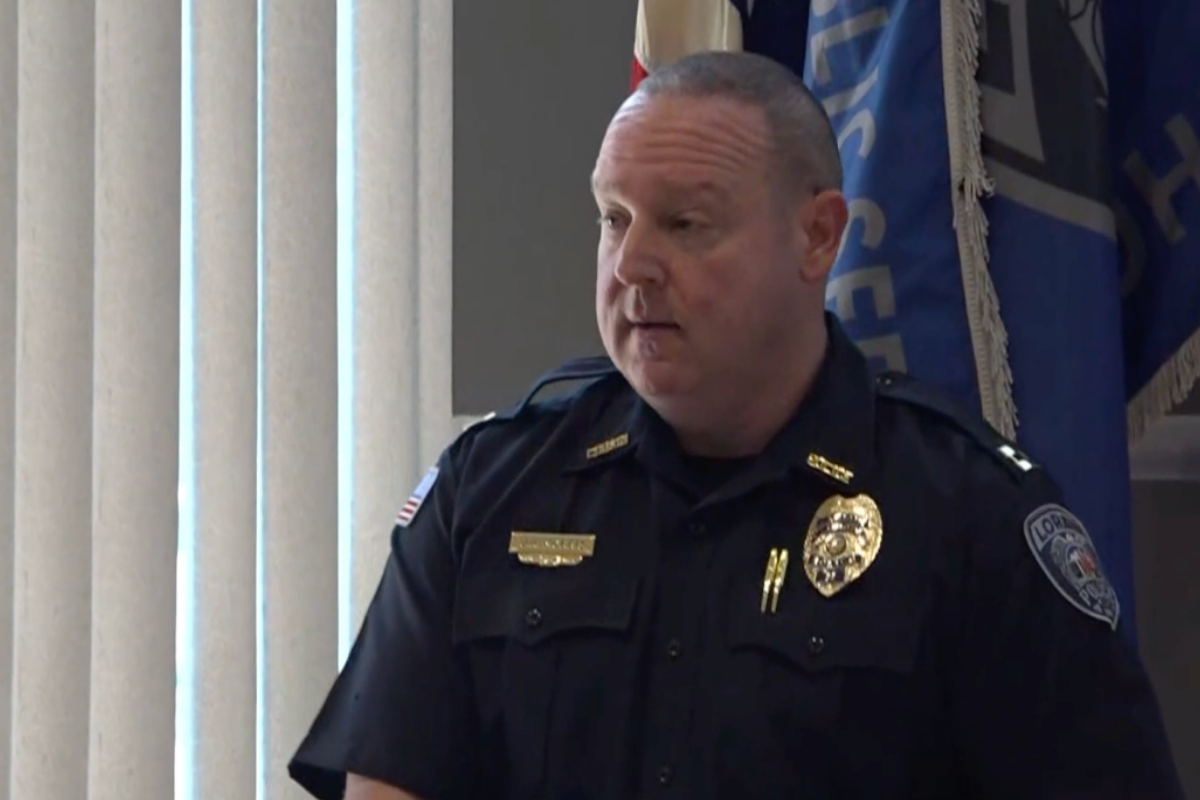
A phone scammer demanded $2,400 (£1,800) to clear a fake arrest warrant. His target turned out to be a serving police captain, who recorded the entire call.
Jacob Morris, a 16-year veteran of the Lorain Police Department in Ohio, took a call from a man claiming to work for a neighbouring sheriff's department. 'How you doing? This is Captain Michael, Medina County Sheriff's Department warrant division,' the caller began. He told Morris he had missed jury duty, that a warrant was about to be issued for his arrest, and that the matter could be settled with a single payment.
One giveaway came almost at once. The caller could not correctly pronounce Medina, the Ohio county he claimed to represent.
Morris let him keep talking. 'He was very slow to get to the whole you need to pay this amount of money to stay out of jail,' the captain said of the pitch. The offer, when it came, was framed as risk-free. 'Essentially it was pay me today, we'll suspend these warrants that are out there and you will get this money back so there's really no risk,' Morris said.
Rather than hang up, he quietly hit record on his personal phone, then told the caller he was himself a police officer and dismissed the demand. Morris said he had captured the full exchange and would pass it to local social media pages and nearby agencies.
'Hopefully, you don't scam anyone else out of any money,' he told the man, before urging him to earn an honest living instead of stealing.
The Money Behind Government Imposter Scams
The sum aimed at Morris was modest next to what these operations take in. Government impersonation ranks among the most common and most expensive frauds in the United States.
Americans reported losing about $920M (£690M) to government impersonators in 2025, up from $789M (£592M) a year earlier, according to the Federal Trade Commission. Imposter scams of every kind were the most reported fraud category, appearing in nearly one in three complaints, and total reported fraud losses hit roughly $16B (£12B) last year, the highest on record.
Older adults are hit hardest. The FTC has tracked a steep rise since 2020 in victims aged 60 and over who lost $100,000 (£75,000) or more, in some cases their entire savings.
How the Fake Warrant Pitch Works
The script Morris heard is a well-worn one. A caller says the target missed jury duty or a court date, claims a warrant has been issued, and insists arrest can be avoided only by paying a 'fine' or 'bond' at once. Fear and urgency do most of the work. Caller ID is frequently spoofed so the number looks like a real sheriff's office or court. Some fraudsters go further, texting over a fake warrant with the victim's own name typed onto it.
Payment is where the money vanishes. Targets are steered toward cash, gift cards, wire transfers or payment apps, all hard to trace and almost impossible to recover once sent. The $2,400 (£1,800) demanded of Morris fits the pattern.
What Real Police Will Never Ask For
Courts summon jurors by post, not by phone, and neither a police department nor a sheriff's office will call to demand money to clear a warrant. The FTC tells anyone who gets such a call to hang up, avoid dialling back the number given, look up the agency's official line independently, and verify the claim. It says people should never pay to avoid an arrest, and should report the approach at ReportFraud.ftc.gov.
The agency has also sharpened its tools. A Government and Business Impersonation Rule, finalised in 2024, now lets the FTC pursue fraudsters who pose as federal agencies directly. Morris turned to a lower-tech defence. He recorded the call and made it public, so others could hear exactly how the pitch sounds.
© Copyright IBTimes 2026. All rights reserved.
- Recommended For You