

Shein Hit by Tariff Shock as Hong Kong IPO Filing Reveals $99 Million Loss
Fast‑fashion giant faces a rare quarterly loss as tariff changes and higher costs collide with its Hong Kong listing plans.
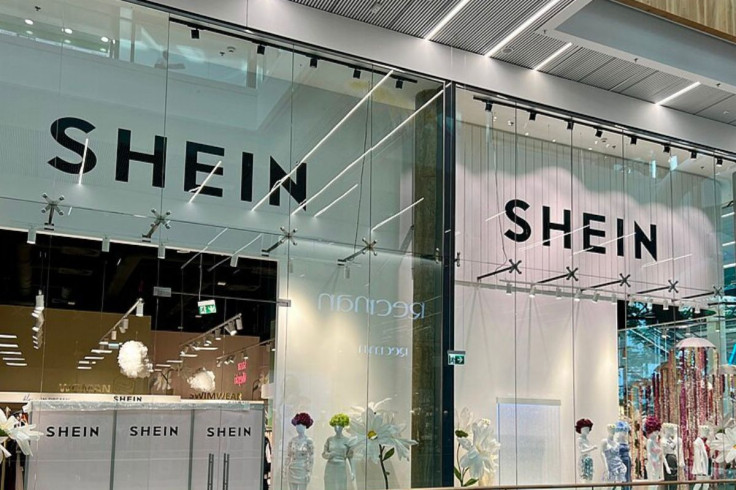
Shein has disclosed a £74.2 million ($99 million) quarterly loss in new Hong Kong IPO filings, laying bare how tougher US tariffs and rising costs are hitting one of the world's biggest fast‑fashion brands. The reversal from a £296 million ($395 million) profit a year earlier lands just as the company prepares a closely watched share sale that could value it in the tens of billions of dollars.
The draft prospectus, lodged with the Hong Kong Stock Exchange, shows Shein's profits coming under pressure after the United States ended duty‑free treatment for low‑value imports and the retailer booked a large accounting charge tied to investor shares. The document details how the end of the de minimis exemption for packages worth up to £591 ($800) from China and Hong Kong has raised the cost of shipping the low‑value orders that underpin Shein's bargain‑app model.
How Tariffs Cut a £296m Profit to a £74m Loss
The IPO documents show Shein swung to a net loss of £74.2 million ($99 million) in the first quarter of 2026, compared with net income of £296 million ($395 million) in the same period of the previous year. The filing says the downturn reflects slowing sales after the US removed the import duty exemption on small packages, alongside a one‑time accounting charge.
The end of duty‑free treatment has increased the cost of shipping low‑value clothing orders into the US, a core part of Shein's cross‑border business. With small parcels from China and Hong Kong now subject to higher tariffs in many cases, the retailer has faced increased import duties on goods sent to American customers.
Shein also records a £245.8 million ($328 million) fair‑value adjustment on convertible redeemable preferred shares – a non‑cash accounting charge reflecting the changing value of investor instruments that will convert to ordinary stock at IPO. The filing notes that the accounting value of these shares can change ahead of a listing, and that this adjustment amplified the hit to the quarter's profit figures.
Despite the loss, the prospectus shows Shein's annual revenue still rising, underlining that the business has not stopped growing but is now doing so on tighter margins. The documents detail how sales climbed to more than £30 billion ($40 billion) in 2025, even as net income fell, indicating that higher costs and one‑off charges are eating into earnings.
Shein's £37bn Valuation Question
Shein's move into loss‑making territory has sharpened focus on the valuation it can command in Hong Kong. Market reports suggest the company is targeting a range of about £30 billion to £37.5 billion ($40 billion to $50 billion), far below the £74.9 billion ($100 billion) figure once discussed when its growth in the US was accelerating.
Investors are likely to focus on how quickly Shein can adjust its pricing and logistics to cope with higher duties and new parcel fees. The combination of tariff pressure and a thinner profit cushion could influence both how cheaply the company can keep pricing its clothes and how much institutions are willing to pay for its shares.
The loss also raises questions over how aggressively Shein can continue to undercut rivals on price. Evidence from previous months has shown American shoppers already seeing price increases on some products after tariff changes, suggesting that at least part of the higher costs has been passed on.
At the same time, the prospectus points to wider challenges beyond tariffs, including rising marketing spending and greater scrutiny of ultra‑fast‑fashion models in major markets. Regulators and campaigners have increasingly focused on the environmental and social impact of cheap, high‑volume clothing, adding another layer of risk that investors must consider as they weigh the Hong Kong float.
Can Shein's Bargain Model Survive the Tariff Squeeze?
The Hong Kong IPO marks Shein's latest attempt to go public after earlier efforts in New York and London stalled amid regulatory and political concerns. Previous reports from Reuters and the Financial Times have said the company shifted its focus to Hong Kong after failing to secure full approval for a London listing and facing scrutiny over its supply chain and data practices.
For now, Shein is pressing ahead with its Hong Kong flotation, banking on demand for exposure to a global online fashion brand despite the latest loss. The IPO will test how much value markets are prepared to place on a retailer whose bargain‑app formula is being reshaped by tariffs, accounting changes and shifting attitudes towards fast fashion.
© Copyright IBTimes 2026. All rights reserved.