Why Is Carl's Jr. Closing? The Real Reason a Major Franchisee Is Selling Dozens of Locations After Bankruptcy
Friendly Franchisees Corporation restructures amid rising costs and declining profitability
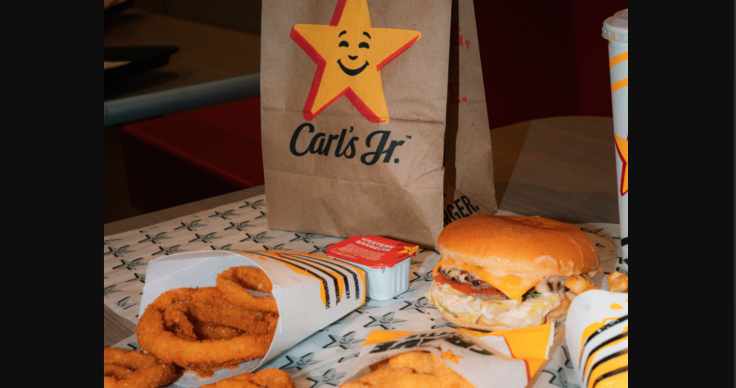
A major Carl's Jr. franchise operator in California is moving to close or sell 59 restaurants after filing for Chapter 11 bankruptcy, in a case that reflects the growing financial pressure facing fast-food businesses across the United States.
Major Carl's Jr. Franchisee Moves To Liquidate 59 Restaurants
The franchisee, Friendly Franchisees Corporation, which operates dozens of Carl's Jr. locations across the state, said it was forced into bankruptcy due to rising operating costs, higher wages, and declining profitability at underperforming stores. According to court filings, the company is now restructuring its business and offloading locations that are no longer financially sustainable.
sourdough star, i believe in you pic.twitter.com/IlLHlkv4BE
— Carl’s Jr. (@CarlsJr) June 6, 2026
Court documents show that the operator has struggled for years with shrinking margins, even as revenue remained relatively strong. One of the biggest pressures has been California's fast-food minimum wage increase to USD $20 per hour, which significantly raised payroll expenses across its 59-store portfolio.
Beyond Bankruptcy: Management, Costs And Competition
The franchisee argues that while sales were steady in some areas, they were not enough to offset rapidly rising labour costs. In addition to wages, the company has also pointed to inflation‑driven increases in food prices, rent, utilities, insurance, and supply chain expenses as key contributors to its financial position.
Industry analysts note that fast‑food operators are being squeezed from both ends: higher costs on one side and weaker customer demand on the other. As menu prices rise to cover expenses, some consumers are cutting back on visits, especially in lower‑income regions where value pricing is critical.
According to one report, the franchisee intends to close 10 restaurants outright while attempting to sell 49 others to new operators in hopes of preserving jobs and keeping some locations open under different ownership.
However, there is no guarantee that all locations will remain open through the transition. Some stores may close permanently if buyers cannot be found or if lease agreements are rejected during bankruptcy proceedings.
The company also cited internal operational challenges, including what it described as insufficient support and innovation from the broader Carl's Jr. brand. Combined with rising competition in California's fast‑food sector, these issues have further strained profitability at certain locations.
What The Closures Mean For Carl's Jr. Customers
Despite the closures, Carl's Jr. as a national brand is not going out of business. The chain still operates more than 1,000 restaurants across the United States and internationally, with the current bankruptcy limited to a single franchise group.
Even so, the situation highlights a broader trend in the restaurant industry. Rising labour costs, inflation, and shifting consumer behaviour have led to a wave of bankruptcies among franchise operators across multiple fast-food brands.
For customers, the impact will vary by location. Some restaurants will shut down entirely, while others may reopen under new ownership if buyers step in. The outcome will depend on how the bankruptcy process unfolds in the coming months.
For now, the case serves as another indication of the financial strain facing restaurant operators in high‑cost states like California, where wage increases and inflation continue to reshape the fast‑food landscape.
© Copyright IBTimes 2026. All rights reserved.
- Recommended For You