

SpaceX Crash Erases Post-IPO Gains, Pushes Elon Musk's Fortune Below $900B: What Went Wrong
SpaceX shares slid as the FAA cleared Starship Flight 13, with investors watching the company's next major milestone

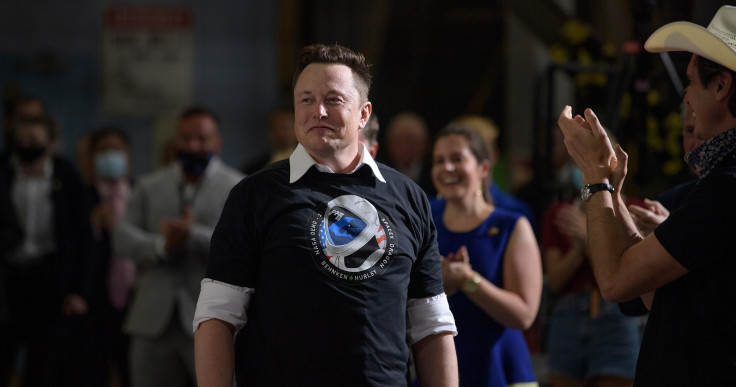
SpaceX shares extended their losses on Monday, pushing the stock close to its initial public offering (IPO) price and erasing nearly all of the gains made after the company's blockbuster market debut just one month ago.
The stock fell 4.24 per cent on Monday after declining 4.51 per cent on Friday. The two-day slide left shares trading near their $135 IPO price and below their first public market trade of $150 on 12 June. The decline also reduced the value of Elon Musk's holdings in the company, pulling his paper fortune below the $900 billion mark after briefly surging following the IPO.
What Went Wrong?
The recent decline appears to reflect a combination of market factors rather than a single company-specific event. One possible explanation is profit-taking after SpaceX's strong post-IPO rally. The shares climbed sharply following their June listing before retreating over the past two trading sessions, bringing the stock back towards its IPO price.
The sell-off also came despite two developments that might otherwise have supported the shares: the company's inclusion in the Nasdaq-100 index and regulatory clearance for its next Starship test flight. Together, those events suggest that recent buying interest was not enough to offset selling pressure as investors reassessed the stock after its early surge.
Nasdaq-100 Inclusion Failed to Halt the Decline
Last week, SpaceX was added to the Nasdaq-100 index, making it eligible for purchase by funds that track the benchmark. The inclusion followed a recent Nasdaq rule change allowing newly listed companies to join the index within weeks of going public rather than waiting for the annual reconstitution.
Although index-tracking funds would have adjusted their portfolios following the addition, SpaceX shares continued to decline during the next two trading sessions.
FAA Clears Starship Flight 13
The market weakness came despite positive operational news from the company. On Monday, the Federal Aviation Administration said it had completed its review of the Starship booster return failure that occurred during a May flight test.
The agency said it had accepted SpaceX's investigation and corrective actions, clearing the company to proceed with Starship Flight 13 once all remaining safety and licensing requirements are met. The launch window is scheduled to open on Thursday at 6:45 p.m. Eastern Time.
Shares Reach a New Post-IPO Low
Monday's decline pushed SpaceX to its lowest trading level since becoming a publicly listed company. The stock is now trading around 7 per cent below its first public market trade of $150, erasing much of the momentum generated by its June debut.
The IPO had briefly lifted Elon Musk's net worth sharply as investors drove the shares higher during the company's first weeks on the public market.
AI IPO Pipeline Remains in Focus
SpaceX's successful listing has renewed attention on other major technology companies expected to enter public markets.
OpenAI and Anthropic have confidentially filed IPO registration documents with the US Securities and Exchange Commission, although neither company has announced a listing date. Speaking to CNBC last week, OpenAI Chief Executive Sam Altman said he did not know whether the company would pursue a stock market listing this year.
Disclaimer: Our digital media content is for informational purposes only and does not constitute investment advice. Please conduct your own analysis or seek professional advice before investing. Remember, investments are subject to market risks, and past performance does not guarantee future returns.
© Copyright IBTimes 2026. All rights reserved.