

AliExpress Hit With €550 Million EU Fine Over Illegal Goods as Counterfeit Products Stayed Online for Weeks
AliExpress faces record penalty under Digital Services Act for compliance failures
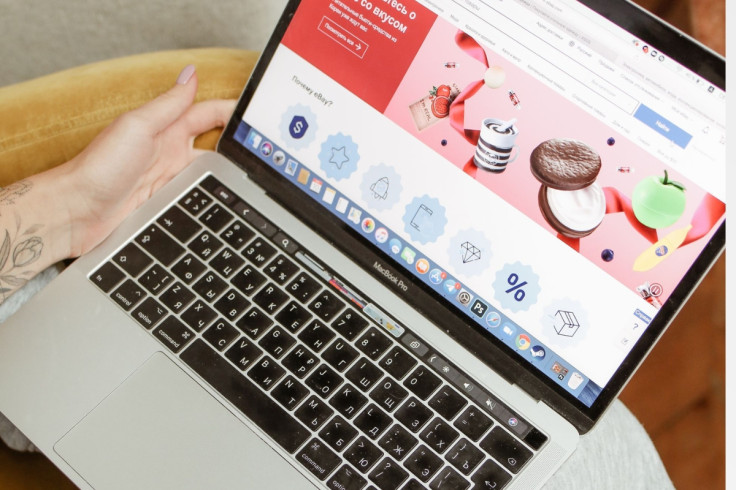
The European Union has fined Chinese online marketplace AliExpress a record €550 million (£467 million) after finding the company failed to properly prevent counterfeit, unsafe and illegal products from being sold on its platform, with some listings remaining online for weeks after being detected.
The European Commission announced the penalty on Monday following a two-year investigation under the Digital Services Act (DSA), which requires major online platforms to identify and reduce risks linked to illegal products and harmful content. Regulators said counterfeit goods, unsafe toys, dangerous cosmetics and other prohibited items continued to circulate despite AliExpress's moderation systems.
AliExpress said it would appeal the decision, describing the fine as disproportionate and arguing it had invested heavily in product safety, consumer protection and risk management. The company must submit a corrective action plan by 20 October or face possible further enforcement under the DSA.
EU Finds AliExpress Failed To Control Illegal Goods
The Commission said AliExpress failed to properly assess and reduce the risks posed by illegal products. Investigators found the company underestimated the resources needed for moderation, overestimated the effectiveness of automated detection systems and failed to ensure enough human reviewers were available to assess potentially unlawful listings.
Commission testing found illegal products were still being recommended and advertised to consumers before being removed. Regulators also said AliExpress relied on inadequate measures of moderation performance, making it difficult to assess whether removed products were being successfully prevented from returning.
The Commission said counterfeit sellers were able to bypass AliExpress's 'brand authorisation' system by miscategorising products as generic or non-branded goods. It also criticised the platform's enforcement against repeat offenders, saying some traders penalised for selling illegal products were able to remain active or return through new storefronts.
Officials said counterfeit products harmed consumers as well as legitimate businesses that invest in product design, safety testing and innovation.
Investigation Found Systemic Compliance Failures
The Commission said its findings were based on AliExpress's 2023 and 2024 risk assessments, responses to formal information requests, third-party evidence and its own investigative testing.
Henna Virkkunen, the European Commission's Executive Vice-President for Tech Sovereignty, Security and Democracy, said the failures reflected broader weaknesses in AliExpress's compliance systems.
Virkkunen said the spread of counterfeit and unsafe products online was not an unavoidable consequence of e-commerce and that platforms must systematically identify and reduce risks to protect consumers.
The Commission said AliExpress had around 193 million monthly users in the European Union last year, increasing its responsibility to manage systemic risks under the DSA.
AliExpress Appeals Record DSA Penalty
AliExpress said the Commission's decision did not reflect improvements it had made since the DSA came into force and said it had worked with regulators to strengthen its systems.
The €550 million penalty ($629 million) is the largest issued under the Digital Services Act, exceeding previous fines against platforms including Temu and X. The Commission said the amount reflected the seriousness and duration of the breaches, which continued until at least June 2025, while also taking into account the relative novelty of the legislation.
The fine remains below the DSA's maximum penalty of 6 per cent of a company's worldwide annual turnover.
AliExpress must submit its compliance plan by 20 October. The Commission will then assess whether the proposed measures address the identified failures, with further penalties possible if the company does not comply.
© Copyright IBTimes 2026. All rights reserved.