

Addicted to Online Shopping or Food Deliveries? South Koreans Are Using Fake Sites That Deliver Nothing
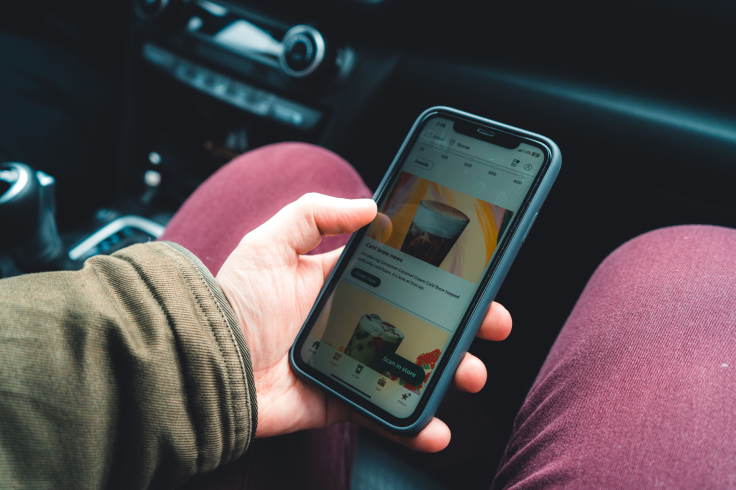
For some people, online shopping and food delivery have become more than everyday conveniences. The urge to browse, fill an online basket and wait for a delivery can become a habit that is difficult to break. In South Korea, a growing number of people are turning to fake shopping and food delivery websites that recreate the experience without charging users or delivering anything.
Known as 'dopamine sites', these platforms simulate the entire ordering process, allowing users to browse products or restaurant menus, customise purchases and even track a virtual delivery driver. The difference is that nothing is ever bought, no money changes hands and nothing arrives at the door.
The trend has gained popularity among South Korea's younger generations, particularly Gen Z, as many grapple with rising living costs and the pressure to constantly consume. Rather than giving in to impulse purchases or late-night food cravings, users can experience the anticipation of shopping without the financial consequences.
How Fake Shopping Sites Work
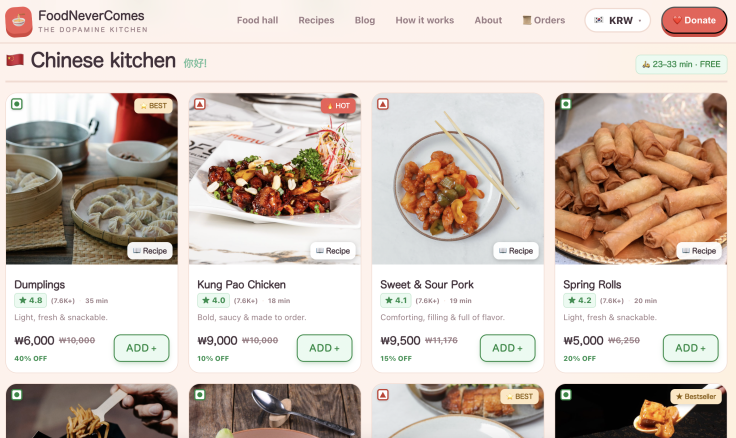
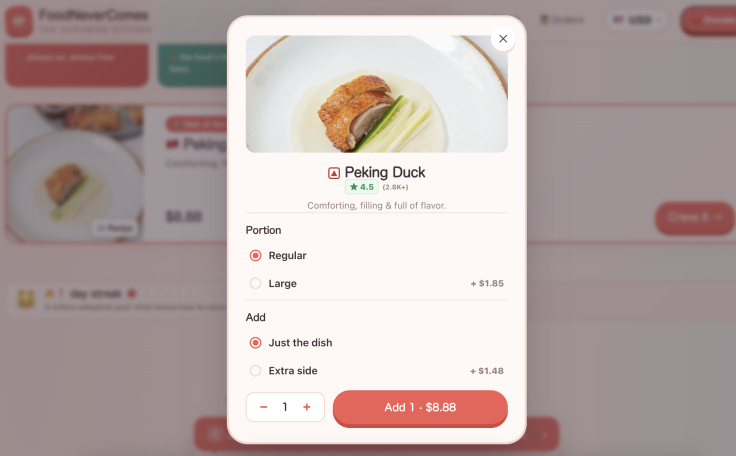
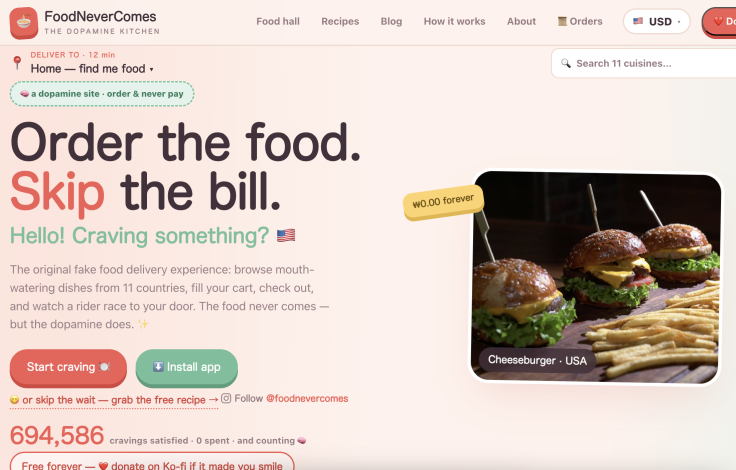
One of the best-known examples is a fake food delivery platform called FoodNeverComes. At first glance, it closely resembles a genuine food delivery app. Users can browse restaurant menus, read reviews, customise meals and track a courier on a live map after placing an order.
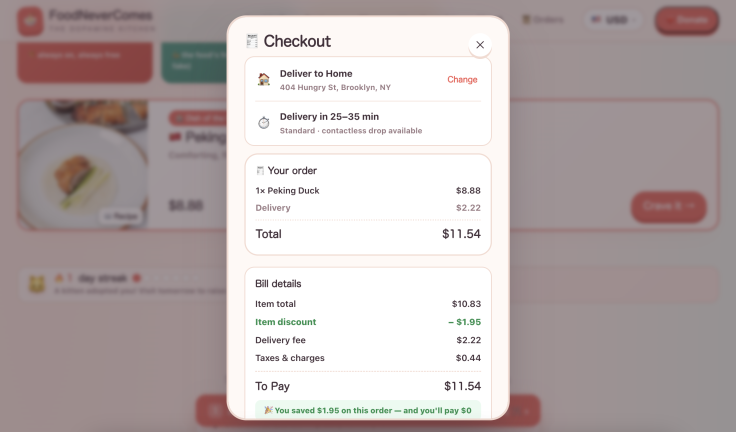
The experience feels authentic until the final stage. No payment is processed, no food is prepared and nothing is delivered. Instead, users are shown how much money they saved and how many calories they avoided by choosing not to place a real order.
Why The Brain Still Enjoys Fake Shopping
Although the concept may seem unusual, psychologists say it reflects how the brain processes rewards.
According to experts, dopamine is released not only when people receive a reward but also while anticipating one. Browsing products, comparing options and imagining a future purchase can be just as satisfying as receiving the item itself.
That anticipation helps explain why many people fill online shopping baskets without completing a purchase or spend time researching holidays they never intend to book. Dopamine sites simply recreate that feeling while removing the financial risk.
Experts also note that the platforms preserve familiar routines that many people associate with comfort or relaxation. Taking a break to browse online shops or order food has become a daily ritual for many consumers. By replicating those habits, dopamine sites allow users to satisfy the urge without spending money.
A Response to Modern Consumer Culture
The growing popularity of dopamine sites reflects wider changes in digital culture. Modern shopping and delivery apps are carefully designed to encourage engagement through personalised recommendations, targeted promotions and one-click purchasing. Over time, users can become attached not only to the products themselves but to the experience of shopping.
For some, fake shopping sites offer a practical alternative. Someone tempted to order takeaway may instead browse a simulated menu, experience the satisfaction of placing an order and then close the app without spending any money. Others use the platforms to help reduce unnecessary spending while still satisfying the desire to browse.
Can Dopamine Sites Reduce Overconsumption?
Whether dopamine sites genuinely help people build healthier habits remains unclear.
Although simulated purchases remove the financial consequences, users are still engaging in the same cycle of anticipation and reward. Researchers say longer-term studies will be needed to determine whether these platforms reduce compulsive spending or simply replace one form of digital gratification with another.
Outside South Korea, the trend has sparked widespread discussion online. Some social media users have praised the idea as a creative way to curb impulse spending, while others have compared it to window shopping or playing simulation games. Online communities focused on shopping addiction have also expressed interest in whether dopamine sites could become useful tools for people trying to manage compulsive buying habits.
Whether they become recognised wellness tools or simply another internet fad remains to be seen. For now, South Korea's fake shopping and food delivery sites highlight an intriguing aspect of consumer behaviour. Sometimes the greatest reward does not come from receiving a purchase at all, but from the anticipation of making one.
© Copyright IBTimes 2026. All rights reserved.