

Paramount Faces a $7M-a-Day Hit as UK Threatens to Stall Warner Bros Deal
The delay clause pays out once autumn arrives, but the channels in the crossfire are ones British homes already watch nightly
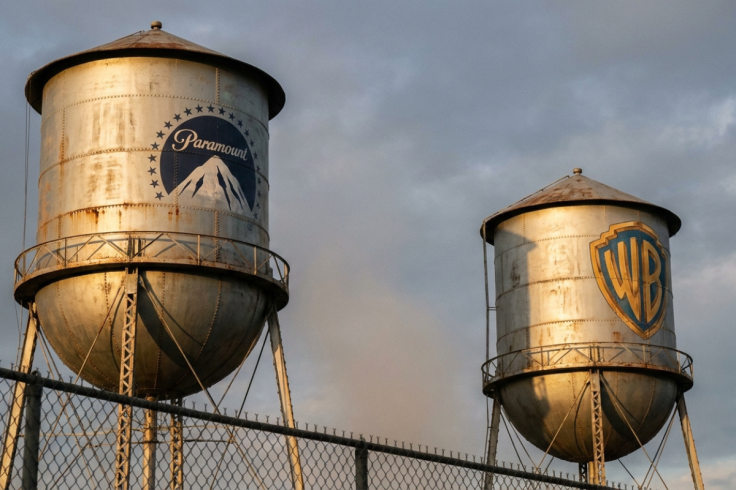
Paramount's $110B ($144B) takeover of Warner Bros. Discovery has hit a wall in London, and every day British regulators keep it open costs the buyer around $7M. Reason: A delay clause written into the deal starts paying WBD shareholders once the calendar runs past 30 September 2026.
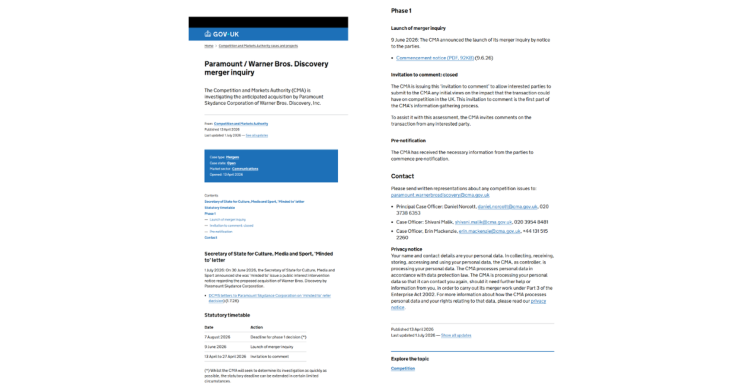
Culture Secretary Lisa Nandy said on 30 June she is 'minded to intervene', which is the phrase a UK minister uses just before pulling the legal lever, and the services in the firing line are ones millions of British households watch without thinking about who owns them.
Where the $7M a Day Comes From
The number is not media hyperbole. It sits in Paramount's own filings to the US Securities and Exchange Commission. To signal confidence that regulators would wave the deal through quickly, Paramount added a 'ticking fee' of $0.25 per WBD share for every quarter the transaction stays unclosed past the deadline. Per the company's SEC statements, that works out at roughly $650M in extra cash each quarter, paid to Warner shareholders as compensation for the wait.
Spread $650M across the 91 or so days in a quarter, and you land at about $7.1M a day. It is a penalty Paramount volunteered, betting it would never have to pay. The bet assumed a clean run. The UK has other ideas.
Why Britain Cares About an American Merger
Nandy's concern is media plurality, the principle that no single owner should hold too much sway over the news Britons read and watch. According to her statement through the Department for Culture, Media and Sport, the deal touches Channel 5, TNT Sports, Cartoon Network, Nickelodeon, and CNN International, alongside the streaming platforms Paramount+ and HBO Max.
That is a lot of screen time under one roof. Channel 5 is a public service broadcaster. TNT Sports carries Premier League and Champions League football. CNN International is a news operation. Put a US owner in charge of all of it, the worry runs, and questions follow about editorial independence and how much the combined giant could eventually charge.
Nandy was careful. 'It is important to note that I have not taken a final decision on intervention at this stage,' she wrote, giving both companies until 6 July to respond. If she does issue a formal intervention notice, media regulator Ofcom would examine the plurality question while the CMA assesses competition, and only then would she decide whether to order a deeper probe.
What It Means for the People Watching
Here is the part that reaches past the boardroom. If the deal stalls or gets picked apart, the shape of what UK viewers can stream, and eventually what they pay, is on the table. Consolidation in streaming has rarely made subscriptions cheaper. Fewer owners tend to mean firmer pricing and more bundling.
British Government Likely to Intervene in Paramount’s Proposed $110 Billion Takeover of Warner Bros. Discovery https://t.co/lu3gVWFYoU via @variety
— Clayton Davis (@ByClaytonDavis) June 30, 2026
Paramount+ content is already being folded toward HBO Max as the company streamlines. A regulator forcing conditions or blocking the tie-up outright could slow that, keep services separate or reshuffle which platform carries what. For a household juggling three or four subscriptions, that is not an abstract antitrust debate. It is which app the football lives on next season.
The clock is doing the arguing for Paramount now. Every week Britain deliberates past the autumn deadline, the meter runs. Nandy has until the responses land on 6 July to decide her next move, and the CMA's own verdict is due by 7 August. Two dates, one very expensive summer.
© Copyright IBTimes 2026. All rights reserved.