

SpaceX Slips Below Its $135 IPO Price: How Elon Musk's Company Lost Nearly $1B a Day Since Listing
SpaceX's rising capex remains an investor concern

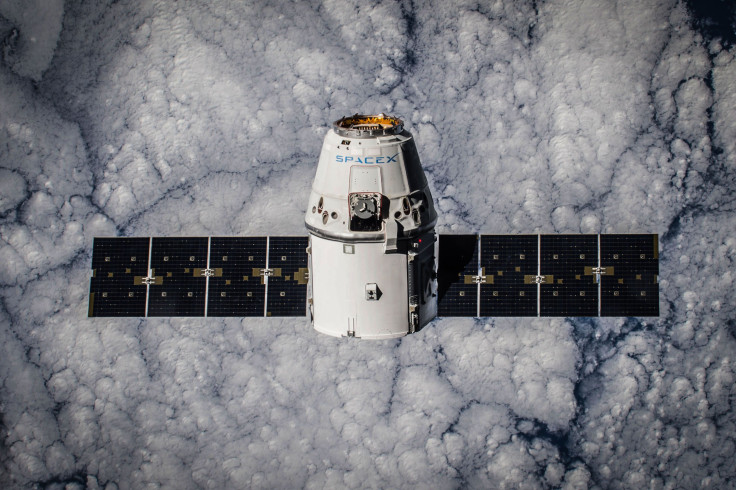
SpaceX stock fell as low as $132.15 per share on Wednesday, which is below its IPO price of $135. On 12th June, the stock made its historic debut on the Nasdaq at $150 per share before hitting a record high of $225.64 a few days later, which was followed by a sustained decline.
During its market debut, SpaceX had a market capitalisation of $2.1 trillion. Today, the rocket company's market cap stood at $1.78 trillion, implying a valuation loss of $320 billion in the past 34 days, or about $1 billion per day.
Note that a Reuters' review of 50 major US IPOs since 2010 revealed that companies that witnessed a stock price decline below their IPO price in the first two months often went on to considerably underperform in the long run.
While overvaluation might be a concern as SpaceX reportedly trades at around 49 times its estimated revenue, the stock volatility could also be attributed to the upcoming lockup expiry after SpaceX reports Q1 earnings in mid-August. The event will allow employees and some initial investors to offload 911.5 million shares of the company.
As of now, only 4% of the company's total shares are trading on Nasdaq. This, in combination with immense speculation about the company, likely created wild swings during the first month of trading.
While supply concerns around increased share availability continue to loom, many analysts continue to be heavily bullish on the stock, citing the company's robust growth from its Starlink satellite business and its government launch contracts.
'At this level, we think it is relatively safe to at least be involved from a trading perspective,' Capital Advisors chief executive Jay Hatfield recently told a media outlet. 'We will not overweight it because they do have the lockup coming.'
When all current share sale restrictions are lifted by December of this year, around 40% of SpaceX will be available on the open market, while the remaining 60%, comprising most of the shares owned by Elon Musk, will be locked until mid-2027.
Stock Price Reflects Musk's Otherworldly Promises
The ongoing selling pressure on the SpaceX stock could also reflect how investors are viewing Musk's ambitious pitch about what his company can accomplish.
Despite the immense pressure on the stock, Wall Street analysts believe that in terms of near-term potential catalysts for the stock, apart from August earnings, tonight's Starship rocket test launch could directly have an impact on the share price. This would also be the first launch test after the IPO.
SpaceX will attempt the 13th test flight of its Starship rocket, which will mark the second launch of Starship's Version 3, which is reportedly a larger, more powerful design that debuted two months ago.
The reason this launch test is crucial is because the Super Heavy booster suffered heat damage during separation on its last launch in May. The mishap drove the booster into an unexpected position, which was followed by a failed return after multiple engines didn't reignite, resulting in a total loss of the booster.
Lastly, SpaceX's capex continues to be a concern for investors. Spending stood at around $27 billion last year, and accelerated to $10 billion in Q1 2026, at a time when SpaceX is unprofitable, with a net loss of $5 billion in 2025.
Disclaimer: Our digital media content is for informational purposes only and does not constitute investment advice. Please conduct your own analysis or seek professional advice before investing. Remember, investments are subject to market risks, and past performance does not guarantee future returns.
© Copyright IBTimes 2026. All rights reserved.