

Steak 'n Shake Launches Grass-Fed Beef Burgers Nationwide in MAHA Menu Overhaul as Price Questions Linger
The chain's Chief MAHA Officer did not answer when asked if the switch will raise prices
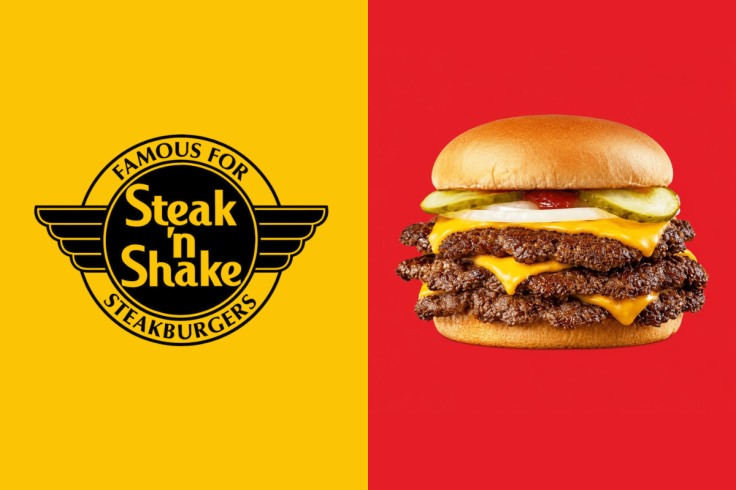
Steak 'n Shake officially switched all of its locations to 100% grass-fed, grass-finished beef on 1 June in the fast food chain's biggest ingredient overhaul. But as the company celebrates its alignment with the Make America Healthy Again movement, one question lingers. Will customers pay more?
The Cost Nobody Is Discussing
The switchover lands at a painful moment for American wallets. Ground beef hit $6.90 (£5.13) per pound in April, according to Federal Reserve data, up roughly 15% year on year. The US Department of Agriculture forecasts beef and veal prices will climb 12.1% across 2026, driven by the smallest national cattle herd in 75 years and demand that shows no sign of slowing.
Grass-fed beef typically carries a 20% to 40% retail premium over conventional grain-finished beef, according to USDA market reports. When Fox News Digital asked Michael Boes, the company's newly created Chief Make America Healthy Again Officer, whether the grass-fed switch would increase menu prices, he did not answer.
From Seed Oils to Grass-Fed Patties
The grass-fed transition is the latest in a series of changes aligning the burger chain with Health and Human Services Secretary Robert F. Kennedy Jr.'s MAHA agenda. Steak 'n Shake ditched seed oils for beef tallow in its fryers in March 2025, began offering cane sugar Coca-Cola in glass bottles last August, and removed all microwaves from franchise locations by April.
'Starting June 1, we're doing things better at Steak 'n Shake,' the company said in a mid-May social media post. 'This beef will be 100% grass-fed and grass-finished, making us the only American burger joint serving the healthiest kind of beef.'
Kennedy praised the tallow switch at the time. 'We want to do everything that we can to incentivize these companies to be transparent and to be part of this movement to make America healthier,' he said during a March 2025 visit to a Florida location.
Why Beef Prices Keep Climbing
The US cattle inventory stood at 86.2 million head as of 1 January, down 300,000 from the previous year and the lowest level since 1951, USDA data showed. Beef cows fell 1% to 27.6 million head, and the 2025 calf crop of 32.9 million was the smallest since 1941.
Persistent drought, rising feed costs, and a decade-long contraction in the cattle cycle show no sign of reversing. The American Farm Bureau Federation doesn't expect herd rebuilding to bring prices down until at least 2028.
'There is nothing to suggest any relief from high beef prices,' said Derrell Peel, professor of agricultural economics at Oklahoma State University.
The Affordability Question
Boes, a developer of the 2025-2030 Dietary Guidelines for Americans and a former senior adviser at the Office of the Assistant Secretary of Health, was appointed to the role in April. He said he tested the grass-fed product in local markets before the rollout.
'The reality is we think it tastes better,' Boes said of the switch.
Sardar Biglari, chairman and chief executive of Biglari Holdings, Steak 'n Shake's parent company, framed the overhaul differently. 'To put it simply, good-tasting food should also be good for you,' he said in a company press release.
That's a clean message. But it sidesteps the harder question millions of budget-conscious fast food customers are asking right now. If grass-fed beef costs more to produce and buy, and the company won't confirm that prices will stay the same, somebody is going to absorb that cost. For a chain that has always marketed itself as an affordable option, the silence speaks volumes.
© Copyright IBTimes 2026. All rights reserved.