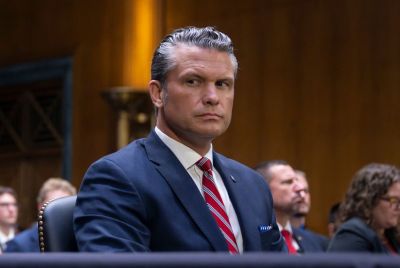
Who Controls DHS? Senator Alleges Stephen Miller Is Driving Trump's 'Draconian' Immigration Policy
While Kristi Noem holds the title, critics say Miller's influence shapes the department's policies and enforcement priorities, raising questions about accountability.

There's a spicy debate underway in Washington, D.C., about who actually calls the shots at the Department of Homeland Security. On paper, DHS is led by a Senate‑confirmed secretary. But in private corridors of power, one name keeps coming up as the real force shaping US immigration strategy: Stephen Miller, the hardline adviser whose fingerprints are all over the country's most controversial immigration initiatives.
The issue exploded into the open when Democratic Senator Andy Kim of New Jersey took the unusual step of publicly questioning whether the department's official leaders were really in charge. In blunt terms, Kim warned that Miller, an unelected White House policy aide, was effectively running the show at DHS — especially on immigration.
For anyone who cares about Stephen Miller, DHS, who he answers to, and how US immigration policy is being drafted, this is more than insider Washington gossip. It gets at the heart of how far executive power can stretch, and who really orchestrates policies that affect millions of lives around the world.
The Homeland Security adviser has largely shaped President Donald Trump’s hardline immigration policy. https://t.co/gqMHzu6W0y
— HuffPost (@HuffPost) March 17, 2026
The Man Behind the Policy: Stephen Miller's Role
Stephen Miller is not a household name for most people, but within conservative policy circles and the Trump White House, he has long been one of the most influential voices on immigration.
A veteran political adviser with a long track record shaping hardline immigration rules, Miller helped craft some of the most controversial elements of Trump's policy playbook. These include sweeping deportation strategies and regulations designed to dramatically tighten legal immigration pathways.
Trump’s replacement choice to lead DHS hired a felon, helped him acquire guns, and denied knowing about it.
— American Bridge 21st Century (@American_Bridge) March 12, 2026
Mullin will bring the same carelessness and dishonesty to the agency as Noem. Americans will be less safe with someone this reckless in charge of homeland security. pic.twitter.com/YRzHRkbZbz
Miller's power did not emerge overnight. He has been involved in immigration policymaking for years, and his influence spans from internal DHS staffing decisions to setting deportation targets and even shaping public narratives about migrants.
Critics point to episodes where Miller's direction superseded typical agency lines of authority, effectively placing him at the center of decisions normally made by Cabinet officials and career leadership.
Andy Kim's Alarm: 'The Real Problem' Isn't the Secretary
Senator Andy Kim's concern isn't about an individual cabinet member. It's about the DHS power struggle and accountability. He has made it clear that his uneasiness stems from what he sees as Miller's outsized role in driving US immigration policy, even if he doesn't hold a formal leadership title within DHS itself.
Kim's comments came during a debate over the nomination of Senator Markwayne Mullin of Oklahoma as the next Homeland Security secretary. While some bipartisan support has coalesced behind Mullin's confirmation, Kim's critique focused squarely on the fact that an adviser like Miller could override or eclipse the authority of a Senate‑confirmed official.
Put another way: Kim isn't just asking who leads DHS on paper, but who truly dictates policy, strategy, and enforcement priorities in practice.
As the architect of the Trump administration’s mass deportation efforts — Stephen Miller is the one who set the goal of 3,000 arrests per day — Miller's aggressive approach has irked not only Democrats, but Republicans as well. https://t.co/F86qxE3r7S
— Gene Bryant (@GeneBryant2) March 17, 2026
What This Means for US Immigration Policy
The broader backdrop to this controversy is the ongoing US immigration crackdown championed by the Trump administration. Since Trump's return to the White House, immigration enforcement has ramped up, with a renewed emphasis on deportations and border security. These policies have fueled protests, legal battles, and sharp political divides both inside the US and abroad.
Government officials who have spoken on the record, or anonymously to reporters, describe Miller as a relentless advocate for aggressive enforcement and strict limits on asylum and legal immigration. One former administration official described him as a consummate insider who not only survives personnel changes but continues to shape the policy agenda over time.
Whether that influence is healthy for an agency with broad mandates, from disaster response to border protection, is a key question lawmakers are now debating.
The Larger Question: What Happens When Power Isn't Visible?
The issue extends beyond a clash of personalities or routine political disputes, raising broader concerns about democratic norms, transparency, and the exercise of power within government. Federal agencies are expected to operate under the authority of elected officials and established legal frameworks, rather than informal influence from individuals without official roles.
If Senator Kim's assertion is accurate—that a figure lacking formal authority within the Department of Homeland Security is shaping significant portions of its agenda—it could prompt questions about oversight and accountability. It may also suggest that, for observers of US immigration and border policy, key decisions are influenced not only by appointed officials but also by advisers working behind the scenes.
As the Mullin confirmation process continues, scrutiny of these dynamics is expected to grow, potentially leading to a closer examination of how policy is developed in Washington, who influences it, and where ultimate decision-making authority resides.
© Copyright IBTimes 2026. All rights reserved.
- MOST POPULAR IN World