GTA 6 Boss Admits 'AI Can Be Used For Evil'—But Dismisses AI Job Loss Panic
Take-Two boss says AI will reshape game development workflows

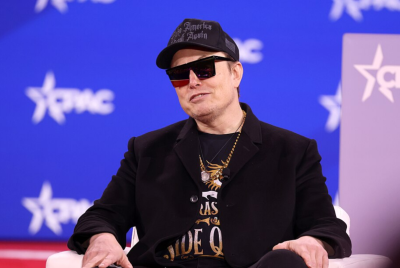
Take-Two Interactive chief executive Strauss Zelnick, the executive behind the publisher of GTA 6, has acknowledged that artificial intelligence can be used for harmful purposes, while dismissing what he described as exaggerated fears that AI will trigger widespread job losses in the gaming industry.
Speaking at Semafor's World Economy 2026 event, Zelnick said concerns over AI replacing creative workers are overstated, arguing instead that the technology will act as a productivity tool rather than a threat to employment.
AI Risks and Industry Fears
Zelnick said artificial intelligence, like other major technological advances, carries risks of misuse. However, he stressed that the broader pattern of technological change has historically delivered benefits for society and industry.
'It is absolutely true that technology can be used for evil purposes,' he said during the event. 'But the history of technology is, for better or for worse, it is going to come along anyhow. You might as well embrace it.'
His comments come amid increasing global debate about AI regulation, copyright concerns and the potential disruption of creative industries, including video game development, film production and digital art.
Take-Two CEO Pushes Back on Job Loss Claims
Zelnick rejected what he called 'doomer' narratives surrounding AI and employment, particularly the idea that generative systems will replace large numbers of creative professionals. Instead, he argued that fears of mass job losses are overstated and do not reflect how studios actually operate, as reported by GameSpot.
He pointed to the way game development has already evolved through digital tools, noting that modern production pipelines rely heavily on software to automate routine processes. According to Zelnick, AI represents an extension of this trend rather than a structural threat to employment.
'Everything we create is created in computers using tools,' he said. 'New tools are really, really exciting for our business.'
Zelnick added that Take-Two's studios, including Rockstar Games and 2K, are already exploring ways to integrate AI into their workflows to reduce time spent on repetitive tasks.
AI in Game Development and Creative Work
Zelnick suggested that AI will be used primarily to handle 'mundane' tasks within development pipelines, allowing artists and designers to focus on more complex and creative work.
He described earlier stages of game development where simple assets, such as environmental elements, had to be manually created. In contrast, modern tools already allow teams to generate assets more efficiently. He argued that AI will accelerate this shift rather than replace human creativity.
The executive also stressed that AI systems are trained on existing data and do not independently produce original creative direction. For that reason, he said human designers will remain essential in shaping new ideas and experiences.
Industry Context and Recent Take-Two Changes
Zelnick's comments come at a time when the gaming industry is increasingly experimenting with generative AI tools for asset creation, animation support and workflow automation. However, the technology remains controversial, with concerns over intellectual property, training data and potential job displacement continuing to dominate industry discussions.
Take-Two itself has recently undergone internal restructuring, including layoffs affecting teams working on applied AI initiatives. The company previously acquired Zynga, which had integrated AI-focused roles into its operations before being absorbed into the wider Take-Two structure.
Despite these changes, Zelnick maintained that the company's overall workforce continues to grow and that AI is expected to enhance productivity rather than reduce staffing levels across its studios.
Take-Two's AI Strategy and Future Outlook
Zelnick reiterated that Take-Two's long-term ambition is to remain one of the most creative and efficient companies in the gaming sector, with artificial intelligence forming part of that strategy.
He said the technology will support developers by increasing efficiency and enabling more ambitious game design. While acknowledging ongoing debate around AI's broader societal impact, he maintained that its role in game development will ultimately be positive, provided it is used responsibly within ethical and legal boundaries.
© Copyright IBTimes 2026. All rights reserved.
- Recommended For You