Pope Leo XIV Warns AI Job Losses Could Trigger Global 'Social Calamity'
Pope Leo urges responsible AI use to protect jobs and human dignity.
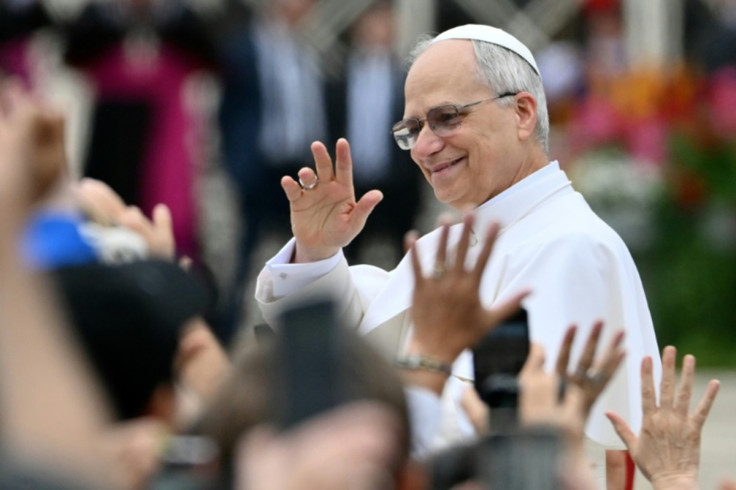
Pope Leo XIV has issued a stark warning over the growing influence of artificial intelligence, cautioning that unchecked automation could create what he described as a global 'social calamity.'
In his first official encyclical, the Pope focused heavily on the effect AI could have on workers and wider society, urging governments and major corporations to handle the technology with greater responsibility. His remarks arrive as industries around the world continue to adopt AI systems at a rapid pace, particularly across technology, finance, and manufacturing.
While supporters of AI argue that it can improve efficiency and reduce repetitive labour, concerns are increasing over the number of jobs that could disappear as companies automate more tasks. Pope Leo warned that decisions based purely on profit risk push millions of workers aside, increasing poverty and deepening economic inequality. He stressed that technological progress should not come at the expense of human welfare, adding to the growing international debate over how AI should be regulated in the years ahead.
Human Dignity Must Remain At The Centre
A major focus of Pope Leo's message was the importance of protecting human dignity as artificial intelligence becomes more deeply embedded in daily life and business operations. According to the Pope, economic systems should serve the common good rather than simply maximising financial returns for companies and investors.
He warned that replacing workers at scale could increase poverty, widen economic inequality, and lead to social instability if governments and businesses fail to act carefully. The Pope argued that people should never be viewed only as units of productivity, stressing that work also provides identity, purpose, and social connection within communities.
According to him, losing meaningful employment can affect far more than a person's income. It can also damage well-being and weaken the social fabric that keeps communities stable. He said that 'the pursuit of greater profits cannot justify choices that sacrifice jobs,' making clear that ethical limits should exist when companies decide how far to automate their operations.
The Pope's concerns reflect a broader fear shared by many policymakers and labour groups as AI tools continue to improve rapidly. Businesses across multiple industries are increasingly turning to automated systems to handle tasks once performed by employees. While this can lower costs and increase efficiency, critics argue that large-scale job displacement could leave many workers struggling to adapt.
Pope Leo warned that if decisions continue to prioritise efficiency above human livelihoods, societies could face growing division and instability. His encyclical called on leaders to ensure that technological development remains tied to moral responsibility rather than commercial gain alone.
Calls For Regulation Grow As AI Expands
Despite his concerns, Pope Leo did not reject artificial intelligence outright. Instead, he acknowledged that AI can provide important benefits when used responsibly and within ethical boundaries.
According to the Pope, AI has the potential to reduce dangerous and repetitive work, support sectors such as healthcare and education, and improve efficiency across industries. However, he stressed that these advantages must not come at the cost of widespread unemployment or social exclusion.
The encyclical placed significant emphasis on the role governments and institutions must play in managing AI's growing influence. Pope Leo called for clear regulations and policies designed to protect workers as technology continues to advance. He warned that without timely action, large numbers of people could become marginalised in a world increasingly shaped by machines and automated systems.
His remarks come as debates around AI regulation continue to intensify globally. Experts and policymakers are already discussing how to balance innovation and economic growth with job protection, workforce transition, and the ethical use of technology. Studies have suggested that automation could affect millions of jobs in the coming years, even though new forms of employment may also emerge alongside technological change.
The Pope's warning adds another influential voice to the ongoing global discussion surrounding artificial intelligence and employment. While many companies continue investing heavily in AI tools, concerns remain over whether societies are prepared for the pace of change that automation could bring.
At the centre of Pope Leo's message was the argument that technological progress should benefit society as a whole rather than a limited group of corporations or industries. He urged leaders to ensure that workers remain protected as AI adoption expands further across the global economy.
As governments, businesses, and institutions continue shaping policies around artificial intelligence, discussions about ethics, regulation, and worker protection are expected to grow even stronger. Pope Leo's encyclical underlined the need for a balanced approach, one where innovation can continue without pushing human welfare into the background.
© Copyright IBTimes 2026. All rights reserved.
- Recommended For You