

Taylor Swift Humbly Rejects The Beatles Comparison By Stephen Colbert
Taylor Swift humbly rejected Stephen Colbert's comparison to The Beatles on The Late Show.
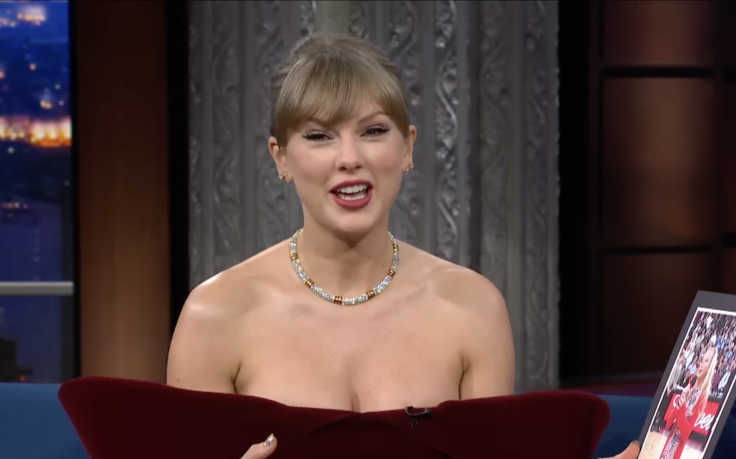
When the world's most powerful talk show host compared his guest to the biggest band in music history, the air in the CBS studio thickened with expectation. This was not mere celebrity flattery; this was an attempt to officially quantify the cultural impact of an artist who has become an economic force in her own right. The guest was the multi-billionaire pop phenomenon, Taylor Swift.
Appearing on The Late Show with Stephen Colbert, the 35-year-old singer arrived in a striking, off-the-shoulder burgundy minidress, immediately commanding the attention of the audience. Host Stephen Colbert, 61, began his high praise after welcoming Swift back, noting the significance of the moment.
'It's so lovely to have you. We've met before. You've been on the show a few years ago, but this is the first time a chance to sit down and chat,' he said. Then came the grand analogy, linking her presence to a historic cultural flashpoint: 'Hey Taylor... I imagine this is what it felt like when The Beatles came into the Ed Sullivan Theater in 1964.'
Colbert's comparison was a profound recognition of Swift's staggering global dominance, positioning her on par with the Fab Four. She could have easily accepted the compliment, yet, with a characteristic flash of humility that has come to define her carefully managed public image, Taylor Swift gently pushed the comparison aside, demonstrating a respectful reverence for the icons who came before her.
'I don't know, I feel like they had a whole thing going. You know what I mean?'
She immediately followed the gentle dismissal with immense gratitude towards the veteran host, adding, 'But that was so nice and so wonderful and you've been so supportive.' She further commended Colbert for his unwavering kindness, telling him: 'Even just like very early in my career, you would just say the nicest things.'
This gracious deference, juxtaposed with her unparalleled stardom, is precisely what endears her to her devoted fanbase, the Swifties.
The Psychological Phenomenon: Why Taylor Swift Concerts Cause Amnesia
Beyond the pleasantries and the historic comparisons, the interview offered a deeply fascinating glimpse into Taylor Swift's creative mission and the astonishing psychological impact of her work. She spoke candidly about the highly reported phenomenon of 'post-concert amnesia'—a condition where fans who attend her Eras Tour are so profoundly overwhelmed by the sensory and emotional spectacle that they end up forgetting vast sections of the performance.
Swift revealed that her focus has always been to deliver a transformative sense of escapism for her audience, highlighting the immense, almost clinical effort that goes into the production's design. This isn't just about entertainment; it's about transportation.
'My whole life, I've been trying to study like, how do you not just not just entertain people, but really transport them out of their problems, their life, their stresses,' Taylor Swift shared with Stephen.
She continued, linking this artistic intention directly to the reported neurological phenomenon:
'How do you really create a sense of escape? And when I was reading articles where it's like medical professionals are diagnosing several, you know, all these fans who came to the Eras Tour with like, post concert amnesia.'
This acknowledgement proves that Swift is fully aware of the almost overwhelming emotional and sensory event she has created. The tour is not simply a concert; it is a meticulously crafted psychological experience designed to momentarily obliterate reality for her audience.
The Power of Deference: How Taylor Swift Handled The Beatles' Hype
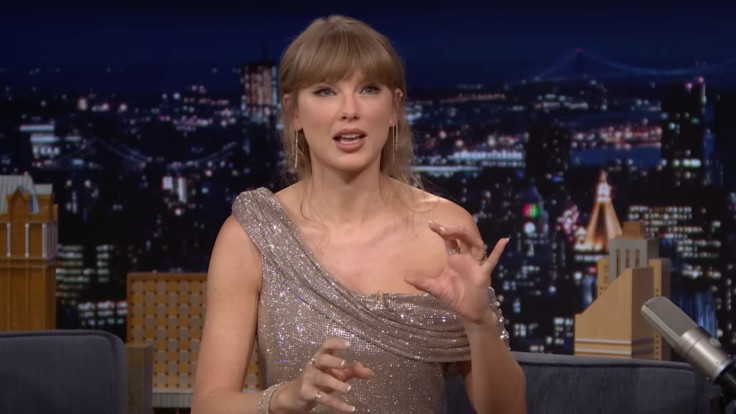
The enthusiastic reception from her audience following the interview spoke volumes. The Swifties were delighted by the thoughtful line of questioning from Colbert.
One keen fan took to X (formerly known as Twitter) to praise the interviewer and the superstar's chatty nature, writing: 'Between actually asking GOOD questions and Taylor's ability to yap and do so about whatever she wants despite what's being asked, this is the best interview she's given this year for sureee.'
Another fan expressed their gratitude towards the host, stating: 'I love you Stephen Colbert thank you for asking thoughtful questions.'
Swift's ability to remain grounded while navigating a level of fame few have ever achieved is central to her success. Her humble, music-history-conscious rejection of the title of the 'New Beatles' reinforces her image as a star who respects the journey.
In a media landscape defined by relentless self-aggrandisement, Taylor Swift's deference proves that she can be both the greatest star in the world and, crucially, the most relatable.
The humble rejection of the ultimate pop-culture comparison is revealing: it shows that despite her astronomical success and financial power, Taylor Swift remains an artist driven by a pure creative mission to move her audience. Her awareness of the 'post-concert amnesia' phenomenon proves the Eras Tour is not just a spectacle, but a near-spiritual, reality-shattering experience.
© Copyright IBTimes 2026. All rights reserved.