

'Ashita no Joe' Creator Tetsuya Chiba Dies at 87 After Final Manga Was Suspended Over Health Concerns
From Ashita no Joe to mentoring young artists, Tetsuya Chiba shaped Japanese manga for decades
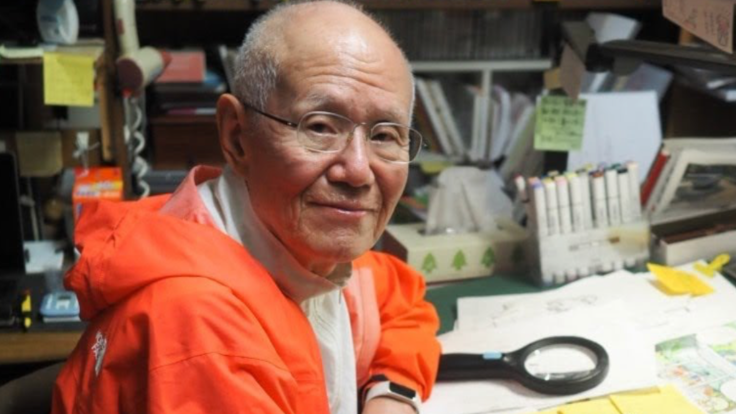
Japanese manga artist Tetsuya Chiba, co-creator of the landmark boxing series Ashita no Joe, died at a Tokyo hospital on 22 October, aged 87. Publishers Kodansha and Shogakukan announced his death on Tuesday, 27 October, bringing an end to a career that spanned seven decades.
The announcement came less than five weeks after Chiba's autobiographical manga Hinemosu Notari Nikki was placed on hiatus because of concerns about his health. The series had appeared in Shogakukan's Big Comic magazine since December 2015, recounting experiences from his childhood and working life.
Japanese newspapers The Asahi Shimbun and Nikkan Sports reported that Chiba died of myelodysplastic syndrome, a disorder affecting blood cell production. Kodansha's announcement did not specify a cause of death. The reason given for his September break does not establish whether it was connected to the reported diagnosis.
Shogakukan said his family had held a private funeral, and a separate farewell gathering was being considered.
How Tetsuya Chiba Helped Transform Sports Manga
Born in Tokyo in 1939, Chiba spent much of his early childhood in Japanese-occupied Manchuria, now part of northeastern China. After Japan's surrender in 1945, his family endured hunger and dangerous conditions before returning to Japan in 1946.
Those memories remained important to him. Long after establishing his reputation through fictional sporting heroes, he drew on his experiences of war and displacement in work that encouraged readers to consider the value of peace.
Chiba began his professional career in 1956, drawing for Japan's rental-book market, and moved into magazine publication in 1958. His early work included stories for girls, before he developed sports-focused comics for young male readers.
His most celebrated collaboration began in 1968, when Weekly Shonen Magazine serialised Ashita no Joe, illustrated by Chiba and written by Asao Takamori, the pen name of Ikki Kajiwara.
The manga followed Joe Yabuki, an orphan from Tokyo's slums whose fighting ability opened a path into professional boxing. Its portrait of hardship, ambition and defeat resonated with readers during a period of social change in postwar Japan.
The series ran until 1973 and sold about 20 million copies. Its cultural reach was illustrated in 1970, when fans attended a staged funeral for Joe's fictional rival, Toru Rikiishi, following the character's death in the story.
Tetsuya Chiba's Final Manga Returned to His Childhood
Chiba's achievements extended beyond boxing. Notari Matsutaro depicted the world of sumo wrestling, while Ashita Tenki ni Naare turned to golf. He also created Ore wa Teppei, centred on a young protagonist with a talent for kendo.
These stories helped establish sports manga as a major form of Japanese popular entertainment, while allowing Chiba to explore characters whose lives were shaped by difficult choices as well as athletic competition.
With Hinemosu Notari Nikki, he turned more directly towards his own history. The autobiographical series revisited his family's time in Manchuria, their journey back to Japan and his early struggles as an artist.
When Big Comic announced the hiatus in September, its editors said they would prioritise Chiba's recovery. He had expressed a wish to return to drawing, but no resumption date was announced.
Tetsuya Chiba's Honours and Support for New Artists
Chiba was recognised as a Person of Cultural Merit in 2014 and became a member of the Japan Art Academy in 2022. In 2024, he became the first manga artist to receive Japan's Order of Culture.
He also served in leadership roles at the Japan Cartoonists Association and was president of Bunsei University of Art from 2019 to 2022, having previously taught manga there.
In tributes issued after his death, publishers highlighted not only his work but his efforts to help younger creators. Kodansha recalled the Chiba Tetsuya Award, established in 1980 to encourage emerging manga artists, and said generations had entered the profession with his encouragement.
© Copyright IBTimes 2026. All rights reserved.