Over 1.5 Million Bags of Shredded Cheese Recalled After Metal Fragments Found
US food authorities warn consumers to check their fridges as multiple shredded cheese brands are pulled from supermarkets over possible metal contamination.
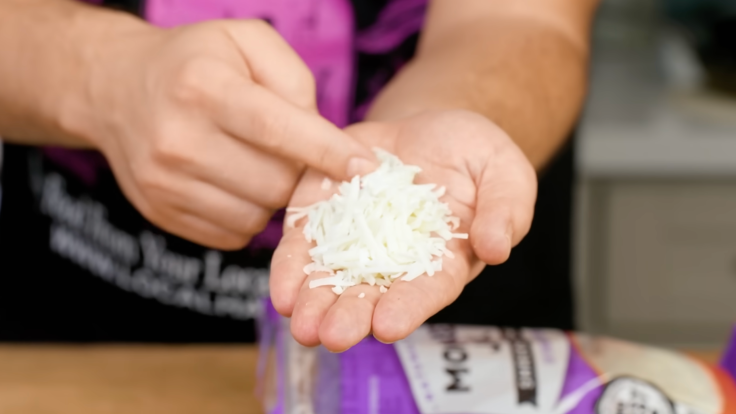
More than 1.5 million bags of shredded cheese sold across the United States have been urgently recalled after federal regulators warned the products may contain metal fragments, according to the US Food and Drug Administration (FDA).
The shredded cheeses, distributed by Great Lakes Cheese Co. Inc., were sold in dozens of private-label brands at retailers including Aldi, Walmart, Target, Publix and Sprouts, with shipments reaching 31 states and Puerto Rico.
The FDA escalated the situation to a Class II recall, meaning the products could cause temporary or medically reversible harm.
As shoppers check their fridges, food-safety experts say this recall highlights vulnerabilities in mass-produced dairy supply chains relied upon by millions of American households.
FDA Flags Possible Metal Contamination After Supplier Alert
The recall began in early October 2025 after Great Lakes Cheese Co. was alerted to possible contamination in raw materials on its production line.
FDA documentation, highlighted by Newsweek and the food-safety reporting site iwaspoisoned.com, indicates that specific batches may contain metal fragments capable of causing cuts to the mouth, throat or digestive tract, dental damage or choking.
On 1 December, the FDA escalated the matter to a Class II alert, meaning the products could cause temporary or medically reversible health effects. These include cuts to the mouth, throat, or digestive tract, dental damage, or a choking risk, according to health guidance cited by Health.
Which Cheese Products Are Involved?
According to recall lists published by Allrecipes, Simply Recipes and the FDA, affected products include shredded mozzarella, pizza blends, Italian-style mixes and cheeses containing provolone or Parmesan.
Items were sold under multiple supermarket labels, including Aldi's Happy Farms, Walmart's Great Value and Target's Good & Gather.
A distribution map shared by Southern Living shows the cheeses reached 31 US states and Puerto Rico, making this one of the largest dairy recalls in recent years.
Consumers can check UPCs, batch numbers and best-by dates listed on the FDA's recall database.
What Consumers Should Do Now
The FDA advises consumers not to eat any affected cheese and to either dispose of it immediately or return it to the retailer for a refund, as reiterated in coverage by Allrecipes and Southern Living.
Medical advice is recommended for anyone experiencing symptoms such as mouth pain, throat discomfort, dental injury or digestive issues after eating the cheese.
Allrecipes and Southern Living emphasise that, because shredded cheese is a household staple, many consumers may not be aware that they have recalled products stored at home.
Shoppers in the US who recently purchased shredded cheese, particularly from Aldi, Walmart, Target or Publix, are advised to check the brand, UPC code and date information against the FDA recall list.
Anyone who suspects they may have eaten contaminated cheese and experiences symptoms such as mouth or throat pain, difficulty swallowing, dental discomfort or digestive issues should seek medical help.
As of the latest update, the FDA has not received reports of any injuries linked to the recall.
Why Food-Safety Experts Are Alarmed
Food-safety advocates say the recall underscores structural weaknesses in large-scale dairy production. Pre-shredded cheese is often purchased without shoppers checking batch codes, increasing the likelihood that recalled bags remain in circulation.
Parents commenting on iwaspoisoned.com said they were 'shocked' that a routine grocery item could pose such a risk.
Experts quoted by Newsweek argue that contamination may have occurred at the ingredient-supply level, suggesting more rigorous metal-detection steps should be required earlier in the manufacturing process.
Retailers Respond As Investigation Continues
Great Lakes Cheese Co. voluntarily initiated the recall once notified of a possible issue, according to the FDA. Major retailers have since pulled the products from shelves and are offering refunds or replacements.
CBS News quoted FDA guidance warning that metal fragments pose 'a risk of laceration to the mouth, throat or gastrointestinal tract, or obstruction if swallowed'.
Some affected products carry best-by dates into March 2026, meaning recalled cheese may still be sitting in refrigerators and cupboards, EatingWell reports.
Although no injuries have been recorded, experts quoted by Newsweek note that swallowing foreign objects can still lead to significant harm, particularly among children, older adults or people with existing dental issues.
© Copyright IBTimes 2026. All rights reserved.
- MOST POPULAR IN Trending