TikTok Agrees to at Least $100m Payout and Ban Teen Beauty Filter as Parents Gain New Protections
The agreement includes a two-hour daily cap, overnight restrictions, private-by-default accounts and tighter controls on adult contact, while TikTok does not admit liability.
TikTok will pay Alabama at least £74 million ($100 million) and implement a series of new safety measures for teenagers in the state, in a deal struck days before the case was due to go before a jury.
The settlement was announced on Friday, September 25, 2026, by Attorney General Steve Marshall, whose office sued the company in 2025 over the alleged effects of the platform on young people's mental health.
Alabama would have been the first state to put its claims against TikTok to a jury, with the trial scheduled to begin on Monday, September 28. Under the agreement, teenage users in Alabama face a two-hour daily limit, an overnight access restriction and a blanket ban on cosmetic filters.
What Changes for Teenagers in Alabama
The time restrictions are the most visible part of the deal. The attorney general's office said TikTok must impose a two-hour daily cap, with parental controls allowing parents to cut that further, and must restrict access overnight between midnight and 6am.
The app will also interrupt itself. So-called productive pauses will break into a teenager's session after 15 minutes of continuous use, and again at 60 and 90 minutes, a mechanism aimed squarely at the endless scroll that Alabama argued was central to the platform's design.
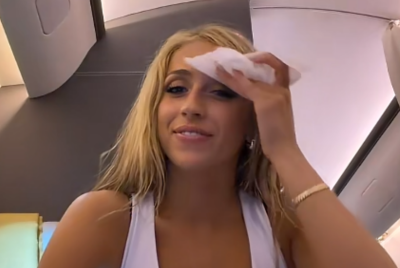
The filter ban addresses a different concern. Teen users will be barred outright from cosmetic filters, the tools that alter facial features to simulate the results of surgery or other procedures.
The algorithm itself is affected. The attorney general's office says teen accounts will receive a non-personalised feed by default, while the Associated Press described the provision as giving teenagers the option to select a non-personalised feed. The published settlement agreement governs the precise implementation.
The Safety Provisions Aimed at Adults
Several measures target contact between adults and children. The settlement requires limits on how easily adults can discover teen accounts, and obliges TikTok to notify parents about suspicious interactions between adult and teenage users.
The default posture of a teenage account changes too. Teen accounts will be private by default, and the company must strengthen its age-assurance measures to more effectively verify the ages of young users.
Parental controls and moderation are both covered. The agreement commits TikTok to more robust and user-friendly controls for parents, along with stronger content moderation protocols.
Marshall presented the settlement as a victory for Alabama families. The attorney general said his office had maintained from the outset that its primary goal was to stand up for Alabamians being harmed, and described the agreement as first in the nation for a state case against the platform.
Why TikTok Settled When It Did
The settlement came days before a trial that could have provided a rare look at the company's internal decision-making, over Alabama's allegations that TikTok designed addictive features, knew about risks to young users and misled consumers about the platform's safety.
The terms track an earlier agreement. The platform changes are broadly similar to those Meta accepted this summer to resolve similar claims brought by nearly every state, including Alabama. Meta publicly urged TikTok and YouTube to adopt the same standards, and TikTok had not responded in public until now.
Alabama's lawyers framed it as part of a larger fight. Katherine Robertson, chief counsel in the attorney general's office and the Republican nominee to succeed her boss, told the Associated Press there has been a war on childhood coming from a million different directions, and said platforms were manipulating children into addiction.
TikTok did not concede the underlying claim. A spokesperson for the TikTok USDS Joint Venture said the company's priority had always been fostering a safe and positive space where people can be creative, discover what they love and connect with their community, and described the
It is not TikTok's only recent settlement. The company agreed to a proposed £295 million ($400 million) settlement with the US Justice Department in August over a 2024 lawsuit alleging violations of federal children's privacy law, but part of the deal has since encountered a court setback.
US District Judge George H. Wu denied a request to terminate a 2019 privacy consent decree against TikTok's predecessor, Musical.ly, leaving that part of the agreement unresolved. TikTok has also settled a series of individual claims before trial, including in the social media addiction litigation heard in Los Angeles earlier this year. TikTok settled before the trial began, while the jury ultimately found Meta and YouTube liable.
The wider litigation is far from finished. States have pursued similar claims against several platforms simultaneously, and Robertson noted that parents and young people are fighting a battle against a range of companies rather than any single app, a framing that points to further cases rather than a conclusion.
The settlement gives other states pursuing similar claims a concrete example of the financial terms and product restrictions that TikTok has agreed to in one state, while the wider litigation continues.
© Copyright IBTimes 2026. All rights reserved.
- Recommended For You