Trump Asked Xi If China Wanted American Weapons, US Ambassador Claims, Despite Sales Being Banned by Law
The State Department and White House said there are no plans or offers to sell US weapons to China


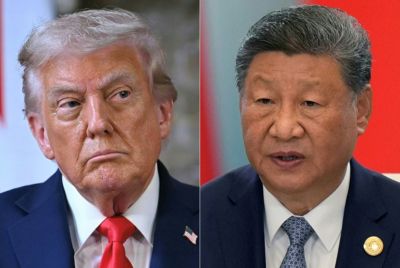
US President Donald Trump asked Chinese President Xi Jinping whether China wanted to buy American weapons during a conversation between the two leaders, US Ambassador to China David Perdue said in a televised interview on 27 September. Perdue made the remark while discussing Trump's position on US arms sales to Taiwan and broader tensions between Washington and Beijing.
Perdue did not say when Trump made the comment or how Xi responded. The White House and State Department later clarified that there is no plan or offer to sell US weapons to China.
Trump Raised the Question
Speaking to Fox News, Perdue said Trump regularly notes that the United States sells arms to countries around the world. He said Trump went further during a conversation with Xi. 'President Trump continues to say, hey, we sell arms to other people around the world. He actually asked President Xi, would he like to buy some at one point,' Perdue said.
Perdue provided no further details, leaving it unclear whether Xi responded or the remark led to any substantive discussion. The State Department said US law prohibits arms sales to China, and both it and the White House said there was no offer or plan to sell weapons to Beijing.
Taiwan Remains Central
Perdue's comments came as he discussed US weapons sales to Taiwan, a longstanding source of tension between Washington and Beijing. Taiwan is awaiting a proposed US weapons package worth about $14 billion. The package has been delayed, while Trump and Xi have continued discussing American arms sales to the island. Perdue has said there has been no change in Trump's Taiwan policy. He also said the two leaders continue to discuss future US weapons sales to Taiwan.
Beijing opposes American arms sales to Taiwan and has repeatedly urged Washington to stop providing military equipment to the island. During Xi's Washington visit, Chinese state media reported that he urged Trump to oppose Taiwanese independence.
Washington Clarifies Its Position
The reported exchange has attracted attention because the United States and China remain major strategic rivals, while Washington continues to support Taiwan's ability to defend itself. However, the available public information does not indicate that a US-China arms deal is being considered. The State Department has explicitly said there is no offer or plan to sell weapons to China.
China has not publicly confirmed whether Xi was asked about buying American weapons or disclosed how he responded. Perdue's comments therefore establish that Trump raised the possibility during a conversation with Xi, but they do not establish that the United States made a formal sales proposal.
Iran Also Featured In Talks
Perdue also said Trump raised China's relationship with Iran during discussions with Xi. According to the ambassador, Xi said changes had been made and that Beijing had reviewed its policy. The disclosure about weapons came while Perdue was discussing the administration's approach to Taiwan. It remains separate from any confirmed US arms deal with China.
US-China Tensions Extend Beyond Taiwan
The reported exchange over weapons came against a wider backdrop of disagreements between Washington and Beijing. Taiwan remains one of the most sensitive issues, but the two countries are also managing disputes involving trade, technology, and China's relationship with countries such as Iran.
Trump and Xi have continued to use direct discussions to address these issues, including areas where their governments have competing interests. Perdue's comments offer a glimpse into the range of subjects being raised between the two leaders, but they do not show that the reported weapons question resulted in a change in US policy towards China.
The remarks also come as Washington maintains restrictions on military cooperation with Beijing while continuing defence ties with Taiwan. This leaves the reported question to Xi as an unusual element of the leaders' discussions, rather than evidence of a new US-China defence arrangement.
© Copyright IBTimes 2026. All rights reserved.
- Recommended For You