

'Do You Still Love Me?': Trump Pleads for Cash in Cringeworthy Valentine's Day 'Love Letter' to Supporters
Critics condemn Trump's use of Valentine's themes in political fundraising
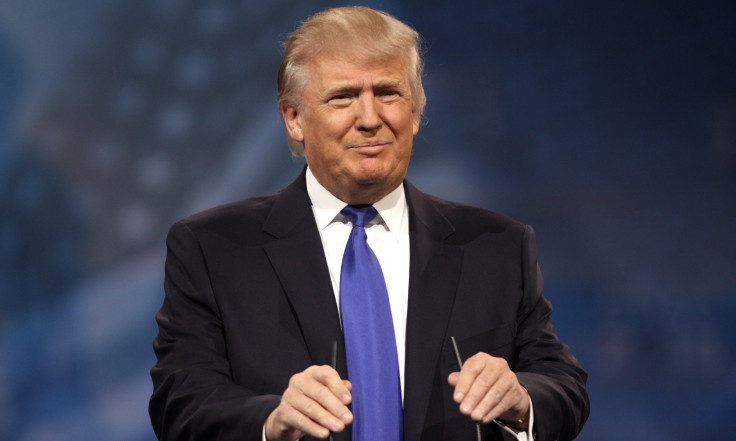
Donald Trump's Valentine's Day fundraising email, headlined 'Do You Still Love Me?', has ignited outrage and bewilderment across the American political spectrum as critics from both sides of the aisle condemn a solicitation that blends romantic language with relentless fundraising tactics.
The message, sent on 4 February 2026 from the official Trump campaign account, used the language of affection and nostalgia to re-engage supporters while directing them to donate through a poll link that funnels contributions to the GOP's WinRed small-dollar platform. Critics say the campaign misappropriated Valentine's themes to pressure emotionally vulnerable supporters into opening their wallets.
The Mechanics of Trump's Valentine Appeal
The email was dispatched from 'Secret Admirer Donald J. Trump' and began with phrases resembling the opening of a love letter, such as 'I placed a special LOVE LETTER in the mailbox! Was it stolen? Because I haven't heard from you.'
Recipients saw subject lines styled to evoke sentimentality, such as 'I'm asking with an open heart! Will you show that you STILL love me?' The in-body text blended affectionate language with political rallying cries in a way that seemed calculated to tug at heartstrings rather than engage with substantive policy discussions.
Supporters on receipt of the email were asked to 'take my poll' within a 'FINAL 12 HOURS' window. The link redirected readers to a page asking policy preference questions that had to be answered before they could contribute financially. The poll itself was designed not only to harvest contributions but also to reaffirm donor loyalty by compelling respondents to choose preferred policy achievements from a list designed to flatter the political base.
This approach marked a departure from traditional political solicitations, which typically emphasise policy priorities, upcoming primaries, or electoral strategy. Instead, Trump's messaging leaned heavily into relational language, combining personal attachment metaphors with repeated calls for monetary support in a way that blurred the boundaries between political engagement and personal relationships.

Public Reaction and Political Fallout
Reactions to the email on social media and public forums were immediate and sharply critical. Political observers characterised the email's romantic tone as inappropriate for serious political communication, particularly from a former president with a divisive public image.
Some commentators described the email as resembling a plea from a 'clingy ex', while others pointed out that the emotional language seemed ill-suited to the high stakes of national political debate. The language of intimate attachment in a donation context raised uncomfortable questions about the tactics being used to maintain supporter loyalty and extract financial contributions.
Conservative pundits who generally support Trump's broader policy agenda found themselves diverging in their assessments, with some dismissing the emotional phrasing as harmless enthusiasm and others actively distancing themselves from the approach.
Observers on forums such as Reddit highlighted how often similar fundraising emails appear in inboxes, noting that Trump's email strategies frequently deploy emotive language and personal appeals to strengthen donor engagement. Although such posts are user observations rather than official records, they reflect broader public awareness of these tactics across multiple cycles.
New email sent out from President Trump:
— Owen Shroyer (@OwenShroyer1776) February 2, 2026
"Will you show that you STILL love me" pic.twitter.com/KU9etnsI9q
Fundraising in the Age of Emotional Appeals
Trump's Valentine's email reflects a broader evolution in political fundraising strategies that increasingly harness emotion, urgency, and personal language. Trump's political machine, already named WinRed 'Fundraiser of the Year' in 2025, has sent millions of similar appeals crafted to deepen perceived loyalty and extract cash from individual donors.
Traditional campaign emails outline policy goals, cite contribution deadlines, or highlight key legislative battles. Trump's Valentine's message instead foregrounded love, loyalty, and personal affection as primary incentives for giving. This shift treats supporters not as citizens engaged in democratic participation, but as individuals whose emotional attachment can be leveraged for financial support.
Political fundraising experts say these techniques reflect a trend in digital campaigning where emotional triggers replace substantive engagement. Critics argue this transformation prioritises emotional resonance over substantive issues, particularly visible in digital fundraising where psychological triggers drive rapid contributions.
The Broader Political And Cultural Implications
Beyond its fundraising mechanics, the email raises questions about how modern campaigns craft narratives in an increasingly digital age. Trump's use of Valentine's Day language tapped into a cultural moment traditionally associated with personal relationships rather than political mobilisation, prompting reflection on whether emotionally charged messages ultimately undermine or enhance civic discourse.
Supporters counter that campaigns must use every available tool to compete, and that personal messaging resonates with voters highly connected to a leader's persona. Trump's Valentine's email can be seen as a calculated attempt to strengthen bonds with his base ahead of the 2026 midterms and a potential 2028 campaign.
As digital campaigns continue innovating, the line between personal and political messaging blurs, prompting debate over appropriate norms. Trump's Valentine's Day appeal, whether strategic ingenuity or tone-deaf solicitation, has added a provocative chapter to American political fundraising.
© Copyright IBTimes 2026. All rights reserved.