

Twitch Blocked for Under-16s in Australia — Experts Warn of Mental and Social Harm
This move forces platforms to verify age to protect minors from mental and social harm

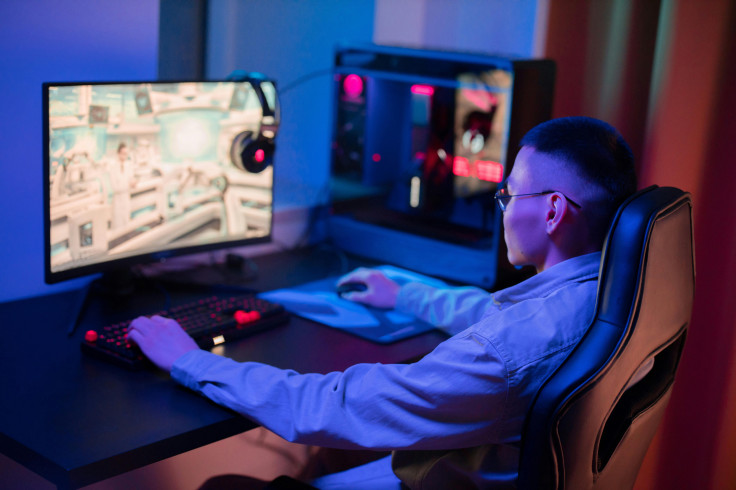
Australia has officially blocked access to the popular streaming platform Twitch for users under 16. This decisive action comes amidst growing concern over the platform's potential negative influence on young people.
As this restriction takes effect, child safety experts are issuing strong warnings about the potential for both mental and social harm that prolonged exposure to such unfiltered content can cause.
New Age Rules for Australian Streamers
Twitch is implementing a major policy shift affecting its younger audience in Australia. From this point forward, no person under the age of sixteen will be able to set up a new account on the service, and all existing accounts belonging to users in this age bracket will be shut down on 9 January 2026.
This policy forms part of Australia's recent online safety legislation, specifically designed to safeguard young people across streaming and social media platforms. The national government's priority is ensuring minors remain secure when using the internet, meaning digital services, including Twitch, must now implement measures to verify users' ages before granting them full access.
Impact on Existing Young Users
For teenagers who already utilise the streaming site, this adjustment will have a significant effect. Any person under 16 years old will lose their capacity to engage in activities such as broadcasting, chatting, tracking channels, or managing their subscriptions.
📵 Social media is now banned for under-16s in Australia. At Bialik, Year 9s explored what that really means with Steve Villani from Evolve Education. More than rules, it was about mindset, balance and digital wellbeing. This is a chance to grow stronger offline. pic.twitter.com/E07zfrowqY
— Bialik College (@BialikCollege) December 12, 2025
On the positive side, they retain the option to view Twitch streams without signing in, ensuring they are not totally prevented from accessing content.
Methods for Age Confirmation
To meet legal requirements, platforms can use various methods to verify a user's age, such as examining photographic identification, using facial recognition technology for age assessment, or issuing electronic identity tokens. Concurrently, businesses are being prompted to offer alternatives that respect user privacy, thereby preventing young people from disclosing excessive personal details.
A Temporary Pause on Broadcasting
For Australian teenagers currently operating streams, this decision means they will temporarily lose access to their channels, follower counts, and the capacity to earn income until they reach the age of sixteen and successfully complete the service's age verification procedure.
Although this may understandably cause frustration, the restriction is not permanent. Once these users meet the required age, they will be permitted to resume streaming and regain full control of their accounts.
Why the Government Intervened
This new regulation is part of a broader countrywide initiative to safeguard young people online. Legislators have voiced worries concerning online harassment, psychological well-being, and the stress that digital services can exert on people under the age of eighteen.
Today, we have officially banned social media accounts for under 16s. pic.twitter.com/9Ap5mZfNoq
— Anthony Albanese (@AlboMP) December 9, 2025
Research has indicated that adolescents face an elevated likelihood of experiencing worry, low mood, and dissatisfaction with their physical appearance when they use internet platforms without proper controls.
Scope of the Global-First Restrictions
Twitch is not the only service affected; other social networking services are also adapting, though the specific rules vary by service. Discord, for instance, is classified as a message application and may therefore avoid the same set of limitations.
>Discord and Roblox exempt
— Alula (@__alula) December 10, 2025
If this is not the most obvious proof that the ID verification and other surveillance bullshit pushed worldwide isn't about protecting children then I don't know if there's any hope https://t.co/yuWEgNOi6O
This world-first prohibition encompasses ten online platforms, which are listed below:
- Kick
- Snapchat
- TikTok
- Threads
- Twitch
- X
- YouTube
Balancing Access and Safety
Ultimately, this significant regulatory move underscores the global tension between open digital access and child protection in the modern era. While the Australian government prioritises the psychological safety of its youth, the challenge now lies with these powerful platforms to implement these verification systems effectively, balancing user privacy with their new legal duty to shield minors from harm.
© Copyright IBTimes 2026. All rights reserved.