

Building Experts Warn Traditional British Homes Face Devastating Roof Fires as UK Wildfire Risks Rise
Firefighters warn of increased wildfire threat to British homes
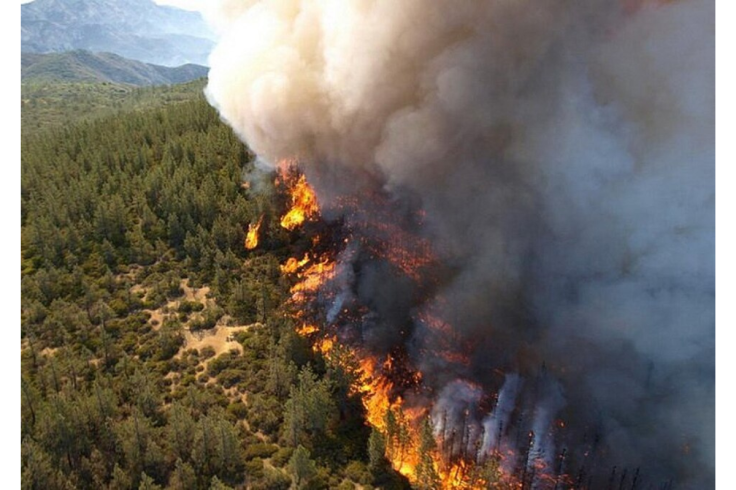
Record-breaking UK wildfires are now leaping from fields into streets and igniting roofs in minutes, building experts warn, as traditional British homes prove acutely vulnerable to fast‑spreading blazes driven by unprecedented heatwaves and prolonged drought.
Firefighters and safety officers say many standard house designs, built long before today's extreme weather, leave roof structures exposed to airborne embers and intense heat, creating a growing threat to residential infrastructure as the climate warms.
Building safety experts, structural engineers and fire services warn that Britain's standard house designs, many of which were built decades or centuries before global warming and extreme weather conditions, contain key structural vulnerabilities that leave roofs exposed to airborne embers during wildfires.
Structural Vulnerabilities of Traditional Roofing
Traditional UK domestic roof architecture relies heavily on timber‑framed pitched roof trusses clad with clay or slate tiles, often underlaid with acrylic or plastic membranes. While designed to withstand cold winters, wind and rain, these models were never engineered to resist intense thermal radiation or ember attack from nearby wildfires.
Building control specialists point to several failure points common in classic housing designs:
Soffit and eaves gaps: Traditional timber boards and open vents provide a pathway for windblown embers to enter the attic space. Once ignited, dry timber joists, cardboard storage boxes and fibreglass insulation can turn roof cavities into enclosed fire boxes.
Degraded mortar and ridge caps: Ageing mortar along roof ridges, verges and valleys often develops hairline cracks. Embers drifting from distant grass or woodland fires can lodge in these micro‑gaps and ignite exposed timber battens underneath the slate or tile covering.
Combustible timber tile battens: Even when exterior slate or concrete roof tiles remain non‑combustible, the supporting wooden tile battens underneath may catch fire if intense heat penetrates joints or if embers bypass damaged tiles.
Plastic gutters and fascias: Modern uPVC gutters filled with dried leaf debris can act as continuous fuel lines along the roof edge, carrying ignition up under the lowest row of tiles.
Wildfire Front Line Moves to the Urban Fringe
The National Fire Chiefs Council (NFCC) has emphasised that climate‑driven prolonged dry spells are shifting wildfire risks directly onto the urban fringe.
Chief Fire Officer Simon Tuhill described the Stourbridge incident as one of the most significant in West Midlands Fire Service history, noting how 'tinder‑dry' vegetation allowed grass fires to rapidly transition into residential structural fires.
The warning follows wildland‑urban interface blazes across the country, including a severe wildfire in Stourbridge, West Midlands.
Ignited amid record‑breaking temperatures of 38.1°C, the fast‑moving grass fire spread across open land into suburban neighbourhoods, affecting several homes along Ounty John Lane and Racecourse Lane within hours.
Emergency responders, including over 60 firefighters operating in extreme heat, worked to protect residential streets as wind‑blown embers sparked roof fires across housing blocks.
How Homeowners Can Reduce Roof Fire Risks
Fire safety professionals say homeowners should adapt their approach to property maintenance as dry periods become longer and hotter.
Suggested mitigation measures include clearing dry leaves and debris from roof valleys and gutters, retrofitting fine mesh screens over loft ventilation openings, replacing rotting timber fascia with non‑combustible materials and maintaining a clear buffer zone free of dry vegetation around the immediate perimeter of the house.
With drought conditions affecting large areas of the UK and fire services under increased pressure, structural resilience at roof level is becoming an important line of defence against Britain's evolving heatwave risk.
© Copyright IBTimes 2026. All rights reserved.